
Plants
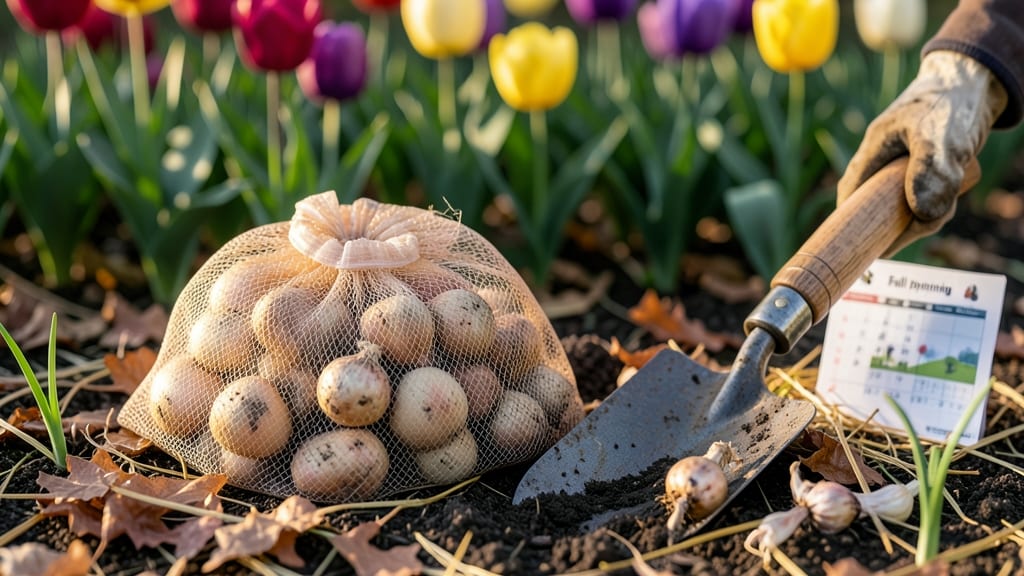
Planting tulips in Tennessee at the wrong time can mean frost-nipped dreams before they even bloom. The perfect window—October through December—is your golden ticket to show-stopping spring displays, but timing varies by zone and microclimate.
I’ve seen firsthand how a single week too early or late can turn vibrant 🌷 tulips into sad, frost-bitten stubs. Whether you’re in Nashville’s urban heat or the cooler valleys of East Tennessee, knowing your zone (6a-7b) is the key to success.
In this guide, I’ll break down the exact months for each Tennessee region, plus soil prep secrets and frost-proofing tips. Skip the guesswork and learn how to plant tulips so they’ll reward you with bold blooms come April.
Ready to transform your yard into a springtime spectacle? Let’s get those bulbs in the ground the right way.
Tennessee tulip planting calendar: exact months by USDA hardiness zones 6-8
Tennessee’s climate spans USDA Zones 6-8, meaning your tulip planting window varies from Northeast Tennessee’s cooler Zone 6 to West Tennessee’s milder Zone 8. The golden rule? Plant bulbs 4-6 weeks before the ground freezes—this ensures roots establish before winter dormancy.
For most of Tennessee, that’s October through December, but timing shifts by just a few weeks depending on your exact location.
In Zone 6 (Northeast TN, including Knoxville and Johnson City), the ground typically freezes by mid-November, so aim to plant by late October. Zone 7 (Middle TN, including Nashville and Chattanooga) has a slightly later freeze—usually early December, so you can plant through November.
Meanwhile, Zone 8 (West/South TN, including Memphis and Jackson) often avoids hard freezes until January, giving you flexibility until late December.
Here’s the exact planting schedule tailored to Tennessee’s microclimates, including soil temperature thresholds and frost risk analysis:
| USDA Zone | Tulip Varieties | Planting Window | Soil Temp Threshold (°F) | Frost Risk |
|---|---|---|---|---|
| Zone 6 (Northeast TN) | Darwin Hybrids, Fosteriana | Late October–Early November | 50–60°F | High (first frost: Nov 15–Dec 1) |
| Zone 7 (Middle TN) | Parrot, Fringed, Double Late | October–Mid-November | 55–65°F | Moderate (first frost: Nov 20–Dec 10) |
| Zone 8 (West/South TN) | Species Tulips, Greigii | November–Late December | 60–70°F | Low (first frost: Dec 15–Jan 10) |
🌱 Pro Tip: Use a soil thermometer to confirm temps—bulbs need 40–50°F soil for root growth.
Why fall planting? Tulips need chilling time (6–8 weeks below 40°F) to bloom. Planting in spring skips this critical step, resulting in no flowers—just foliage. Even if you’re in Zone 8, don’t delay past January, or your bulbs may rot before blooming.
For Nashville gardeners (Zone 7a), the sweet spot is early November. Check the National Weather Service’s frost predictions for your county—historically, Nashville’s last frost hovers around April 15, but early freezes in October can sneak up.
If you’re in East Tennessee’s mountains (Zone 6b), err on the earlier side—late October—to beat the first frost.
Soil preparation is just as critical as timing. Amend your beds with compost or aged manure to improve drainage—waterlogged bulbs rot. Work bulbs into loose, well-draining soil at 6–8 inches deep, with 4–6 inches between bulbs.
This spacing prevents fungal diseases and mimics their natural woodland understory habitat.
One common mistake? Planting too shallowly in sandy soils (like those in West Tennesseeorganic mulch (3–4 inches) after planting to insulate bulbs and retain moisture. In Zone 6, this mulch layer can mean the difference between frost-heaved bulbs and perfectly established roots.
If you’re unsure about your exact zone, use the USDA Plant Hardiness Zone Map and cross-reference with your county’s average first frost date. For example, Memphis (Zone 8a) can push planting to mid-December, while Bristol (Zone 6b) should wrap up by November 1.
Timing isn’t just about the calendar—it’s about soil temperature, elevation, and microclimates.
Ready to plant? Grab your tulip bulbs, mark your calendar for October–December, and prepare your soil. With this schedule, you’ll enjoy bold, vibrant blooms in April–May—just in time for Tennessee’s mild spring weather. 🌷
5 Critical factors that determine your perfect tulip planting date in Tennessee
Timing your tulip planting isn’t just about the calendar—it’s about understanding your local microclimate, soil temperatures, and even the specific tulip varieties you’re growing. In Tennessee, where zones 6a-7b create unique conditions, these five factors will help you pinpoint the ideal moment for your bulbs.
First, soil temperature is non-negotiable. Tulip bulbs need the ground to be below 60°F (15°C) but not frozen. In Nashville (Zone 7a), this typically happens by mid-October, while in Knoxville (Zone 6b), it’s often late October. Use a soil thermometer to confirm—don’t guess!
- Soil Temperature: Below 60°F (15°C) but above freezing
- First Frost Date: Mid-November (Zone 6) to Late November (Zone 7)
- Bulb Hardiness: Zone 3-8 varieties thrive in TN, but Darwin Hybrids need extra care
- Microclimate: Urban heat islands (Nashville) vs. mountain valleys (East TN)
- Planting Depth: 6-8 inches deep for frost protection
Next, frost dates dictate your deadline. Tennessee’s first frost typically arrives between mid-November (Zone 6) and late November (Zone 7). Aim to plant 4-6 weeks before frost—this means early October for Zone 6 and late October for Zone 7.
Pro tip: Check the 2024 TN frost averages from your local Cooperative Extension office for precision.
Your tulip variety also plays a role. Darwin Hybrids and Parrot Tulips are hardier and can handle slightly later planting, while fragile species tulips need the earliest window. If you’re unsure, stick to proven TN-friendly varieties like ‘Apeldoorn’ or ‘Queen of Night’—they’re frost-resistant and reliable.
Don’t overlook microclimates. A south-facing slope in Chattanooga (Zone 7b) warms faster than a north-facing valley in Johnson City (Zone 6a). Urban areas like Nashville can stay 5-10°F warmer than rural spots, delaying frost.
Use this to your advantage: plant 1-2 weeks later in heat islands if soil temps are ideal.
Finally, planting depth acts as your first line of frost defense. Bury bulbs 6-8 inches deep—this insulates them from freeze-thaw cycles. In Zone 6, add a 2-inch layer of mulch (straw or leaves) after planting to trap heat.
For containers, use black plastic pots to absorb sunlight and delay frost damage.
Master these factors, and your tulips will bloom like clockwork—no frost mishaps, just vibrant 🌷 perfection by spring.