
Plants
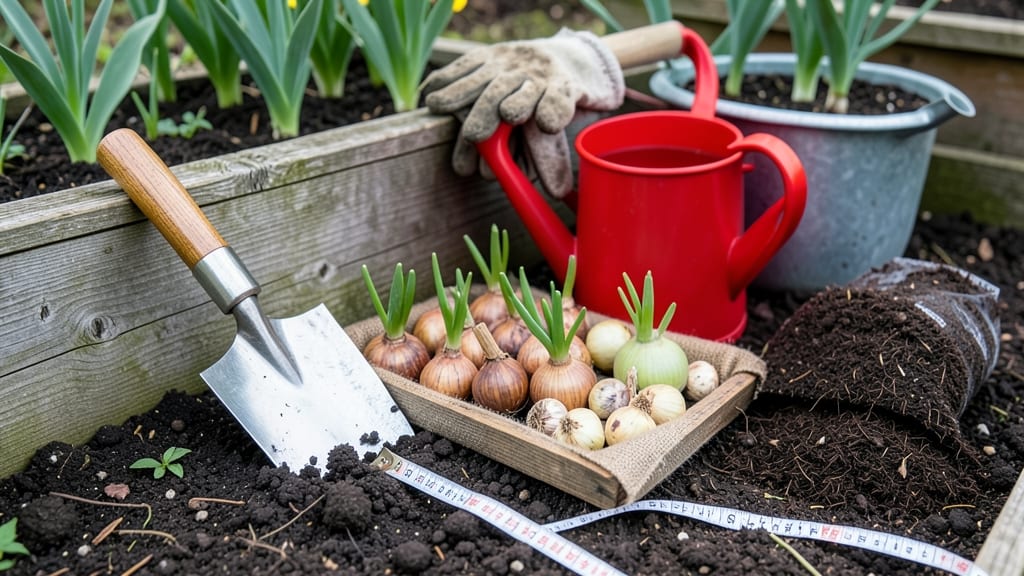
Timing your bulb planting in Oklahoma could mean the difference between a spring garden bursting with color and a sad, wasted investment.
With Oklahoma’s 6a-7b climate, getting those 🌷 roots in the ground at the right moment is everything—too early, and they’ll rot; too late, and they might never bloom.
Most gardeners know fall is the prime window, but did you know September through November is actually the sweet spot for most varieties? That’s when soil temps drop below 60°F, signaling bulbs it’s time to settle in for winter.
But here’s the catch: not all bulbs follow the same schedule—some, like dahlias, prefer a later start, while others, like crocus, thrive with an early planting.
I’ve planted bulbs in Oklahoma for years, and I can tell you: skipping the prep work is a fast track to disappointment.
We’ll cover exactly which bulbs to plant when, how deep to tuck them in, and the 3 critical mistakes that send Oklahoma gardeners back to the store year after year. Let’s make sure your garden gets the showstopping display it deserves.
Whether you’re a first-time planter or a seasoned pro, this guide will give you the confidence to plant with precision. No more guesswork—just zero bolt risk and a spring full of blooms. Ready to dig in?
Oklahoma bulb planting calendar: exact months by variety for best results
Oklahoma’s hardiness zones 6a-7b mean your bulb planting window is short but sweet—just 6-8 weeks before the first hard frost (typically mid-November). Plant too early, and bulbs may sprout prematurely and rot in warm soil.
Plant too late, and they won’t establish roots before winter. The key? Soil temperatures below 60°F and consistent moisture.
Most spring-blooming bulbs—like tulips, daffodils, and hyacinths—need to be in the ground by October 15 in northern Oklahoma (zone 6a) and by November 1 in southern Oklahoma (zone 7b). Summer-blooming bulbs, such as dahlias and cannas, have a slightly later window, often March-April after the last frost.
Here’s your Oklahoma bulb planting timeline, broken down by variety and zone to ensure zero bolting or frost damage:
| Bulb Type | Best Planting Month | Depth (inches) | Spacing (inches) | Notes for Oklahoma |
|---|---|---|---|---|
| Tulips | September-October | 6-8 | 4-6 | Plant early to avoid squirrel theft; mulch heavily in winter. |
| Daffodils | October-November | 6-8 | 6-8 | Deer-resistant; ideal for low-maintenance beds. |
| Hyacinths | September-October | 6-8 | 4-6 | Fragrant but short-lived; replant every 3-4 years. |
| Dahlias | March-April | 4-6 | 12-18 | Tender bulbs; dig up and store indoors after frost. |
| Crocus | September-October | 3-4 | 3-4 | One of the first bloomers; great for early spring color. |
For northern Oklahoma (zone 6a), aim to plant by October 1 to give bulbs time to root before winter.
In southern Oklahoma (zone 7b), you can extend planting until November 15, but avoid planting after the first frost. Soil temperature is your best guide—use a soil thermometer to confirm temps are below 60°F before planting.
Pro tip: Pre-chill bulbs for 4-6 weeks in the fridge if you’re planting outside the ideal window. This mimics winter conditions and encourages blooming. Store bulbs in a cool, dark place (like a garage) until planting day.
If you’re in Oklahoma City or Tulsa, check your local USDA zone map—microclimates can shift planting dates by 1-2 weeks. For example, areas near Lake Thunderbird may experience slightly later frosts, giving you an extra week to plant.
After planting, mulch with 2-3 inches of straw or leaves to insulate bulbs from temperature swings. This is especially critical in Oklahoma’s unpredictable winters, where warm spells can trick bulbs into sprouting too early. Remove mulch in late winter to allow sunlight to reach emerging shoots.
For container gardening, use well-draining pots and plant bulbs in early September to avoid overheating. Place containers in a shady spot until soil temps drop below 60°F, then move them to full sun.
Remember: Bulbs planted in Oklahoma’s heavy clay soil need extra drainage. Amend beds with compost or sand to prevent rot. If your soil stays soggy, plant bulbs on mounds or raised beds for best results.
How to avoid common bulb planting mistakes in Oklahoma’s climate
Planting bulbs in Oklahoma isn’t just about picking the right month—it’s about avoiding the 3 deadly mistakes that turn spring dreams into summer disappointments. I’ve seen gardeners in my neighborhood rush their planting, only to watch their bulbs rot in soggy soil or bolt prematurely.
The key? Understanding Oklahoma’s unique climate challenges, like our heavy clay soil and unpredictable frost dates.
First, let’s tackle the biggest culprit: planting too early or too late. In Oklahoma’s zones 6a-7b, bulbs need 6-8 weeks before the first hard frost (usually mid-November) to establish roots.
Planting in August might seem early, but warm soil can trigger sprouting too soon, leaving them vulnerable to frost damage. Conversely, waiting until December risks bulbs not rooting deeply enough before winter sets in.
Here’s the golden rule: Soil temperature must be below 60°F before planting. Use a soil thermometer—trust me, it’s a game-changer. I once planted daffodils in late October when the soil was still 65°F, and half of them sprouted too early, only to freeze back.
The result? A weak, sparse display the next spring.
⚠️ Oklahoma Bulb Planting Pitfalls
- ❌ Planting in heavy clay without amending: Oklahoma’s soil compacts easily, suffocating roots. Fix: Mix in 2-3 inches of compost or sand.
- ❌ Ignoring drainage: Waterlogged bulbs rot faster than you can say “spring blooms.” Fix: Plant on a slope or raised bed if your yard holds water.
- ❌ Overcrowding bulbs: Tight spaces = competition for nutrients. Fix: Space bulbs 3-6 inches apart (check variety guidelines).
- ❌ Skipping mulch: Oklahoma’s winter temps can fluctuate wildly. Fix: Apply 3-4 inches of mulch after planting to insulate bulbs.
Pro Tip: Test your soil’s drainage before planting. Dig a hole, fill it with water, and time how long it takes to drain. If it’s slower than 6 hours, amend your soil.
Another common mistake? Choosing bulbs that aren’t cold-hardy enough for Oklahoma. Tulips, for example, are finicky in our hot summers and may need extra care or even replanting yearly.
Instead, opt for daffodils or alliums, which thrive in our heat and are deer-resistant—a huge plus if you’re battling local critters.
Let’s talk depth and spacing, because even experienced gardeners mess this up. Most bulbs should go in 2-3 times their height deep. A 6-inch-deep planting spot for tulips? Perfect. Too shallow, and they’ll pop up weak and leggy.
Too deep, and they’ll struggle to push through the soil. Use a bulb planter or your finger to gauge depth—it’s worth the investment.
Finally, don’t skip the post-planting