
Plants
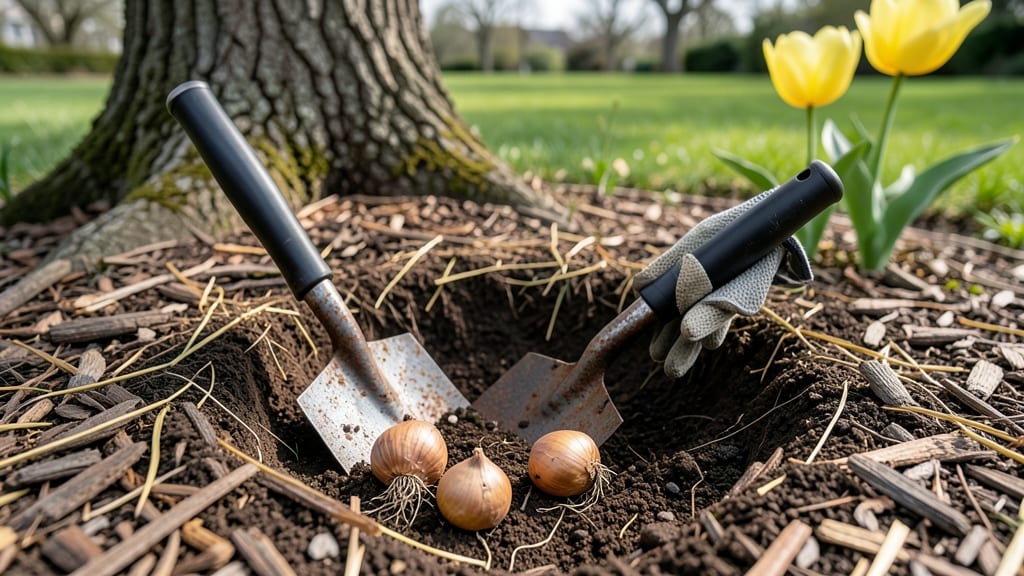
Planting tulip bulbs in the ground at the right time is the key to those vibrant 🌷 blooms you’ve been dreaming of—and getting it wrong could mean waiting another year for color.
The perfect window isn’t just about the calendar; it’s about understanding your climate and soil conditions to give those bulbs the best start.
For most gardeners in USDA Zone 6a, the ideal time falls between October and November, when soil temperatures drop but before the ground freezes solid.
This 6-8 week window lets bulbs establish roots while avoiding winter’s harshest chill. But what if you’re in a warmer zone or missed the boat this fall?
I’ll walk you through the exact timing for your region, how to prep your soil for success, and even what to do if you’re planting late. No more guesswork—just perfect tulips next spring. Let’s get those bulbs in the ground the right way.
Whether you’re a first-time planter or a seasoned gardener, these insights will help you avoid common mistakes and ensure your tulips thrive. Ready to dig in?
The ideal fall planting window for tulip bulbs by climate zone
Planting your tulip bulbs at the right time ensures they establish strong roots before winter dormancy. The ideal window is typically 6-8 weeks before the ground freezes, giving bulbs time to anchor themselves.
For most regions, this falls between mid-September and mid-November, but your exact timing depends on your USDA hardiness zone.
In warmer climates (Zones 8-10), you can plant as late as December—even January in mild winters—since the ground stays workable longer. Meanwhile, gardeners in colder zones (3-6) should aim for early fall (September-October) to avoid planting too close to frost.
Understanding your zone helps you avoid the costly mistake of waiting too long.
Here’s how to align your planting schedule with your climate zone for maximum success:
| USDA Zone | Best Planting Month | Soil Temp Goal | Key Consideration |
|---|---|---|---|
| 3-5 (Cold Winters) | September-October | 40-50°F (4-10°C) | Plant early to avoid early frost. |
| 6-7 (Moderate Winters) | October-November | 50-60°F (10-15°C) | Ideal window for root growth. |
| 8-10 (Mild Winters) | November-December | 60-70°F (15-21°C) | Can plant later; soil stays warm. |
Beyond USDA zones, pay attention to soil temperature. Tulip bulbs need 40-60°F (4-15°C) soil to root properly. Use a soil thermometer if unsure—planting in too-warm soil can cause bulbs to sprout prematurely and die in frost.
In containers, you have more flexibility to adjust timing, as pots warm up faster.
Another critical factor is frost timing. Bulbs must establish roots before the ground freezes. If you’re in a zone with unpredictable frost, err on the side of earlier planting.
For example, in Zone 5, aim for late September—even if the weather feels warm, underground temps may drop sooner than expected.
Pro tip: Mark your calendar based on your last average frost date (check the National Weather Service or local gardening groups). Subtract 6-8 weeks to land on your planting window. For instance, if your first frost is November 15, plant by early October.
If you’re in a warmer microclimate (like near a heat-retaining wall or in a sheltered spot), you might push planting into early December. However, avoid planting when soil temps exceed 60°F (15°C), as this can trigger early sprouting and bulb death. Always prioritize root establishment over speed.
One common mistake is waiting until after the first frost to plant. While tulips are frost-hardy, their roots need time to grow before winter sets in. Planting too late can leave bulbs vulnerable to freeze-thaw cycles, which can damage or kill them.
If you’re a late starter, consider container planting to extend your window.
Finally, local weather patterns matter more than zones alone. A hot, dry fall may require earlier planting, while a cool, wet fall could push your window later. Always adjust for your specific conditions—your garden’s microclimate is the final word on timing.
With the right timing, your tulip bulbs will reward you with vibrant blooms next spring. Next, we’ll cover how to tell if your soil is truly ready for planting—and what to do if it’s not.
The ideal fall planting window for tulip bulbs by climate zone
Planting tulip bulbs at the right time ensures they establish strong roots before winter dormancy. The ideal window is typically 6-8 weeks before the ground freezes, but this varies by USDA climate zone.
In most regions, this means late September to November, but cooler zones may need earlier planting.
For example, gardeners in USDA zones 3-5 (like Minnesota or Maine) should plant by mid-October to allow bulbs to root before harsh winters. Meanwhile, those in zones 7-9 (such as California or Georgia) can extend planting into December since winters are milder.
🌷
| USDA Zone | Ideal Planting Month | Soil Temp Goal (°F) | Key Consideration |
|---|---|---|---|
| 3-5 | Late September - Mid-October | 40-50°F | Short growing season; plant early |
| 6-8 | October - November | 50-60°F | Balanced window; avoid late frosts |
| 9-11 | td style="padding: 10px;">November - Early December60-70°F | Mild winters; extend planting |
To check if your soil is ready, insert a soil thermometer 4-6 inches deep. Tulip bulbs thrive when soil temperatures are between 40-60°F. If your soil is still warm (above 60°F), wait a few weeks or use shade cloth to cool it down.
Pro tip: Plant bulbs in well-draining soil with a sandy loam texture. Amend heavy clay soil with compost or perlite to prevent rot. Bulbs should be 6-8 inches deep, with the pointed end facing upward.
🌱
If you miss the fall window, don’t panic—spring planting is possible, but bulbs may need artificial chilling (6-8 weeks in the fridge) to mimic winter dormancy. This method works best for container-grown tulips in warmer climates.