
Plants
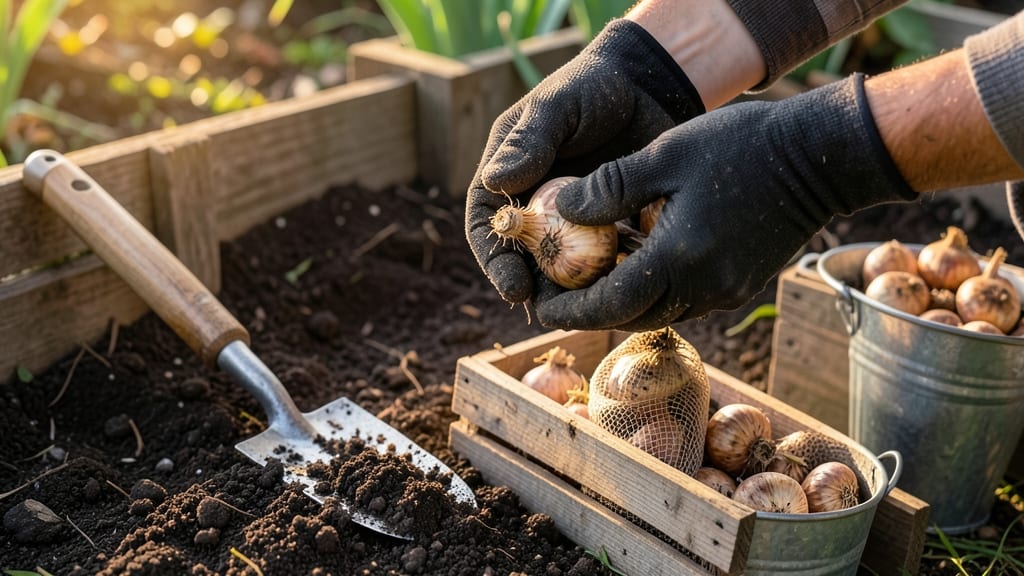
Planting tulip bulbs at the wrong time in Illinois can mean the difference between a stunning spring display and a wasted investment.
The key window—October to November—aligns perfectly with your region's USDA Zones 5-6, but getting the timing just right requires knowing when the ground cools and frost nears.
You might assume "fall planting" means anytime after Labor Day, but Illinois’ unpredictable weather—especially in Zones 5-6—demands precision. Plant too early, and bulbs rot in warm soil; too late, and they won’t establish roots before winter.
The secret? Waiting until soil temperatures drop to 40–50°F, typically 4–6 weeks before your first frost (around mid-October for most areas).
This guide breaks down the exact frost-date map triggers, soil prep hacks for Illinois clay, and step-by-step planting to ensure your 🌷 tulips thrive. Whether you’re a first-time gardener or a veteran, these local insights will help you skip the guesswork and enjoy blooms by next April.
Let’s dive into the 3-step process to plant your bulbs at the perfect moment—so you can enjoy vibrant 🌷 tulips without the trial and error. Ready to get started?
Illinois tulip planting timeline: frost dates & soil temperature rules
Timing your tulip bulbs in Illinois hinges on two critical factors: soil temperature and frost dates. The ideal window spans mid-October to early November, when soil cools to 40–50°F—perfect for bulb root growth before winter dormancy.
Plant too early, and bulbs may rot in warm soil; too late, and they won’t establish roots before freezing.
Illinois falls under USDA Zones 5–6, where the average first frost arrives around October 15. Aim to plant 4–6 weeks before the ground freezes—typically by November 1 in most regions.
Northern Illinois (Zone 5) may need to start earlier, while southern areas (Zone 6) can extend planting into early November.
Here’s how to align your planting with Illinois’ climate for foolproof results:
| Stage | Action | Soil Temp | Illinois Timeline |
|---|---|---|---|
| Soil Prep | Loosen soil, amend with compost | 55–65°F | Early October |
| Bulb Purchase | Choose firm, disease-free bulbs | — | Late September–October |
| Planting Window | 6–8" deep, 4–6" apart | 40–50°F | Mid-October–November 1 |
| First Frost | Bulbs must establish roots | <32°F | Around October 15 |
| Winter Dormancy | Mulch lightly (2–3") | Below 32°F | November–March |
| Spring Blooms | Remove flower stems after blooming | 40–60°F | March–May |
Use this frost-date map as your guide: Northern Illinois (e.g., Chicago) typically sees frost by October 15, while southern areas (e.g., St. Louis) may wait until November 1. Check your local National Weather Service forecast for real-time adjustments—delay planting if unseasonably warm soil persists past October.
Pro tip: Test your soil temperature with a soil thermometer (available at garden centers). Plant only when temps consistently dip below 60°F at night. If your soil stays warm, wait—tulip bulbs won’t tolerate heat and may spoil.
For container gardening, plant bulbs in pots by mid-October and move them to a garage or shed if nighttime temps drop below 30°F. This protects roots while allowing bulbs to chill naturally, a critical step for spring blooms.
Missed the window? Don’t panic. You can plant tulip bulbs in December if the ground isn’t frozen, but expect smaller blooms the following spring. The key is ensuring bulbs have at least 6–8 weeks of cool soil before frost sets in.
Remember: Tulips need cold to bloom. Without proper vernalization (a period of cold), they’ll produce leaves but no flowers. Illinois’ winters provide this naturally, but timing your planting ensures vibrant, reliable blooms year after year.
🌷
Illinois tulip planting timeline: frost dates & soil temperature rules
Timing your tulip bulb planting in Illinois hinges on two critical factors: soil temperature and first frost dates. The ideal window is mid-October to early November, when soil cools to 40–50°F—perfect for root growth before winter.
Illinois’ USDA Zones 5-6 mean you’ll need to adjust slightly based on your exact location, but this general rule applies statewide.
Northern Illinois (e.g., Chicago area) typically sees first frosts around October 15–20, while southern Illinois (e.g., St. Louis) may wait until November 1–5.
Planting 4–6 weeks before frost ensures bulbs establish roots without rotting in warm soil. Check your local frost-date map for precision—this is non-negotiable for success.
| Stage | Action | Illinois Timing |
|---|---|---|
| Soil Prep | Loosen soil, amend with compost, ensure drainage | September–early October |
| Planting Window | Plant bulbs 6–8" deep, 4–6" apart | Mid-October–early November |
| Frost Trigger | Bulbs must root before consistent 28°F temps | 4–6 weeks before first frost |
| Post-Planting Care | Water lightly, mulch after ground freezes | October–November |
Miss the window? You can plant as late as December, but bulbs may not bloom as vigorously. The key is ensuring roots establish before winter dormancy.
For heavy clay soil common in Illinois, mix in sand or compost to improve drainage—this prevents bulb rot, a common issue when soil stays too wet.
Pro tip: Use a soil thermometer to confirm temps are below 60°F before planting. In northern Illinois, this often means waiting until late October, while southern Illinois gardeners can start earlier. Always prioritize soil temperature over calendar dates.
Once planted, mulch with straw after the ground freezes to insulate bulbs through winter. This simple step protects them from freeze-thaw cycles and ensures robust spring blooms. With the right timing, your 🌷 tulips will reward you with vibrant colors by April or May.
Remember: No blooms next spring? It’s likely due to planting too early (rot) or too late (weak roots). Follow these frost-date rules, and you’ll avoid both mistakes. Happy planting!