
Plants
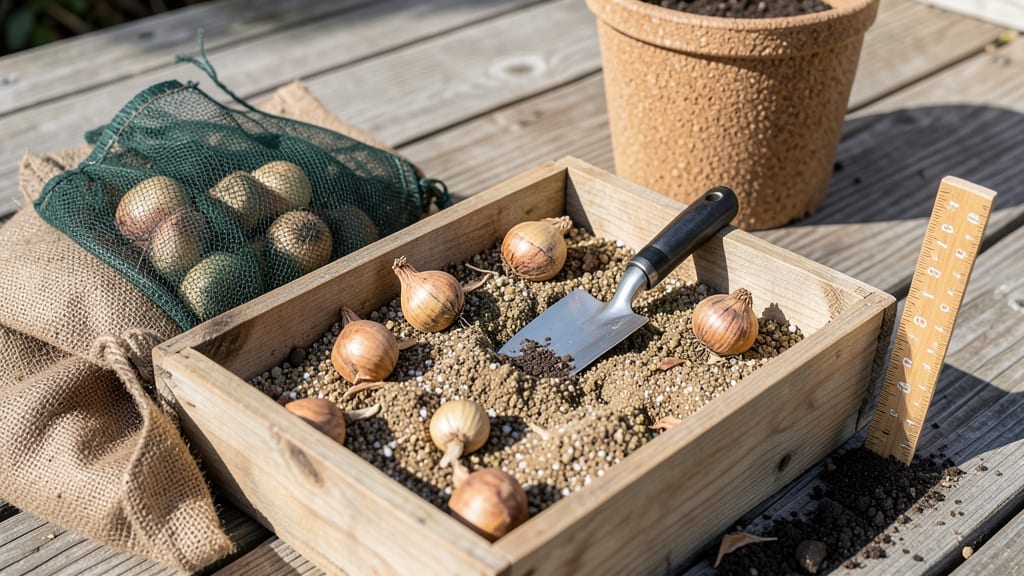
Timing your tulip bulb planting in California isn't just about the calendar—it's about understanding your microclimate's hidden rules. One wrong move, and those 🌷 promises of spring color could vanish before they even begin.
Whether you're in frost-prone Zone 9b or the near-frost-free desert of Zone 10a, the right window makes all the difference.
Most gardeners assume "fall planting" means October across the board, but California's dramatic shifts—from coastal chill to inland warmth—demand precision. Plant too early in Southern California, and your bulbs might sprout before winter's chill triggers blooming.
Too late in the Central Valley, and frost could catch them off guard. The key? Aligning with soil temperatures and local frost dates, not just the month.
Here's what you need to know: Coastal regions like San Francisco can start as early as October, while inland deserts may wait until December. We'll break down exactly when to plant in your specific corner of the state—plus how to prep your soil for maximum success.
No more guessing, just stunning spring displays.
Ready to transform your garden? Let's dive into the science behind California's tulip planting windows and the simple adjustments that could mean the difference between wasted bulbs and a showstopping spring. Your perfect timing starts here.
California’s 5 microclimates and their ideal tulip planting windows
California’s diverse climates mean tulip planting dates vary wildly—from October in coastal areas to December in the Sierra Foothills. The key is understanding your USDA zone and frost risk to give bulbs time to root before winter dormancy.
In Zone 9b (coastal), mild winters allow planting as late as January, while Zone 7b (mountains) demands early October planting to avoid frost damage.
Tulips need 6-10 weeks of cool soil (below 60°F) to establish roots before blooming. In Southern California’s Zone 10a, you can even plant in winter months (December-February) for spring color.
Meanwhile, Northern California’s Zone 9a gardeners should aim for mid-October to early November to align with natural frost cycles.
Here’s how your region stacks up for optimal tulip planting:
| Region | USDA Zone | Ideal Planting Window | Soil Temp Threshold | Frost Risk |
|---|---|---|---|---|
| Coastal (e.g., San Francisco) | 9b-10a | October 15 – December 15 | Below 60°F | Low (rare frost) |
| Central Valley (e.g., Sacramento) | 9a-9b | October 1 – November 15 | Below 55°F | Moderate (light frost) |
| Desert (e.g., Palm Springs) | 10a-11 | November – January | Below 50°F (rare) | None |
| Sierra Foothills (e.g., Auburn) | 7b-8a | October 1 – November 1 | Below 50°F | High (frequent frost) |
| High Desert (e.g., Bishop) | 6b-7a | September 15 – October 15 | Below 45°F | Very High (early frost) |
For coastal gardeners, the mild winter means you can plant tulips later than most regions. In Zone 10a, like Los Angeles, bulbs can go in the ground as late as January and still bloom beautifully.
The trick is ensuring soil temps stay consistently cool—aim for 50-60°F for root development. Use a soil thermometer to check before planting.
Inland areas like the Central Valley face higher frost risk, so October planting is critical. The first frost often hits by December 15, giving bulbs just enough time to root if planted by mid-November.
Pro tip: Mulch heavily with straw or leaves to insulate bulbs from temperature swings.
Southern California’s desert regions (e.g., Palm Springs) are unique—Tulips can bloom year-round if planted in winter months. However, standard tulips may struggle in Zone 11 heat. Opt for heat-tolerant varieties like 'Apeldoorn' or 'Darwin Hybrid' for reliable blooms. Plant in shaded beds to protect bulbs from extreme heat.
If you’re in the Sierra Foothills, treat tulips like spring ephemerals—they’ll bloom early before summer heat sets in. Plant by October 15 at the latest, and choose early-blooming varieties like 'White Dream' or 'Queen of Night' to beat the frost.
These zones often see hard frosts, so deep planting (8 inches) adds protection.
For High Desert areas, like Bishop, the short growing season demands early action.
California’s 5 microclimates and their ideal tulip planting windows
California’s diverse microclimates mean your tulip planting window could span from September to December, depending on where you live. Unlike traditional gardening guides that suggest a one-size-fits-all fall planting approach, California’s coastal chill, Central Valley warmth, and desert dryness demand precision.
Planting at the wrong time can lead to premature sprouting, frost damage, or even no blooms at all.
For example, coastal regions like San Francisco (USDA Zone 9b) have milder winters and can start planting as early as late September, while inland deserts like Palm Springs (Zone 10a) may wait until December to avoid heat stress.
Understanding your local frost dates and soil temperatures is the key to unlocking those 🌷 spring blooms.
Here’s a breakdown of the 5 key California microclimates and their ideal planting windows, including soil temperature thresholds and frost risk factors to help you plan like a pro:
| Region | USDA Zone | Ideal Planting Window | Soil Temp Threshold | Frost Risk | Notes |
|---|---|---|---|---|---|
| Coastal (SF, LA) | 9b-10a | Late September - Early November | 50-60°F (10-15°C) | Low (rare frost) | Plant early to avoid winter rains |
| Central Valley (Sacramento, Fresno) | 9a-9b | Mid October - Mid November | 55-65°F (13-18°C) | Moderate (occasional frost) | Wait for soil to cool below 65°F |
| Desert (Palm Springs, Joshua Tree) | 10a-11 | Late November - Early December | 60-70°F (15-21°C) | None (frost-free) | Plant after summer heat subsides |
| Sierra Foothills (Sacramento foothills) | 7b-8a | Mid October - Early November | 45-55°F (7-13°C) | High (frequent frost) | Plant before first frost (usually late Nov) |
| High Desert (Mammoth Lakes) | 6a-7a | Early October - Mid November | 40-50°F (4-10°C) | Very High (early frost) | Use cold-hardy varieties like 'Darwin Hybrids' |
If you’re in Southern California’s desert regions, you might even plant year-round, but aim for late fall to avoid summer heat stress. Meanwhile, gardeners in cooler inland valleys should prioritize soil temperature over the calendar—wait until the ground cools below 65°F (18°C) for best root development.
Pro tip: Use a soil thermometer to check temperatures at 6-inch depth, the ideal planting depth for tulip bulbs. This small investment can save you from wasted bulbs and ensure your 🌷 spring display is nothing short of spectacular.
Ready to dive deeper? Next, we’ll show you how to fine-tune your planting schedule using local frost data and real-time weather tools—because in California, timing really is everything.