
Plants
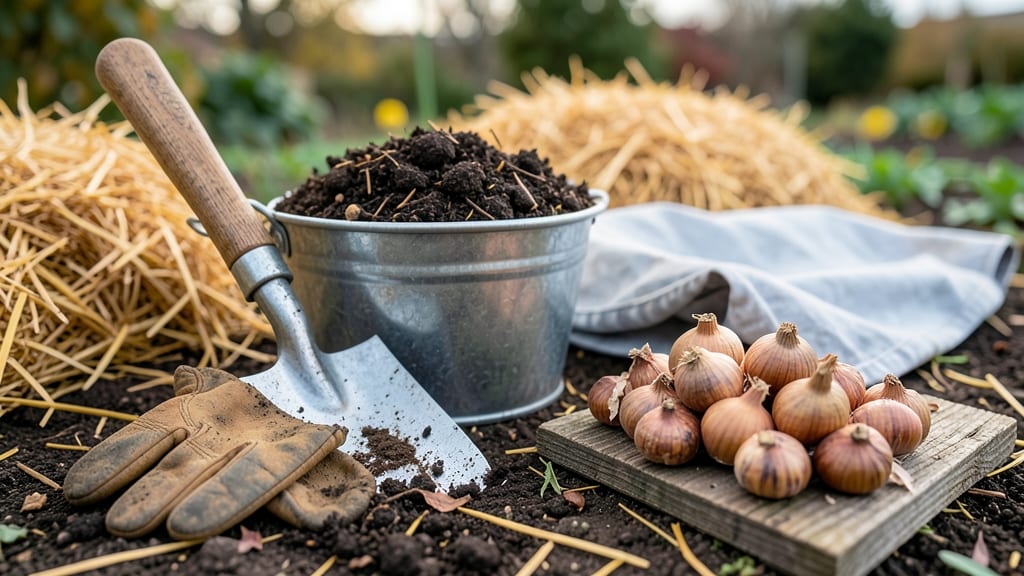
Planting tulips 🌷 in Minnesota isn’t just about grabbing bulbs and sticking them in the ground—it’s about timing them perfectly between the last summer heatwave and the first hard frost.
The 6-8 week window before your zone’s first frost (usually September-October) makes all the difference between vibrant spring blooms and bulbs that freeze before they even sprout.
Why does this matter? Because Minnesota’s 4a-5b climate throws curveballs: soil that’s still too warm in late September can trick tulips into sprouting early, only to get nipped by a surprise frost.
I’ve learned the hard way that planting too soon or too late means wasted bulbs—and nobody wants that when spring finally arrives.
In this guide, I’ll break down the exact frost-free window for your specific zone, plus soil temperature triggers (40-50°F) that tell you when it’s truly safe to plant.
You’ll also discover how to prep your soil for Minnesota’s heavy clay and extend your tulip season with simple mulching tricks that protect bulbs through our brutal winters.
Whether you’re a first-time gardener or a veteran with frozen fingers, these strategies will help you grow tulips that thrive—not just survive—in the North Star State. Let’s get those bulbs in the ground the right way.
Minnesota’s ideal tulip planting timeline by hardiness Zone (3-5)
Timing is everything when planting tulip bulbs in Minnesota. The 6-8 week rule before your first hard frost ensures roots establish before winter. For Zone 3a (northern MN), aim for mid-September, while Zone 5a (southern MN) gardeners have until early October.
Soil temperature is your true planting trigger. Tulips thrive when soil reaches 40-50°F consistently—use a soil thermometer to check depths of 4-6 inches. In Minnesota, this typically aligns with late September in most regions.
Pro tip: Local frost dates vary yearly. Check the MN State Climatology Office or Old Farmer’s Almanac for your specific county’s averages. Even a 2-week shift can mean the difference between blooms and bulbs rotting.
🌷
Planting too early? Tulip bulbs may sprout and get frost-damaged before roots establish. Too late? They won’t develop strong root systems before winter dormancy. The 6-8 week window balances both risks perfectly.
For northern Minnesota (Zone 3a), I recommend late September planting. Use black plastic mulch to warm soil faster if needed. In southern MN, you can push to mid-October—just confirm soil temps stay above 40°F.
Don’t rely on calendar dates alone. A soil thermometer ($10 at garden centers) is your best tool. Stick it in 4-6 inches deep—the depth where tulip roots will grow. Wait until temps hold consistently above 40°F for 3+ days.
🌿
If you’re new to Minnesota gardening, start with hardy varieties like Darwin Hybrid tulips or Fosteriana. These tolerate colder soils better than parrot or frilled tulips.
For Zone 3a, I’ve had success with ‘Red Emperor’ and ‘Queen of Night’—both bloom reliably despite our short growing seasons.
Remember: Bulb quality matters. Buy certified disease-free bulbs from MN-based nurseries like Bakker Bulbs or Park Seed. Cheap bulbs often rot in wet Minnesota winters, wasting your timing efforts.
🌱
5 Critical soil & weather conditions before planting tulips in Minnesota
Before you dig into Minnesota’s heavy clay soil, you need to check five key conditions that separate successful tulip plantings from frozen disappointments. The wrong timing or soil state can leave your bulbs vulnerable to rot, heaving, or early sprouting—all common pitfalls in our 4a-5b climate.
I’ve made these mistakes myself, and trust me, you don’t want to repeat them.
The first condition is soil temperature consistency. Tulip bulbs need the ground to stay between 40-50°F for at least a week before planting. If the soil is still warm from summer, bulbs may sprout prematurely and get killed by early frosts.
Use a soil thermometer (available at garden centers) to check temperatures at a depth of 6 inches—this is the sweet spot for root establishment.
- 🌡️ Soil Temp: 40-50°F for 7+ days (use thermometer at 6" depth)
- 💧 Moisture Level: Well-drained but not soggy (Minnesota clay drains poorly—amend with compost!)
- ☁️ Frost Risk: Check Old Farmer’s Almanac for 10-day forecast (avoid planting if frost is predicted)
- 🌱 Bulb Condition: Firm, dry, and free of mold (discard any soft or shriveled bulbs)
- ⏳ Planting Window: 4-6 weeks before your zone’s first hard frost (typically late Sept-Oct)
The second critical factor is moisture balance. Minnesota’s clay soil holds water like a sponge, which can suffocate tulip bulbs. Before planting, mix in 2-3 inches of compost or sand to improve drainage.
Water the soil lightly a day before planting to help bulbs settle, but avoid waterlogging—soggy soil leads to rot. A simple test: squeeze a handful of soil; if water drips out, it’s too wet.
Third, you must monitor frost risk using local tools. The Old Farmer’s Almanac and MN State Climatology Office provide frost prediction maps tailored to your county. Planting too early (like mid-August) risks bulbs sprouting before winter, while waiting until November leaves them exposed to freeze-thaw cycles.
Aim for the 6-8 week window before your area’s average first frost date.
Fourth, inspect your bulb quality before planting. Discard any bulbs that feel soft, shriveled, or have mold—these won’t survive Minnesota’s winters. Healthy bulbs should be firm, dry, and papery-skinned.
Soak them in a 10% bleach solution (1 part bleach to 9 parts water) for 10 minutes to prevent fungal diseases, then rinse and dry thoroughly before planting.
Finally, consider microclimates in your yard. South-facing slopes warm up faster in spring, while low-lying areas stay colder longer. If your garden has these variations, plant tulips in the warmer microclimate for earlier blooms.
In my own garden, the south-facing border blooms 2 weeks earlier than the north side—worth the extra effort!