
Plants
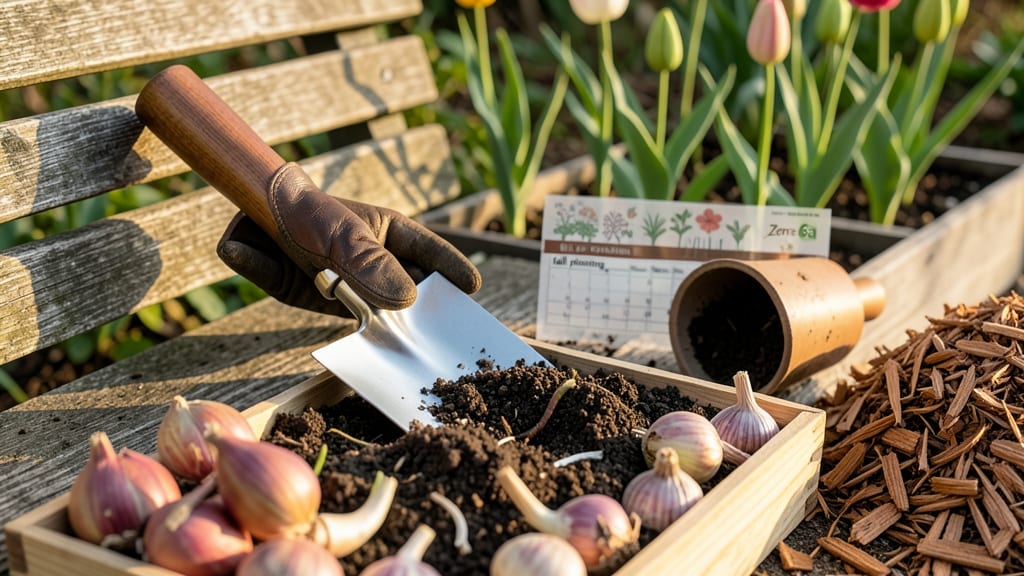
Timing your bulb planting just right in Zone 6a could mean the difference between a garden bursting with color and a missed opportunity for next year's blooms. The key is understanding when to plant bulbs in Zone 6a—because fall's narrow window is your best shot for reliable spring flowers.
Most gardeners know fall is the magic time for planting spring-flowering bulbs like tulips and daffodils, but did you know Zone 6a's first frost around mid-October sets your deadline? Planting too late risks winter damage, while getting it right ensures vibrant blooms when you need them most.
Let me walk you through the exact schedule that works for your climate.
We'll cover everything from soil prep to depth and spacing, with special tips for fall-blooming varieties that don't follow the usual rules. Whether you're a beginner or seasoned gardener, these strategies will help you avoid common mistakes that lead to flopped blooms.
By the end, you'll know exactly when to plant each type of bulb in your area—so you can enjoy a garden that comes alive season after season. Let's get those bulbs in the ground at the perfect time for maximum impact!
Best months to plant spring-flowering bulbs in Zone 6A
In Zone 6A, the key to stunning spring blooms starts in fall planting. Most spring-flowering bulbs like tulips, daffodils, and hyacinths need a 6-8 week cold period to bloom.
Aim to plant them when soil temps drop to 60°F—typically mid-October to early November—before the ground freezes.
For Zone 6A's short growing season, timing matters more than anywhere else. Plant too early, and bulbs may sprout and get damaged by frost. Too late, and they won’t establish roots before winter.
The ideal window is 6-8 weeks before the first hard frost, which usually hits around mid-October in most of Zone 6A.
🌱Pro Tip: Use a soil thermometer to check temps. Bulbs should go into 50-55°F soil for optimal root growth before winter dormancy.
| Bulb Type | Best Planting Time | Depth | Spacing | Bloom Time |
|---|---|---|---|---|
| Tulips | Mid-October to early November | 6-8 inches | 4-6 inches apart | April-May |
| Daffodils | Late October to early December | 6-8 inches | 3-6 inches apart | March-April |
| Hyacinths | Mid-October to early November | 6 inches | 4-6 inches apart | April-May |
| Alliums | Late September to early October | 6-8 inches | 6-12 inches apart | May-June |
| Crocuses | September-October | 3-4 inches | 2-3 inches apart | February-March |
If you miss the fall window, early spring planting is your backup. Plant tulips and hyacinths in March when soil is workable (around 40-50°F). Daffodils and crocuses can even handle late spring planting in April, though blooms may be delayed.
For Zone 6A's variable climate, consider mulching after planting to insulate bulbs. Use 2-3 inches of straw or shredded leaves to protect them from freeze-thaw cycles, which can damage emerging shoots in early spring.
🌿Soil Prep Matters: Amend your soil with compost before planting. Bulbs need well-draining soil—avoid heavy clay by mixing in sand or perlite if needed. A pH of 6.0-7.0 is ideal for most spring bulbs.
In Zone 6A, late fall (December) planting is risky. Bulbs may not develop strong roots before winter. If you’re late, focus on hardy varieties like daffodils or snowdrops, which tolerate cooler soils better than delicate tulips.
💡Zone 6A Hack: Plant bulb combinations for extended color. Pair early crocuses (February blooms) with late tulips (May blooms) to enjoy flowers from early spring to summer.
After planting, water deeply to settle soil around bulbs. No further watering is needed until shoots emerge in spring. Overwatering in winter can rot bulbs, so let nature take its course until March.
When to plant fall-blooming and summer-flowering bulbs in Zone 6A
While most gardeners focus on spring-flowering bulbs like tulips and daffodils, fall-blooming varieties offer stunning color when other plants are dormant. In Zone 6A, timing is crucial—plant these bulbs too early, and they'll rot before winter.
Too late, and they won't establish roots for spring blooms. The key is understanding each variety's unique needs in your climate.
For fall-blooming crocuses and autumn daffodils, aim for late summer planting (August-September). These hardy bulbs thrive when planted 6-8 weeks before your first frost, typically around mid-October in Zone 6A. Unlike spring bulbs, they don't need deep freezing to trigger blooming, making them more flexible for late-season gardeners.
Summer-flowering bulbs like dahlias and gladiolus require a different approach. These heat-lovers need to be planted after your last frost date (around mid-May in Zone 6A) when soil temperatures consistently stay above 60°F.
Planting too early risks frost damage, while waiting too long may delay their spectacular summer displays.
🌱 Zone 6A Bulb Planting Schedule for Fall/Summer Varieties
- Crocus (Fall Blooming): Plant August 15-September 15 for September-October color. Tolerates partial shade.
- Autumn Daffodils: Plant September 1-October 1. Choose Narcissus 'Autumnalis' varieties for early fall blooms.
- Dahlias (Summer Blooming): Plant May 15-June 1 after last frost. Needs full sun and staking.
- Gladiolus: Plant May 1-May 31 for July-August blooms. Plant corms 4 inches deep.
- Alliums (Ornamental Onions): Plant September 15-October 15. Thrives in poor soil and full sun.
One common mistake is treating all bulbs the same. Fall-blooming varieties like Sternbergia (a winter-blooming relative of daffodils) need planting in late summer to establish roots before winter. Meanwhile, summer bulbs like canna lilies should wait until soil warms to 70°F—typically mid-May or later in Zone 6A.
For heat-tolerant bulbs, consider elephant ears (Alocasia) or caladiums, which can be planted as late as June 1 in Zone 6A. These tropical beauties need protection from early frosts and thrive in rich, moist soil.
Mulch heavily around them to retain heat and prevent root damage from temperature swings.
Remember that Zone 6A's variable climate means your exact planting dates may shift slightly year to year. Always check your local frost dates and adjust by 2-3 weeks if your fall arrives unusually early or late.
With these precise timelines, you'll enjoy blooms from September through October and into summer's peak—proving that bulbs aren't just for spring!