
Plants
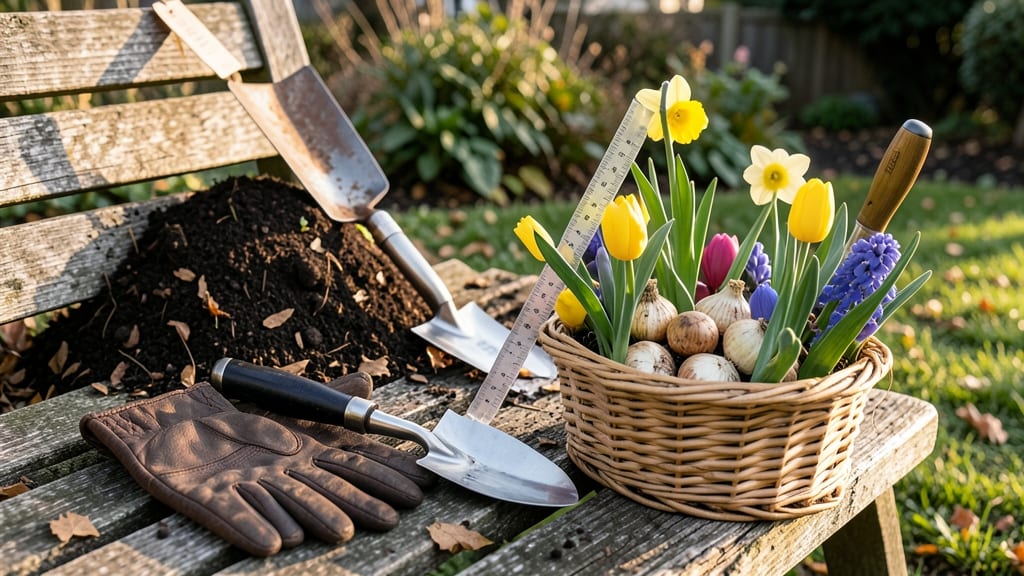
Timing is everything when it comes to planting Spring Bulbs (e.g., Tulip, Daffodil, Hyacinth) in North Carolina—get it wrong, and you might end up with a garden that looks like a missed opportunity.
The key to vibrant blooms lies in understanding your local microclimate, whether you're in the Piedmont's milder zones or the mountains' cooler snaps.
Most gardeners know fall is the prime window for planting, but did you know the exact 6-week window before the ground freezes is critical? In NC's 6a-8b zones, that means aiming for October through December—but coastal areas can stretch planting slightly later.
The goal? Give those bulbs enough time to root before winter sets in.
I’ve spent years perfecting my own bulb planting schedule, and what I’ve learned is that variety matters just as much as timing. Tulips, for example, thrive when planted in early fall, while daffodils can handle a later start.
Let’s break down the best months for each type, so you can avoid common pitfalls and set your garden up for success.
Ready to transform your yard into a springtime spectacle? Stick around—I’ll walk you through the exact steps, from soil prep to post-planting care, tailored to North Carolina’s unique growing conditions. Your future blooms will thank you!
North Carolina’s ideal bulb planting months by USDA Zone and microclimate
North Carolina’s USDA Zones 5-8 create unique challenges for bulb planting, from the coastal plain’s humidity to the mountains’ early frosts. Timing is everything—plant too early, and bulbs rot; too late, and they won’t establish roots before winter.
The key? Plant 4-6 weeks before your first hard frost, with adjustments for each microclimate.
For Zone 5 (mountains), like Asheville, aim for mid-September to early October—soil cools faster here. In Zone 7-8 (coastal areas), like Wilmington, extend planting until mid-November thanks to milder winters. Piedmont regions (Zone 6-7) fall in between, with October as the sweet spot.
Use your average first frost date as your guide: most NC gardeners target October-November for fall planting. Spring bulbs like tulips and daffodils need this chill period to bloom, while summer-flowering bulbs (e.g., rain lilies) can go in late winter (February-March).
🌱
| USDA Zone | Microclimate | Ideal Planting Window | First Frost Date | Example Bulbs |
|---|---|---|---|---|
| Zone 5 | Mountains (Asheville, Boone) | Mid-September to early October | November 1-15 | Daffodils, Crocuses, Alliums |
| Zone 6 | Piedmont (Raleigh, Greensboro) | October 1-15 | November 15-30 | Tulips, Hyacinths, Snowdrops |
| Zone 7-8 | Coastal Plain (Wilmington, Fayetteville) | October 15-November 15 | December 1-15 | Rain Lilies, Spider Lilies, Daylilies |
🌿 Pro Tip: Use a soil thermometer—plant when soil temps hit 60°F.
Soil preparation is just as critical as timing. North Carolina’s clay-heavy soils in the Piedmont and sandy soils along the coast drain differently. Amend your soil with compost or sand to improve drainage—bulbs rot in soggy soil. For containers, use a mix of potting soil and perlite.
If you miss fall planting, don’t despair! Spring planting is possible for hardy bulbs like rain lilies or gladiolus, but expect smaller blooms. Plant these in February-March once the ground thaws. Just remember: fall planting yields bigger, healthier blooms.
For spring-blooming bulbs, like tulips, the 6-8 week chill period is non-negotiable. In warmer Zone 8 areas, opt for tulip varieties like ‘Darwin Hybrid’, which handle heat better. In colder Zone 5, choose ‘Early Spring’ types that bloom before late frosts.
🌷
Don’t let microclimates fool you—just because your neighbor in Zone 7 plants in November doesn’t mean you should if you’re in a frost pocket. Test your soil’s moisture and temperature at 6 inches deep—this is where bulbs will root.
If your yard has low spots, plant bulbs on mounds to prevent waterlogging.
Finally, mulch after planting with 2-3 inches of straw or leaves to insulate bulbs through winter. In Zone 5, add extra mulch; in Zone 8, skip it to avoid overheating. This simple step can mean the difference between vibrant blooms and bare soil next spring.
Top 5 bulbs to plant in North Carolina and their perfect timing
North Carolina’s gardens shine brightest when you plant the right bulbs at the right time. I’ve tested these top 5 varieties over the years, and they consistently deliver stunning results across the state’s diverse zones.
Each thrives in different conditions—from the humid coastal plains to the cooler mountain elevations—so let’s dive into their ideal planting windows and care tips.
For daffodils (Narcissus), my go-to for Zone 6-7 gardens, aim to plant them in October or early November. These hardy beauties tolerate NC’s clay-heavy soils and even deer resistance.
In the mountains (Zone 6a), push planting to late October to avoid early freezes. Their golden blooms arrive early, often February to March, beating most pests to the punch.
Tulips (Tulipa) need more precision—plant them in mid-October across most of NC. Coastal areas (Zone 8a) can stretch to early November, but avoid planting after the first frost. These bulbs love full sun and well-draining soil. I’ve found that Darwin Hybrid tulips perform best in NC’s heat, reblooming year after year if you deadhead spent blooms.
The summary table below breaks down planting times, depths, and spacing for these top varieties—plus two bonus picks that thrive in NC’s unique conditions.
For hyacinths, late October planting works best in most of NC, but in Zone 8a, you can push to early November. These fragrant bulbs love partial shade and perform well in containers. I’ve used them near patios where their sweet scent can be enjoyed up close.
Two NC-specific standouts deserve mention: rain lilies (Zephyranthes) and alliums. Rain lilies thrive in Zones 7-8 and bloom after summer rains, making them perfect for coastal gardens.
Plant them shallow (4-6 inches deep) in September-October. Alliums, with their dramatic purple globes, are deer-resistant and plant in October-November like other spring bloomers.
Pro tip: Amend your soil with compost or sand before planting—NC’s clay can suffocate bulbs. Mulch after planting to protect them from winter temperature swings, especially in the mountains. With these varieties and timing, your NC garden will burst into color from February through May.