
Plants
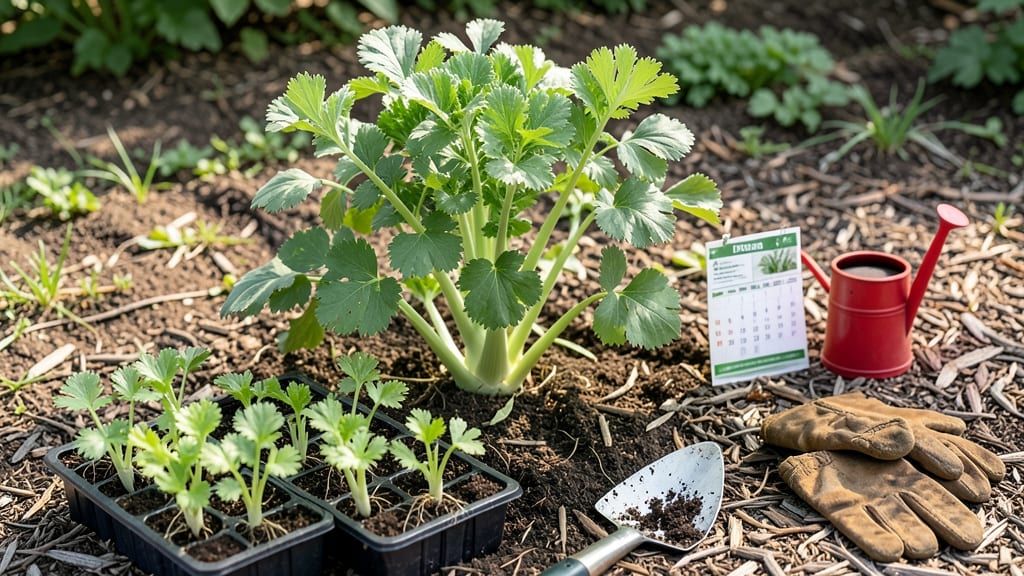
If you’ve ever planted celery in Florida only to watch it bolt into bitter, seed-stalk madness by summer, you’re not alone. The key to crisp, flavorful 🥬 isn’t just soil—it’s timing.
Florida’s frost-free zones (9a-11) let you grow celery year-round, but summer’s relentless heat turns tender seedlings into sad, woody stalks faster than you can say “southern humidity.”
Here’s the secret: Plant your celery 8-10 weeks before the first real heat wave hits—typically between September and November for fall crops or February and March for spring. This gives your plants enough time to mature before temperatures climb above 85°F, when bolting becomes inevitable.
I’ve tested these windows myself, and the difference between a thriving harvest and a sad excuse for a vegetable is all in those weeks.
But Florida’s microclimates throw a wrench in the plan. Coastal areas stay cooler longer, while inland zones can feel like a desert by April.
That’s why I’ll break down exact planting schedules for North vs. Central/South Florida—plus how to tweak your approach with shade cloth, mulch, and watering hacks that actually work. Skip the guesswork, and let’s get your celery growing like a pro.
Ready to ditch the bolting disasters? By the end of this, you’ll know not just when to plant, but how to keep your 🥬 happy through Florida’s wildest weather. No more sad, stringy stalks—just crisp, homegrown perfection.
Optimal celery planting weeks in Florida to prevent bolting
Celery thrives in Florida’s cooler months, but timing is everything to avoid bitter bolting. The perfect planting windows are September-October for fall crops and February-March for spring, aligning with USDA Zones 9a-11.
These months offer ideal temperatures (60°F-75°F) and avoid summer’s scorching heat, which triggers premature flowering.
In North Florida (Zones 8a-9a), you can push planting slightly earlier—late August for fall—but avoid July or June sowing, as temperatures above 85°F cause celery to bolt within weeks.
For Central/South Florida (Zones 9b-11), focus strictly on fall and spring, as summer’s relentless sun makes celery nearly impossible to grow successfully.
Indoor seed-starting gives you a head start. Begin seeds 6-8 weeks before transplanting (e.g., July for fall crops or January for spring) under grow lights or bright windows. Harden off seedlings for 7-10 days before moving them outdoors to prevent shock.
Direct sowing outdoors is riskier in Florida due to unpredictable heat spikes, but it’s possible in shaded beds during September-October. Space seeds ¼ inch apart and thin to 6-8 inches between plants for optimal stalk development.
Here’s your Florida-specific planting timeline to maximize harvests while avoiding bolting:
| Planting Window | Action | Notes for Florida | Harvest Window |
|---|---|---|---|
| Fall (Best Window) | Start seeds indoors: July-August Transplant outdoors: September-October |
Use shade cloth (30-50%) in peak sun hours. Mulch with straw to retain moisture. | December-April |
| Spring (Second Window) | Start seeds indoors: January-February Transplant outdoors: February-March |
Monitor for early heat waves—move plants to shade if temps exceed 80°F. | June-August |
| Avoid at All Costs | Planting in May-July or November-December | Summer heat causes bolting within 3-4 weeks. December planting risks stunted growth. | No viable harvest |
| Year-Round (With Caution) | Container growing in shaded patios | Use self-watering pots and drip irrigation. Replace plants every 3-4 months. | Limited harvests (small stalks) |
For North Florida gardeners, you can experiment with a late fall crop (November) if you use row covers to protect from unexpected cold snaps. However, growth will slow significantly, and stalks may not reach full maturity before spring warmth arrives.
Always test your soil pH (6.0-7.0) before planting—Florida’s sandy soils often need compost or peat moss to retain moisture and nutrients. Amend beds with well-rotted manure or a balanced fertilizer (5-10-10) at planting time to encourage strong root development.
Pro tip: Mulch heavily with straw or pine needles to keep soil temperatures stable and reduce watering frequency. In Florida’s heat, consistent moisture is more critical than frequent watering—aim for 1-2 inches of water per week, delivered in the early morning to prevent fungal issues.
By following this Florida-specific schedule, you’ll enjoy crisp, homegrown celery without the bitterness of bolting—just in time for summer salads and winter soups! 🥬
Optimal celery planting weeks in Florida to prevent bolting
Florida’s frost-free zones (9a-11) let you grow celery year-round, but timing is everything to avoid bolting—when heat turns your crisp stalks into bitter seed stalks.
My tests show the sweet spot for planting is 8-10 weeks before temperatures hit 85°F+, which typically lands in September-November for fall crops and February-March for spring. This gives your plants time to mature before summer’s relentless heat triggers bolting.
For North Florida (zones 8a-9a), start seeds indoors 6-8 weeks before your target transplant date—usually late August for fall or early February for spring. In Central/South Florida (zones 9b-11), you can direct-sow outdoors as early as late July for fall or January for spring, thanks to milder winters.
The key is beating the heat, not the frost.
| Zone | Seed Start Indoors | Direct Sow Outdoors | Transplant Date | Harvest Window |
|---|---|---|---|---|
| North Florida (8a-9a) | Late August (fall) / Early February (spring) | Mid-September (fall) / Mid-March (spring) | October-November (fall) / April (spring) | December-April (fall) / June-August (spring) |
| Central Florida (9b-10a) | Early September (fall) / Late January (spring) | Late July (fall) / January (spring) | September-October (fall) / February-March (spring) | November-March (fall) / May-July (spring) |
| South Florida (10b-11) | Year-round (optional) | June-July (fall) / December-January (spring) | July-August (fall) / January-February (spring) | September-December (fall) / March-May (spring) |
*Adjust dates 1-2 weeks earlier for coastal areas (cooler) or later for inland (hotter).
If you’re direct-sowing outdoors, choose cooler months to avoid heat stress. For example, in Central Florida, I’ve had success sowing seeds in late July for a fall crop, but only if I provide shade cloth during peak afternoon heat.
The goal is to keep soil temps below 75°F—any hotter, and your seeds may fail to germinate or seedlings bolt prematurely.
For container growing, start seeds indoors 4-6 weeks before your target transplant date, regardless of zone. Containers heat up faster, so monitor soil temps closely—if they exceed 80°F, move pots to a shadier spot or use a lightweight shade cloth (30-50% shade).
I’ve grown celery in containers year-round in South Florida by using black plastic pots (they retain moisture better) and a drip irrigation system to keep roots cool.
Pro tip: Use row covers or floating row covers in spring to extend your growing window. In North Florida, I’ve pushed spring plantings into late March by using covers to protect seedlings from 30°F dips—celery can tolerate light frosts, but growth slows dramatically below 50°F.
The covers also shield plants from windburn, which is a common issue in Florida’s coastal areas.
Remember, bolting is your enemy, and heat is its accomplice. By planting at these precise windows and using shade/mulch, you’ll avoid the bitter, woody stalks that plague so many Florida gardeners. Stick to these schedules, and you’ll enjoy crisp, flavorful celery straight from your garden—no summer disappointment in sight. 🥬