
Plants
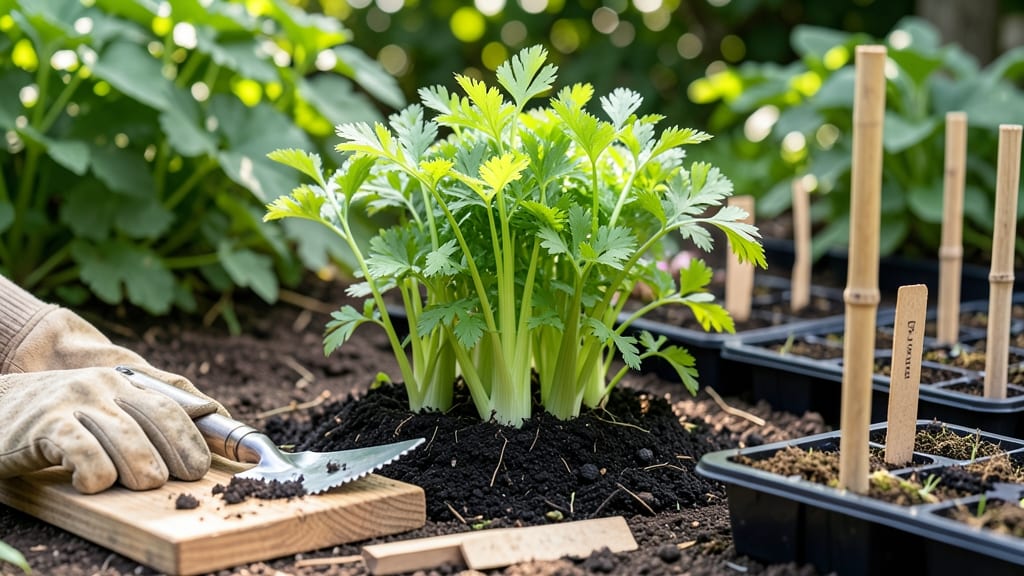
Optimal planting windows for celery in Zone 6: early vs late season
Celery (Apium graveolens) loves cool weather but struggles when temperatures climb above 75°F (24°C). In Zone 6, you have two ideal planting windows: early spring and late summer.
Each offers unique advantages for maximizing your crisp, flavorful harvest. Let’s break down the best times, soil conditions, and transplant tips for each window.
For spring planting, aim to start seeds 10-12 weeks before your last frost date (typically mid-March to early April in Zone 6). This gives seedlings enough time to mature before summer heat sets in.
If you’re using transplants, wait until soil temperatures reach 50°F (10°C)—usually late April—to avoid stunted growth from cold soil.
Your second chance comes in late summer, specifically July to early August. This window lets you harvest before the first frost (around mid-October in Zone 6). The key here is to plant 6-8 weeks before your first frost so stalks mature before temperatures drop.
Use shade cloth if your summer heat exceeds 80°F (27°C) to prevent bolting.
| Planting Window | Best Time | Soil Temp | Transplant Ready | Harvest Window |
|---|---|---|---|---|
| Early Spring | March–April | 50°F+ (10°C+) | Late April | August–October |
| Late Summer | July–August | 60°F+ (15°C+) | Early August | October–November |
If you’re starting seeds indoors, begin 8-10 weeks before transplanting (so February for spring and June for summer). Use seed-starting trays with well-draining mix and keep them under grow lights for 12-14 hours/day. Harden off seedlings 1 week before transplanting to avoid shock.
For direct sowing, wait until soil is at least 50°F (10°C) and sow seeds ¼-inch deep, spacing them 6 inches apart in rows 18 inches apart.
Thin seedlings to 6-8 inches apart once they’re 2 inches tall to give roots room to spread. Mulch with straw or grass clippings to retain moisture and suppress weeds.
Zone 6’s variable weather can throw off timing, so always check your local frost dates (they vary slightly by region). For example, Columbus, OH has a last frost around April 15, while Denver, CO might see it 2 weeks later.
Adjust your schedule accordingly to avoid bolting or stunted growth.
Pro tip: Use a soil thermometer to confirm temperatures before planting. Celery roots struggle to absorb nutrients in cold soil, leading to thin, bitter stalks. Aim for consistently warm soil (above 55°F/13°C) for best results.
Once planted, water deeply 2-3 times/week (more in heatwaves) and avoid wetting foliage to prevent celery leaf spot. With the right timing, you’ll enjoy homegrown celery from late summer through fall—far sweeter and fresher than store-bought!
Optimal planting windows for celery in Zone 6: early vs late season
In Zone 6, celery thrives in cool weather but struggles with summer heat. The best times to plant are early spring (March-April) and late summer (July-August). These windows align with soil temperatures between 50-75°F (10-24°C), creating ideal conditions for germination and growth.
For spring planting, start seeds indoors 10-12 weeks before your last frost date (typically mid-March in Zone 6). Transplant seedlings outdoors after soil warms to 50°F (10°C) and nighttime temperatures stay above 40°F (4°C). This usually lands around late April.
For late summer planting, sow seeds directly outdoors 8-10 weeks before the first frost (usually late July). This second crop benefits from cooler fall temperatures, avoiding the bolting that occurs in summer heat. Both strategies maximize your harvest window.
Zone 6 gardeners should also note that celery is frost-tolerant but prefers consistent moisture. Mulching with straw helps maintain even soil temperatures. If you miss these windows, consider growing celery in containers for better temperature control.
For best flavor, harvest celery before the first hard frost. Use a sharp knife to cut stalks at the base, leaving the roots intact for regrowth. This technique can extend your harvest by 2-3 weeks in mild Zone 6 winters.
Remember: Celery is a slow grower (90-150 days to maturity), so early planting is key. With the right timing, you'll enjoy crisp, sweet stalks straight from your garden all season long!