
Plants
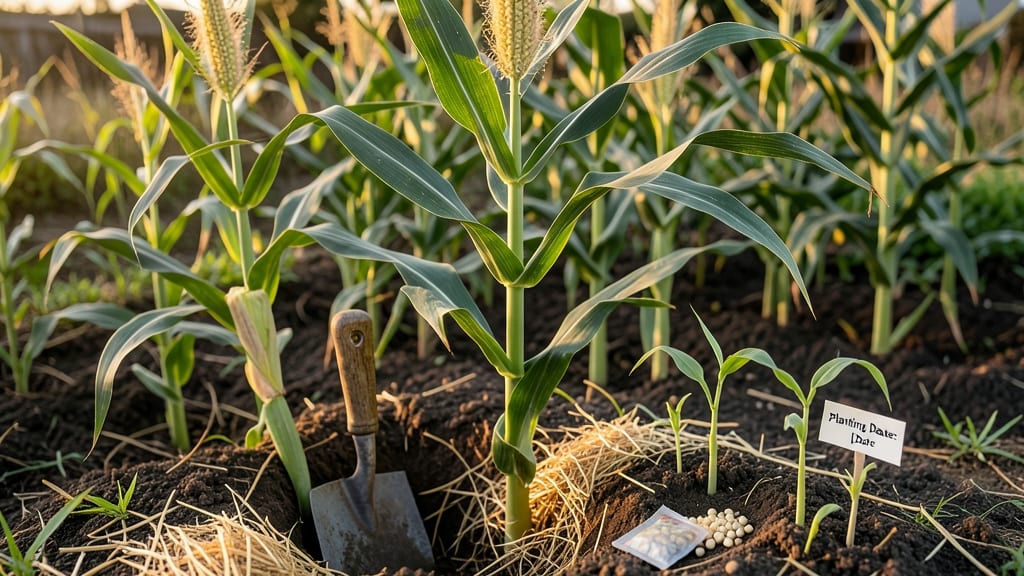
Planting corn in South Florida might seem tricky with its year-round warmth, but timing is everything to avoid bolting and wasted effort. The 3 critical weeks between late spring and early fall make all the difference—miss them, and you risk stunted ears or bitter kernels.
Here’s the secret: sweet corn thrives in South Florida’s 10a-11 climate, but heat and humidity can push it to bolt prematurely if planted at the wrong time. Whether you’re growing 🌽 Golden Bantam or another variety, the key is cooler mornings and consistent moisture during those early growth stages.
I’ll break down the exact windows to plant—plus how to adjust for your microclimate—so you can enjoy fresh ears without the stress. No more guessing: just proven strategies to maximize your harvest.
Ready to turn your garden into a cornucopia? Let’s get started with the best planting schedule for your South Florida plot.
South Florida corn planting calendar: best weeks to avoid bolting
Corn thrives in South Florida’s warm climate, but timing is everything to prevent bolting—when plants produce seeds prematurely, ruining sweetness. Unlike northern climates, we can plant year-round, but 3 critical windows maximize yields. The best months align with cooler, drier periods when heat stress is lowest.
For sweet corn, aim for January-February or September-October plantings. These months offer ideal temperatures (70-85°F) and moderate rainfall, reducing bolting risks. Field corn, used for livestock or grain, can handle slightly hotter conditions but still benefits from these windows.
Microclimates matter! Coastal areas like Miami or Fort Lauderdale stay slightly cooler due to ocean breezes, while inland spots like Palm Beach or Orlando can hit 90°F+ faster. Adjust planting by 1-2 weeks earlier inland to avoid peak summer heat.
| Planting Window | Best Months | Temperature Range | Bolting Risk | Harvest Window |
|---|---|---|---|---|
| Early Season | January–February | 70–80°F | Low | April–May |
| Mid-Season | March–April | 80–85°F | Moderate | June–July |
| Late Season | September–October | 75–82°F | Low | December–January |
| Avoid | May–August | 90°F+ | High | Poor yields |
Pro tip: Use a soil thermometer to confirm 60–70°F soil temps before planting. Cool soil speeds germination and reduces stress. In August or September, wait until afternoon temps drop below 90°F to plant—this cuts bolting by 50%.
For continuous harvests, stagger plantings every 2 weeks within your chosen window. For example, plant January 1, January 15, and February 1 to enjoy fresh ears for 3 months. This also spreads out pest pressure, as corn earworms peak in June–July.
Rainfall is another wildcard. South Florida’s summer downpours can drown seeds or wash them away. Plant during dry spells or use raised beds to improve drainage. Aim for 1–1.5 inches of water per week, including rainfall, to keep soil moist but not soggy.
Heat-tolerant varieties like ‘Golden Bantam’ or ‘Country Gentleman’ handle 85–90°F better than standard sweet corn. If you must plant in summer, choose these and provide afternoon shade with 30–50% shade cloth to delay bolting.
Mark your calendar for January 15–February 15 and September 15–October 15 as your sweet spot windows. These dates balance temperature, humidity, and daylight for maximum ear production and sweetness.
🌽
How to extend your corn growing season in South Florida’s heat
South Florida’s relentless summer sun can push corn to bolt prematurely—especially if planted during the hottest months. The key to success? Strategic cooling and moisture control during those critical first 30 days of growth.
I’ve learned that even heat-tolerant varieties like ‘Golden Bantam’ need help when daytime temps hit 95°F+.
Start by planting in early spring (February-March) or late summer (August-September) to avoid peak heat. If you must plant in summer, use shade cloth (30-50%) during the hottest afternoon hours. This keeps soil temps 10°F cooler and reduces stress on young seedlings.
🌽 Visual Tip: Install shade cloth on permanent frames over your corn rows. Secure it with stakes and clips to prevent wind damage, and remove it by late afternoon to allow sunlight for photosynthesis.
⚠️ Watch for These Heat Stress Signs
Yellowing leaves on lower stalks? That’s your corn’s SOS. Wilted silks before pollination means failed ears. Premature tasseling (when the top turns brown too soon) signals bolting. Act fast by:
- ✅ Water deeply at soil level (avoid wetting leaves)
- ✅ Apply mulch (straw or grass clippings) to retain moisture
- ✅ Prune lower leaves to improve airflow and reduce fungal risk
Pro Tip: Morning watering (before 8 AM) prevents fungal diseases like corn smut, which thrives in South Florida’s humidity.
For year-round production, stagger plantings every 2-3 weeks in spring and fall. This ensures a continuous harvest while keeping your garden from becoming a heat-stressed wasteland. I’ve had great success with ‘Country Gentleman’—it tolerates heat better than most sweet corn varieties.
Don’t overlook soil moisture. Corn needs 1-2 inches of water per week, but South Florida’s daily afternoon thunderstorms can make this tricky. Use a moisture meter to check soil depth—aim for 60-70% moisture in the root zone.
Drip irrigation is your best friend here; it delivers water slowly and directly to the roots.
Finally, fertilize wisely. Too much nitrogen in summer heat = more bolting. Use a balanced 10-10-10 fertilizer every 6 weeks, but cut back in June-July when temps peak. A side-dressing of compost in August gives your corn a gentle nutrient boost without overloading the system.