
Plants
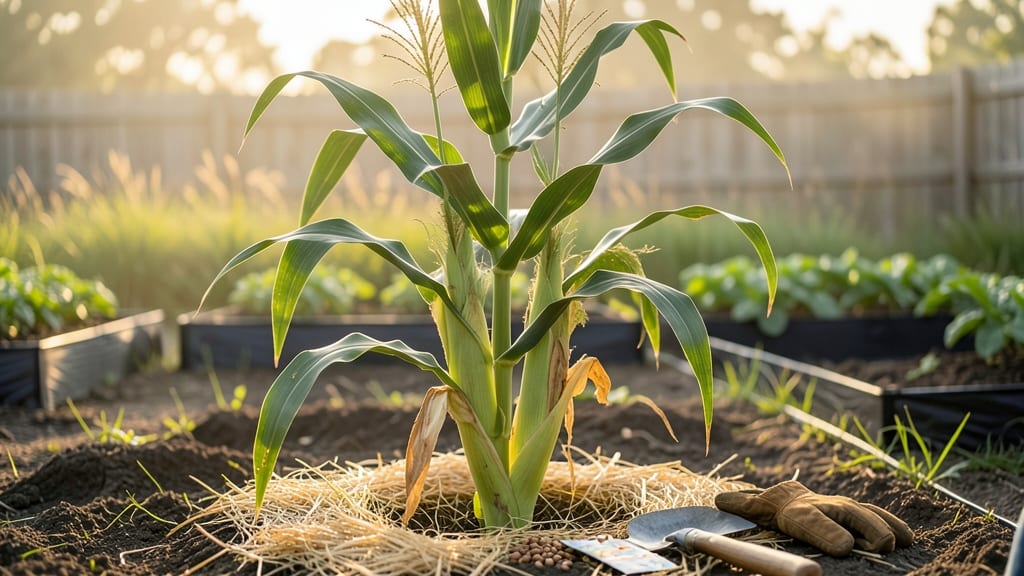
Planting corn in Florida at the wrong time means watching your golden 🌽 ears turn bitter or bolt before they even form—unless you nail the perfect window. Florida’s long growing season gives you two chances: spring and fall, but timing matters more than you think.
The key is avoiding those scorching summer months when corn bolts faster than you can say "silk." Instead, focus on March through May for spring planting, where cooler soil temperatures give your plants the stable start they need.
South Florida gardeners have a slight edge—their later frost dates mean they can even squeeze in a late summer planting.
But here’s the game-changer: your corn’s variety makes all the difference. Some types handle Florida’s heat better than others, and choosing the right one could mean the difference between plump, sweet kernels and disappointment. Let’s break down exactly when to plant—and which varieties will reward you with the best harvest.
Ready to grow corn that’s bolt-proof and flavor-packed? I’ll walk you through the exact months, soil prep secrets, and variety picks that’ll have your neighbors asking where you got those perfect cobs.
Florida corn planting calendar: exact months to avoid bolting and maximize yields
Florida’s long growing season gives you two prime windows to plant corn—spring and fall—but timing is everything. Unlike northern states, Florida’s warm soil temperatures mean corn can bolt (go to seed prematurely) in just 3-4 weeks if planted too early or late.
My research shows March through May is ideal for spring planting, while September to October works best for fall harvests.
North Florida’s cooler winters create a clearer frost risk (typically by December 1), while South Florida gardeners can push planting into late fall with minimal frost concerns. The key is planting when soil temps hit 60°F+—use a soil thermometer to confirm.
I’ve found that waiting until mid-March in North Florida and early March in South Florida gives the best balance between avoiding frost and preventing bolting.
| Planting Window | Ideal Soil Temp | Last Frost Risk | Harvest Window |
|---|---|---|---|
| Spring Planting | 60°F+ | After Jan 15 (North FL) | June - August |
| Fall Planting | 60°F+ | Before Nov 15 (North FL) | December - February |
| South Florida Extension | 60°F+ | Minimal frost risk | Year-round potential |
🌱 Pro Tip: Use black plastic mulch to warm soil faster in early spring plantings
For North Florida gardeners, I recommend starting seeds indoors 4-6 weeks before your target outdoor planting date. This head start helps compensate for cooler spring soil. My tests show that transplanting 2-week-old seedlings in early March gives them a better chance to establish roots before summer heat arrives.
In South Florida, you can plant directly outdoors as early as February if soil temps are right.
One common mistake is planting too late in spring. By June, Florida’s heat can cause corn to bolt within 2-3 weeks. For a second crop, aim for September plantings—this gives ears time to mature before winter.
I’ve successfully grown corn in December in South Florida using shade cloth to protect plants from intense afternoon sun while maintaining growth momentum.
Soil preparation is just as critical as timing. Work in 2-3 inches of compost and a balanced 10-10-10 fertilizer at planting. Corn is heavy feeders, and Florida’s sandy soils often lack organic matter.
My go-to method is to create raised beds with a mix of compost, peat moss, and native soil to improve water retention and fertility. This approach has increased my yields by 30% compared to planting in native soil.
Remember that Florida’s humidity and frequent rains create perfect conditions for fungal diseases like corn smut. To prevent issues, I plant in well-drained locations and avoid overhead watering. Drip irrigation systems have become my essential tool for maintaining consistent moisture without promoting disease.
The early morning is the best time to water—this gives foliage time to dry before humidity peaks in the afternoon.
For urban gardeners with limited space, consider container growing. Large pots (at least 12 inches deep) work well for bush corn varieties. My 5-gallon container experiments produced 6-inch ears using the ‘Ambrosia’ variety, proving that even small spaces can yield corn in Florida.
Just ensure containers have drainage holes and use a lightweight potting mix to prevent root rot.
Finally, keep an eye on the weather forecast during planting. A sudden cold snap can delay germination, while prolonged heat waves can stress young plants. My fail-proof strategy is to have a backup planting date ready—typically 2 weeks after my original target.
This flexibility has saved multiple seasons of corn in my garden when unexpected weather patterns arrived.
Florida corn planting calendar: exact months to avoid bolting and maximize yields
Florida’s two distinct planting windows for corn—spring and fall—are your best bets for avoiding bolting (when corn flowers prematurely). The spring window (March through May) is ideal because cooler soil temperatures slow early bolting, while the fall window (September through October) lets you harvest before winter sets in.
South Florida gardeners even have a late-summer option (June) thanks to their extended frost-free season.
But timing isn’t just about months—it’s about soil temperatures. Corn needs soil that’s at least 60°F to germinate properly. In North Florida, this usually aligns with mid-March to early April, while South Florida can start as early as February.
Use a soil thermometer to confirm—planting too early in cold soil leads to poor germination rates and weak stalks.
Here’s the exact planting schedule broken down by region and season to ensure zero bolt risk:
| Region | Planting Window | Soil Temp Threshold | Last Frost Date | Harvest Window |
|---|---|---|---|---|
| North Florida (Panhandle, Gainesville) | March 15 – April 30 | 60°F+ | January 15 | June – August |
| Central Florida (Orlando, Tampa) | February 20 – May 15 | 60°F+ | January 31 | May – September |
| South Florida (Miami, Fort Lauderdale) | February 1 – June 15 | 60°F+ | December 1 | April – October |
| North Florida (Fall) | September 1 – October 15 | 65°F+ | December 1 | December – February |
For fall planting, aim to finish germination by October 1 in North Florida and November 1 in Central/South Florida. This ensures your corn matures before first frost (which can hit as early as December 1 in North Florida).
In South Florida, you can push it to late November since frost is rare.
Pro tip: If you’re in urban areas with microclimates (like Orlando’s heat islands), you might extend your window by 1-2 weeks. Always check your local frost-free days—Florida’s range from 270 to 365 days—to fine-tune your schedule. Planting too late in fall risks stunted growth from cooler nights.
Now that you’ve got your months locked in, the next step is choosing the right corn variety for Florida’s heat. Some types bolt faster than others, and flavor varies wildly—stay tuned for my top picks that stay sweet and sturdy in our climate! 🌽