
Plants
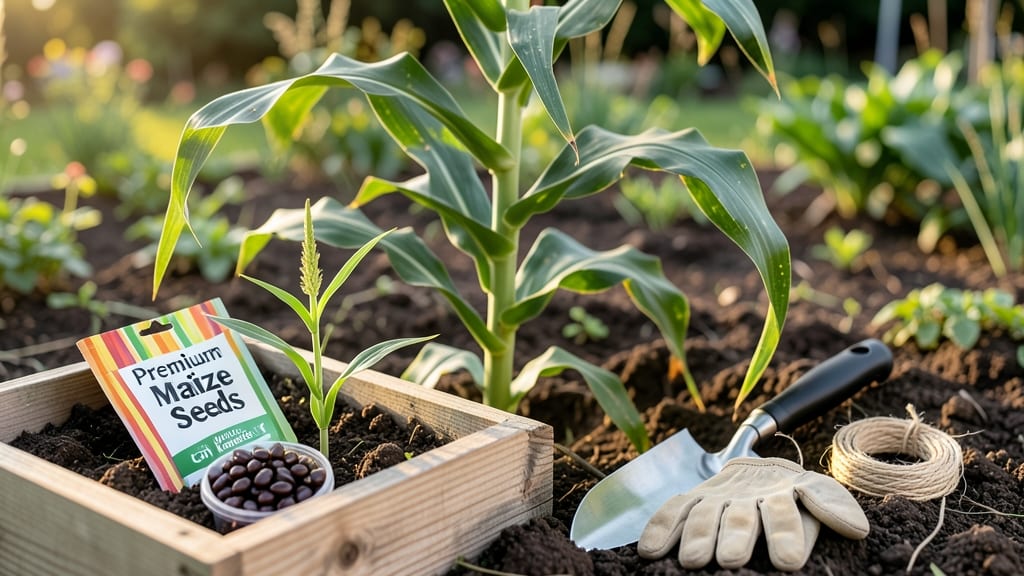
Planting corn in Kansas isn't just about checking a calendar—it's about timing it perfectly with soil temperatures that guarantee fast germination and strong yields. With Kansas' 5b-7a climate zones, getting this wrong could mean stunted plants or missed harvest windows.
Most gardeners in Kansas aim for mid-April to mid-May, but the real secret is waiting for soil to reach at least 50°F—that's when those seeds will spring to life in just 5-7 days. This window varies by year, so don't rely on tradition alone.
In this guide, I'll show you how to test soil temperatures like a pro, adjust for Kansas' unpredictable springs, and avoid common mistakes that sabotage growth. Whether you're planting in eastern Kansas' richer soils or western areas with drier conditions, these tips will help you get it right every time.
Let's dive into the exact methods that will have your 🌽 corn thriving from seed to harvest—without the guesswork. Your future dinner table will thank you!
Kansas corn planting dates by soil temperature zones
Corn thrives in Kansas when planted after the last frost date and when soil temperatures consistently reach 50°F (10°C) at 4-inch depth. This typically falls between mid-April and mid-May, but exact timing varies by region.
Eastern Kansas—like Kansas City—often plants 1-2 weeks earlier than western areas like Garden City, where colder nights delay germination.
Kansas spans USDA zones 5b-7a, meaning earlier planting is possible in southern zones (e.g., Wichita) compared to northern areas (e.g., Topeka). For example, sweet corn varieties like 'Silver Queen' need 75-90 days to mature, so planting too late risks harvest before frost.
Always align your corn variety with your local frost-free window.
Here’s how Kansas’ microclimates affect planting: River valleys (e.g., Kansas River) warm faster than upland plains, allowing earlier sowing. Conversely, western Kansas’ drier climate may require later planting to avoid drought stress.
Use a soil thermometer to confirm readiness—corn seeds won’t germinate below 50°F (10°C), even if frost risk is low.
🌽
| Kansas Region | USDA Zone | Optimal Planting Window | Soil Temp Trigger | Key Considerations |
|---|---|---|---|---|
| Southeast (Pittsburg) | Zone 6b-7a | Late March–early April | 50°F (10°C) at 4" | Longer growing season; watch for corn earworm. |
| Central (Topeka) | Zone 5b-6a | Mid-April–early May | 50°F (10°C) at 4" | Moderate frost risk; use row covers if early. |
| West (Garden City) | Zone 5b-6a | Late April–mid-May | 55°F (13°C) at 4" | Drier soil; irrigate for germination. |
| Northeast (Emporia) | Zone 5b-6a | Early April–late April | 50°F (10°C) at 4" | Higher humidity; monitor for fungal diseases. |
For successive planting, stagger seeds every 10-14 days until June 1st to extend harvest. This works best in southern Kansas, where the growing season is longer. In northern areas, limit replanting to May to avoid late-season pests like corn rootworm, which thrive in warm soil.
Pro tip: Check the Kansas State University Extension frost calendar annually—last frost dates can shift by 1-2 weeks due to climate variability. For example, 2023’s early spring allowed Topeka growers to plant 2 weeks ahead of the 10-year average.
Always adjust for your microclimate, not just the regional norm.
If you’re unsure about your local conditions, plant test rows in early April and monitor germination. Corn seeds typically sprout in 7-14 days at optimal temperatures, but cold, wet soil can delay this by 2-3 weeks, leaving plants vulnerable to damping-off disease.
Use warmth blankets or black plastic mulch to speed up soil warming in cooler zones.
🌡️
Remember: Corn is sensitive to temperature swings. Planting too early in western Kansas risks frost damage to young shoots, while late planting in eastern Kansas may result in immature ears before frost.
Aim for 75% of your plants to emerge within 10 days of sowing—this ensures uniform growth and better pollination. If germination is uneven, thin seedlings to 12 inches apart to reduce competition.
For drought-prone areas, choose drought-tolerant varieties like 'Pioneer Brand 39F33' and plant in
Kansas corn planting dates by soil temperature zones
Kansas' variable spring weather means planting corn at the right time can make or break your harvest. Unlike many crops, corn thrives when soil temperatures consistently stay above 50°F (10°C) at a depth of 1 inch.
In Kansas, this typically aligns with mid-April to mid-May, but your exact timing depends on your USDA zone (5b-7a) and local microclimate.
Eastern Kansas—especially areas like Kansas City and Topeka—usually warms up faster, allowing for earlier planting (late April). Meanwhile, western regions like Garden City or Colby often wait until early May to avoid late frosts.
The key is soil temperature, not air temperature, which can fool gardeners into planting too soon.
| Zone/Region | Optimal Planting Window | Soil Temp Trigger | Last Frost Risk |
|---|---|---|---|
| Eastern KS (5b-6a) | Late April | 50°F+ (10°C) at 1" | Low (avg. April 10) |
| Central KS (6a-6b) | Early to mid-May | 55°F+ (13°C) at 1" | Moderate (avg. April 20) |
| Western KS (7a) | Mid-May | 60°F+ (16°C) at 1" | High (avg. May 5) |
For successive planting (to extend harvest), space out sowings every 2-3 weeks until early June. This works best in eastern Kansas where summers are longer. In western Kansas, focus on one main planting to avoid late-season frost risks.
Always check your local Kansas State University Extension frost date maps for real-time adjustments.
Pro tip: If you're unsure about soil temps, use a soil thermometer for 3-5 days to confirm consistency. Corn seeds won't germinate below 50°F (10°C), and waiting for stable warmth prevents seed rot and uneven sprouting. Patience here pays off with stronger stalks and higher yields.
Remember, Kansas' drought-prone conditions mean well-timed planting isn't just about temperature—it's also about ensuring your corn has enough moisture to establish roots before summer heat arrives. Aim to plant when you've had consistent rainfall or plan to irrigate immediately after sowing.
🌽