
Plants
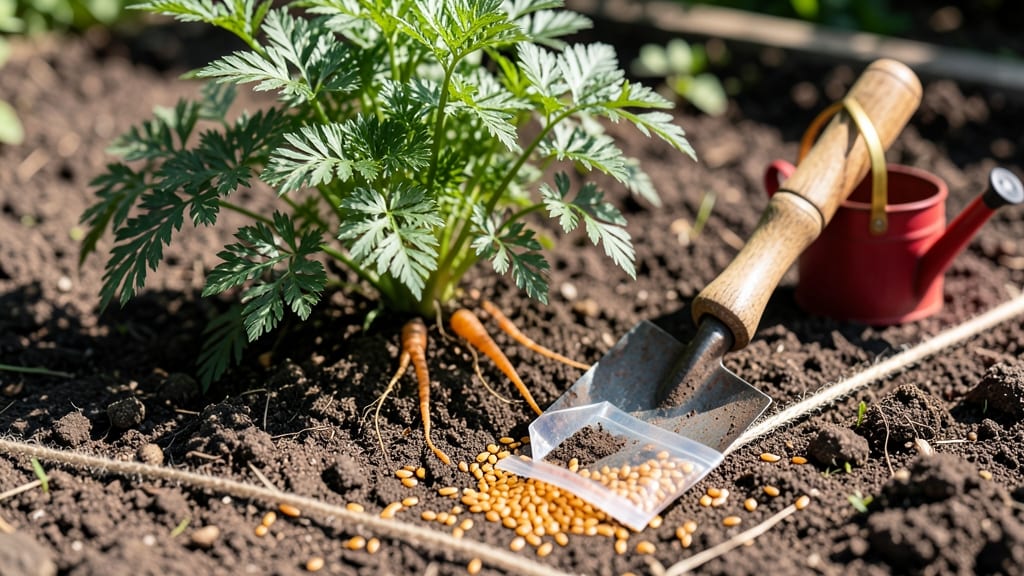
Timing your carrot planting in Central Florida can feel like solving a puzzle—too early, and pests take over; too late, and your 🥕 bolt before you even taste them.
The key? Understanding your soil’s hidden triggers, like temperature shifts that turn your garden into a carrot-growing goldmine (or a frustrating experiment).
Most gardeners here focus on September-October or February-March, but those windows aren’t one-size-fits-all. Coastal areas might push back planting by weeks, while inland spots can stretch the season longer.
I’ll break down the exact soil temps that keep your carrots sweet and bolt-free, plus how to work around Central Florida’s quirks—like those stubborn summer heatwaves or sudden winter chills.
You’ll also discover why fall planting is your secret weapon for avoiding pests and why spring carrots need extra care to beat bolting. Spoiler: It’s not just about the calendar—it’s about reading your soil like a pro. Let’s get those roots growing the right way.
Ready to ditch the guesswork? By the end, you’ll know exactly when to plant for crisp, homegrown carrots—no more bitter surprises or wasted seeds. Let’s make this your most successful carrot season yet.
Best planting months for carrots in Central Florida based on soil temperature
Central Florida’s mild winters and hot summers create a unique challenge for growing carrots. Unlike cooler climates, you can’t plant them just once a year—timing your sowing around soil temperatures is key to avoiding bolting (premature flowering) and forked roots.
The ideal window focuses on fall and spring, when temperatures stay between 55°F and 75°F, giving your carrots the perfect environment to develop sweet, straight roots.
In Central Florida (USDA Zones 9a-10a), the last frost date is mid-January, and the first frost (rare but possible) hits mid-December. This means you have a 300-day frost-free window, but heat and humidity can stress carrots if planted at the wrong time.
The best months to plant are September-October for fall and February-March for spring, aligning with cooler temperatures and lower pest pressure.
Here’s the science behind why these months work best: Carrots thrive in cool soil (below 75°F) but won’t germinate in soil hotter than 85°F. Summer planting (June-August) often leads to bolting due to rising temperatures, while winter planting (December-January) risks slow growth or rot from saturated soil.
Sticking to the fall and spring windows ensures you bypass these pitfalls and harvest crisp, sweet carrots.
For fall planting, aim to sow seeds 8-10 weeks before your first frost (mid-December). This gives carrots enough time to mature before temperatures drop. In Central Florida, September is the sweet spot: soil stays warm enough for germination but cools as roots develop.
If you plant in late August, use shade cloth to protect seedlings from intense afternoon sun, which can cause soil to overheat.
Spring planting requires patience. Carrots grow slowly in cool soil, so don’t rush to plant in January—wait until February when soil temperatures rise above 60°F.
A soil thermometer is your best friend here; if the soil is below 55°F, germination will be sluggish. March plantings can work if you’re in a cooler microclimate (like higher elevations), but inland areas may see bolting by April.
If you’re determined to grow carrots in summer, choose heat-tolerant varieties like 'Bolero' or 'Solar Yellow' and plant in early June. Success hinges on consistent moisture and shade cloth to keep soil temps below 80°F.
Without these precautions, your carrots will bolt within weeks, turning bitter and woody. Summer carrot growing is possible but challenging—only attempt it if you’re prepared for extra care.
Pro tip: Test your soil temperature before planting. Stick a soil thermometer 2 inches deep—this is where carrot seeds germinate. If it’s above 85°F, wait a few weeks or use shade cloth.
For fall plantings, a soil temp of 60-70°F is ideal, while spring plantings thrive in 65-75°F soil. Adjust your
Best planting months for carrots in Central Florida based on soil temperature
Central Florida’s USDA Zones 9a-10a create a unique challenge for growing carrots—too early, and you’ll face pests like wireworms; too late, and your carrots will bolt prematurely from heat stress.
The key is planting when soil temperatures stay between 55-75°F, which triggers steady root growth without triggering the plant’s flowering response.
For fall planting, aim for September-October when daytime highs drop below 85°F and nights cool to 65°F or lower. This window gives carrots 60-70 days to mature before winter slows growth.
Spring planting should start in February-March, once soil warms above 60°F consistently—typically after the last frost risk in mid-January.
Soil temperature is more critical than air temperature for carrots. Use a soil thermometer to verify conditions before planting. In Central Florida’s humid climate, soil can stay warm longer than expected, so don’t rush spring plantings—wait until late February at the earliest for reliable results.
🌱 Central Florida Carrot Planting Timeline
| Season | Best Planting Month | Soil Temp Range (°F) | Harvest Window | Key Considerations |
|---|---|---|---|---|
| Fall | September-October | 55-70°F | November-December | Avoid planting after October 15th to prevent bolting before harvest. |
| Spring | February-March | 60-75°F | April-May | Wait until soil warms above 60°F consistently; use shade cloth if planting in March. |
| Summer (Risky) | June-July | 70-80°F (max) | Limited success | Only attempt with heat-tolerant varieties and 50% shade cloth. |
If you’re eager to try summer carrots, focus on short-day varieties like ‘Scarlet Nantes’ and provide afternoon shade to keep soil temps below 80°F. Mulch heavily with straw or wood chips to insulate roots from heat spikes, which can cause bitter flavors or forked roots.
Pro tip: Succession plant every 2-3 weeks during your chosen season to ensure a continuous harvest. For example, plant a 10-foot row every 14 days in September for fresh carrots through December. This also reduces pest pressure by staggering plant maturity.
Monitor your garden for carrot rust fly and wireworms, which thrive in Central Florida’s warm winters. Use row covers in late fall or early spring if these pests are a recurring issue in your area. 🥕