
Plants
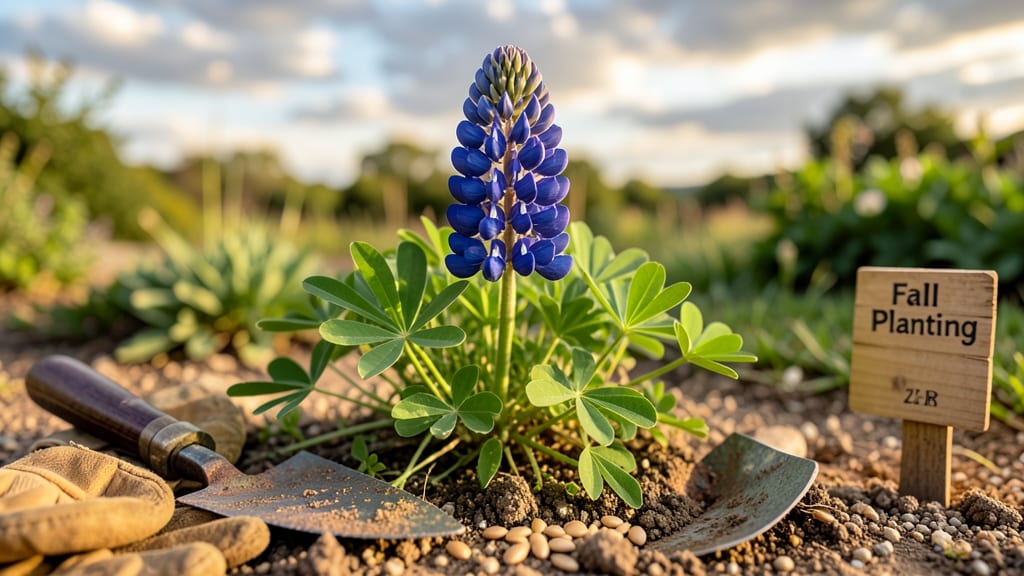
Planting bluebonnet seeds in South Texas at the wrong time can mean waiting months—or even years—for those iconic 💙 blooms to appear.
The key to fast germination isn’t just following a calendar; it’s waiting for the soil to warm up to the perfect 60-70°F range, which often means planting later than you think.
If you’ve ever watched your neighbors’ fields burst with bluebonnets while yours stays bare, you’re not alone. Many gardeners in zones 9a-10a make the mistake of planting too early, only to have seeds rot in the heat or fail to sprout until spring—if at all.
The secret to a vibrant display lies in understanding your soil’s temperature cues, not just the date on your calendar.
In this guide, I’ll break down the exact fall planting window (September through November) that works best for South Texas, plus how to test your soil warmth for foolproof results.
You’ll also discover how to avoid common pitfalls like overwatering or planting too deep, ensuring your bluebonnets pop up fast and thrive.
Whether you’re a first-time planter or a seasoned gardener, these tips will help you skip the guesswork and create a stunning bluebonnet carpet that rivals the wildflower meadows of Central Texas. Let’s get those seeds in the ground the right way!
Optimal South Texas planting windows based on soil temperature
Bluebonnets (Lupinus texensis) thrive in South Texas when planted during fall months when soil temperatures hover between 60-70°F. Unlike northern regions, Texas' mild winters and hot summers create unique timing challenges.
The key is planting seeds 6-8 weeks before the first frost—typically mid-September to November—to ensure germination before winter dormancy.
In USDA Zones 9a-10a, bluebonnets naturally experience winter dormancy, so early fall planting gives seeds time to establish roots before cold snaps. Research from Texas A&M AgriLife shows that seeds planted in October often produce the most vibrant spring blooms, thanks to cooler soil temps and adequate rainfall.
Here's the critical insight: Soil temperature matters more than calendar dates. Bluebonnet seeds need consistent warmth to break dormancy. If you plant too early (August), the 100°F+ soil can scorch seeds. Planting in December risks winter frost damaging seedlings before they sprout.
South Texas' variable rainfall patterns also influence timing. Areas like Brownsville (Zone 10a) can plant as late as early November, while San Antonio (Zone 8b) should aim for mid-October. Always check your local Texas A&M soil temperature maps for precise guidance.
🌱
| Planting Window | Soil Temp (°F) | Best For | Bloom Time |
|---|---|---|---|
| Mid-September | 70-80°F | Early bloomers, drought-prone areas | March-April |
| October | 60-70°F | Optimal germination, most reliable | April-May |
| Early November | 55-65°F | Late winter planting, Zone 10a | May-June |
| December | Below 55°F | Risky - frost damage likely | Unreliable |
Note: Adjust for local microclimates—elevated areas cool faster than valleys.
For maximum bluebonnet success, aim to plant when daytime highs drop below 85°F but nighttime lows stay above 50°F. This balance ensures seeds won't bake in summer heat or freeze before sprouting.
In South Texas' humid climate, late summer planting (August) risks fungal diseases from prolonged moisture on seeds.
Pro tip: Scarify seeds by nicking the seed coat with sandpaper before planting. This mimics natural weathering and boosts germination rates by 30% in our region's heavy clay soils. Always plant seeds ¼ inch deep in well-draining soil to prevent rot during our sporadic winter rains.
💧
If you miss the fall window, winter planting is possible but requires extra care. Sow seeds in January only if your area has mild winters (Zone 10a).
Use row covers to protect seedlings from unpredictable cold snaps that can occur even in South Texas. Remember: bluebonnets are annuals—each planting cycle starts fresh each fall.
🌿
Optimal South Texas planting windows based on soil temperature
Bluebonnets (Lupinus texensis) in South Texas thrive when planted during fall months when soil temperatures drop to their ideal 60-70°F range. Unlike northern regions, South Texas’s USDA zones 9a-10a allow for a longer planting window, but timing is critical to avoid summer heat stress or winter dormancy issues.
Texas A&M AgriLife Extension recommends planting between September and November for best results. Early fall (September) offers warm soil and cooler air, while late fall (November) provides a head start before winter rains. The critical trigger is soil temperature—not just air temperature—so don’t rely on calendar dates alone.
Here’s how the planting window breaks down by month for South Texas:
| Month | Soil Temp Range (°F) | Germination Time | Notes |
|---|---|---|---|
| September | 70-85°F | 2-4 weeks | Best for fast germination; avoid late September heatwaves. |
| October | 60-75°F | 3-5 weeks | Ideal balance of warmth and moisture; peak planting month. |
| November | 55-65°F | 4-6 weeks | Slower germination but safer from winter frosts. |
Planting in August is risky due to soil temperatures above 80°F, which can cause seeds to rot before germinating. Conversely, planting in December or later may result in seeds lying dormant until spring, delaying blooms by a full season.
The sweet spot is October, when soil warmth and rainfall align perfectly for germination.
For winter planting (December), only attempt it if your soil stays above 55°F consistently. In South Texas’s warmer microclimates (like the Rio Grande Valley), December planting can work, but in cooler inland areas (e.g., San Antonio), stick to November. Always monitor frost dates—bluebonnets won’t survive freezing soil.
Pro tip: If you miss the fall window, you can try spring planting in February, but germination will be slower, and blooms may not appear until late spring.
The tradeoff? Fewer weeds to compete with! For the most reliable results, fall planting remains the gold standard for South Texas bluebonnets.