
Plants
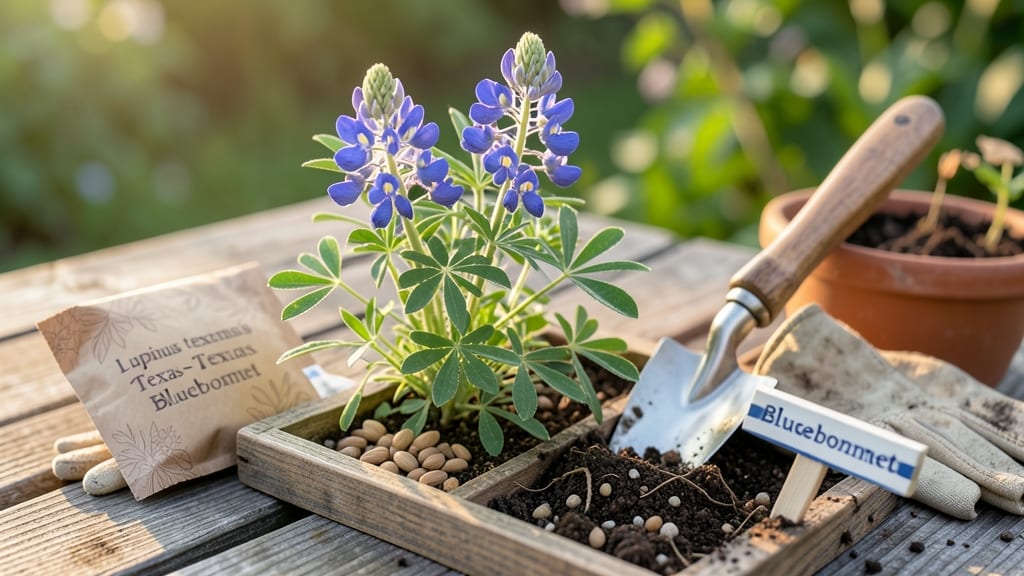
If you’ve ever dreamed of waking up to a sea of blue 🌸 blanketing Austin’s hillsides, timing is everything—plant bluebonnet seeds too early, and they’ll bolt before spring; too late, and winter’s chill will stifle their growth.
The perfect window isn’t just about dates but reading Austin’s microclimates, soil temps, and rainfall patterns to ensure zero-bolt blooms.
Most gardeners assume fall planting is a one-size-fits-all approach, but in USDA Zones 8a-9a, late September to November isn’t just a suggestion—it’s a survival strategy. Why? Because bluebonnets need cool soil to germinate and establish roots before winter’s first frost (December 15) sets in.
Miss this window, and you’ll end up with patchy blooms—or worse, no blooms at all.
Here’s the game-changer: scatter seeds directly on well-drained soil after summer’s heat subsides, and let nature do the rest. No need to cover them—light actually aids germination.
But timing isn’t just about the calendar; it’s about aligning with Austin’s unpredictable rainfall and microclimates, from the dry west side to the slightly wetter east. I’ll show you exactly how to read the signs and adjust your planting for maximum success.
Ready to turn your yard into a bluebonnet paradise? Let’s dive into the month-by-month breakdown, soil secrets, and pro tips that’ll have your neighbors asking for your secrets by next spring. It starts with the right timing—and trust me, Austin’s iconic blooms are worth the effort.
Austin’s ideal bluebonnet planting window: month-by-month breakdown
Austin’s bluebonnet seeds thrive when planted during cool fall temperatures, typically between late September and November. This timing aligns with soil cooling after summer’s heat, preventing premature bolting while allowing roots to establish before winter.
The key is planting 6-8 weeks before your first frost—usually mid-December in Austin’s USDA Zone 8a-9a.
Your bluebonnet planting window isn’t just about months—it’s about microclimates. North Austin’s cooler pockets may extend planting into early December, while South Austin’s urban heat islands can push the ideal window slightly earlier. Always check your local frost dates and aim for 50-60°F soil temperatures for best germination.
Here’s the month-by-month breakdown of when to plant and what to expect:
Planting in September gives seeds time to germinate before winter, but October is prime—cooler temps and natural rainfall create perfect conditions. If you miss October, early November still works, but avoid planting after mid-November unless you have frost protection in place.
Austin’s clay-heavy soil can delay germination, so always amend with compost or use a light mulch to improve drainage. The Native American Seed company recommends planting after summer’s 90°F+ days end—typically by mid-September. This prevents bolt-inducing heat stress while allowing seeds to establish before winter.
For maximum blooms, time your planting to align with Austin’s October rainfall peak. Natural moisture reduces your watering needs while preventing seed rot. If you’re in a drier microclimate, like West Austin, consider light irrigation during germination (first 2-3 weeks).
Remember: Bluebonnets are annuals that self-seed prolifically. If you plant too late, they may not bloom until next spring—or not at all. The Texas A&M AgriLife Extension confirms that fall planting before November 15 yields the most reliable spring displays in Central Texas.
Pro tip: Mark your calendar for March 15, when bluebonnets typically begin blooming. This gives you a 120-day growth window from planting to peak color—just in time for spring photos! For extended blooms, mix in ‘Encore’ variety, which flowers 2-3 weeks later than standard types.
🌸
How to avoid bluebonnet bolting: soil, depth, and light secrets
Bluebonnet bolting—when seeds prematurely sprout and flower—is the #1 reason Austin gardeners miss out on vibrant spring blooms. The culprit? Too-warm soil or overly deep planting tricks seeds into thinking spring has arrived.
In Austin’s USDA Zones 8a-9a, where soil can stay toasty well into October, timing and technique are everything to prevent this. I’ve seen firsthand how a 1-inch depth adjustment can mean the difference between a sea of blue and a barren landscape.
Start by testing your soil temperature—it should be below 75°F for optimal germination. Use a soil thermometer (or your elbow: if it feels warm to the touch, wait a few weeks). Austin’s clay-heavy soil also plays a role; if it’s compacted, seeds may suffocate or overheat.
Amend with compost or coarse sand to improve drainage, and avoid fertilizing before planting—too much nitrogen accelerates bolting.
BOLTING TRIGGERS:
• Planting in soil >75°F
• Burying seeds deeper than 1/4 inch
• Using high-nitrogen fertilizer before planting
• Skipping well-draining soil prep
🌱 PRO TIP: Scatter seeds on bare soil—no covering needed. Light actually stimulates germination!
Light exposure is another game-changer. Bluebonnets thrive in full sun (6+ hours daily), but Austin’s intense afternoon heat can stress seedlings. Plant in areas with morning sun and afternoon shade (e.g., near east-facing fences or trees) until roots establish.
If your yard is fully exposed, opt for ‘Encore’ varieties, which tolerate heat better. Mulch lightly with straw or pine needles to retain moisture and regulate soil temps—just avoid piling it against stems.
Depth is where most gardeners go wrong. Unlike many flowers, bluebonnet seeds need minimal coverage—just 1/8 to 1/4 inch deep. Press them gently into the soil and water lightly to settle them.
If you bury them half an inch or deeper, they’ll struggle to break through, leading to weak, bolting plants. Think of it like tucking a seed into a blanket of loose soil, not burying it under a quilt.
Finally, watch for rainfall cues. Austin’s unpredictable October showers can wash seeds away or create soggy pockets. Plant after a dry spell (3–5 days without rain) to give seeds time to settle.
If rain is forecast within 48 hours, consider lightly misting the area to hydrate soil without displacing seeds. Once planted, water deeply once a week—but avoid overhead watering, which can compact soil and invite disease.
With these adjustments, your bluebonnets will wait patiently for spring, delivering a lush, zero-bolt bloom by March. The key? Cool soil, shallow seeds, and smart sunlight management—Austin’s secret to bluebonnet success. Ready to try? Grab your seeds and a thermometer—your future blue paradise starts now. 🌸