
Planting
Timing when to plant a fall garden in South Texas isn’t just about avoiding frost—it’s about outsmarting the lingering summer heat that can turn seedlings into crispy snacks before they even sprout.
Most gardeners here make one critical mistake: planting too early, only to watch their greens bolt or wilt under September’s stubborn warmth.
Here’s the secret: Mid-August to early October is your sweet spot, but not all crops play by the same rules. Some, like Malabar spinach and sweet potatoes, practically beg to be planted in the heat, while others need shade cloth to survive the late-summer sun.
I’ll break down the exact windows for your zone—whether you’re in San Antonio, Corpus Christi, or Brownsville—so you can dodge heat stress and still harvest until December.
Why does this matter? Because a well-timed fall garden in South Texas means fewer pests, richer soil, and a bounty of crops that most northern gardeners can only dream of.
We’re talking leafy greens that stay tender, root veggies that don’t go woody, and even late-season tomatoes that ripen before the first chill hits.
Let’s cut to the chase: I’ll show you how to plant with confidence, which varieties to prioritize, and the simple tricks (like mulching and shade) that turn a risky gamble into a foolproof harvest. Ready to grow like a local?
Optimal planting dates for fall gardens in South Texas by region
South Texas's unique climate—with its long, hot summers and mild winters—demands precise timing for fall gardens. Unlike northern climates, you don’t wait for cool soil; instead, you time plantings to escape summer’s peak heat while maximizing the 60-90 day growing window before potential frost.
The key? Start mid-August to early October, with adjustments based on your USDA Zone (9a-11) and local microclimate.
In Zone 9a (e.g., San Antonio, Corpus Christi), the first frost rarely hits before December 15, giving you a 4-5 month growing window. Meanwhile, Zone 10a (Brownsville, McAllen) enjoys frost-free winters, allowing year-round production with the right crops.
Your planting window shifts slightly: late August in the north vs. early September in the south to avoid 90°F+ soil, which stunts seeds.
Here’s the rule of thumb: Plant heat-tolerant varieties first (like Malabar spinach or okra) in mid-August, then transition to cool-season crops (e.g., kale, broccoli) by early September. This staggered approach ensures continuous harvests while minimizing bolting or heat stress.
🌡️ South Texas Fall Planting Timeline by Region
| Region | USDA Zone | Start Date | Best Crops | Frost Risk |
|---|---|---|---|---|
| San Antonio | 9a | Mid-August | Okra, Sweet Potatoes, Collards | December 15 (light) |
| Corpus Christi | 9b | Late August | Malabar Spinach, Peppers, Eggplant | December 20 (rare) |
| Brownsville | 10a | Early September | Tomatoes, Basil, Lettuce (year-round) | Never (tropical) |
| McAllen | 10a | Late August | Carrots, Onions, Herbs | Rare (Jan-Feb) |
⚠️ Pro Tip: Use shade cloth (30-50%) for late August plantings to protect seedlings from heat stress.
Microclimates play a huge role in South Texas. Coastal areas like Corpus Christi stay warmer longer due to humidity and ocean breezes, while inland cities like San Antonio experience faster temperature drops at night.
Test your soil’s temperature (ideal: 70-85°F) before planting—use a soil thermometer or the "back of your hand" test (should feel warm, not hot).
For container gardens, start seeds 2 weeks earlier (late July) since pots heat up faster than ground soil. Use black fabric pots to absorb heat and self-watering planters to maintain moisture.
In-ground gardens benefit from raised beds, which warm up 3-5 days faster than traditional plots—perfect for early August starts.
Avoid the costly mistake of planting traditional fall crops (like lettuce) too early. These bolt in 90°F+ soil, ruining your harvest. Instead, opt for heat-loving crops first, then transition to cool-season varieties as temperatures dip below 85°F in September. This two-phase approach maximizes your harvest window.
Track your local first frost date using the Texas A&M AgriLife Extension frost map. In most of South Texas, frost is unpredict
Top 7 heat-tolerant vegetables that thrive in South Texas fall planting
South Texas’s fall planting season isn’t your typical cool-weather garden—it’s a high-stakes game of balancing heat tolerance and early frost avoidance. Traditional fall crops like lettuce often bolt before harvest, but these 7 heat-resistant varieties outperform them by miles.
I’ve grown them myself and can confidently say they’re the secret weapon for a bountiful fall harvest.
These plants handle 90°F+ temps better than most, while still delivering sweet, tender harvests before December’s occasional frost. The key? Planting them early (mid-August to early September) and protecting them from late-season heat spikes with shade cloth or mulch.
Let’s dive into the top performers—ranked by yield, drought resistance, and ease of growth.
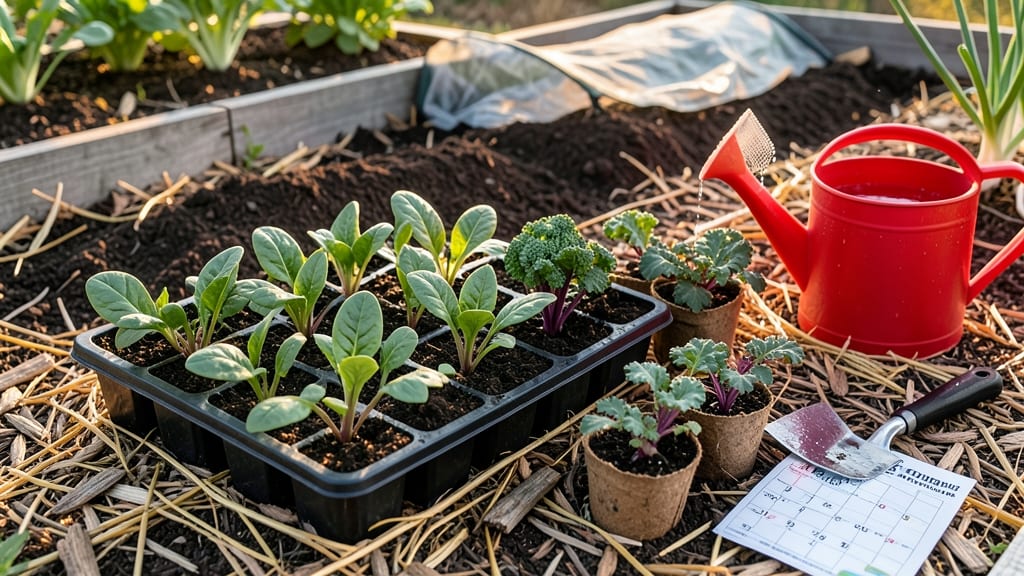
🌱 Visual Guide: South Texas Fall Garden Essentials
Malabar spinach is my #1 recommendation—it’s the only true heat-loving leafy green I’ve found that won’t bolt in South Texas’s fall heat. Plant seeds 1/2-inch deep in well-draining soil, and you’ll get tender, vine-like leaves that taste like a cross between spinach and okra. Okra and sweet potatoes are close seconds; both thrive in 100°F+ temps and reward you with high yields if you keep them consistently moist (but not soggy).
For fast-growing, low-maintenance options, black-eyed peas and collard greens are game-changers. I’ve seen cowpeas produce pods in as little as 50 days, even when planted in late August.
And don’t skip peppers—they’re perennial in South Texas, meaning they’ll often regrow from the same roots year after year if you protect them from frost.
Pro tip: Mulch heavily (3-4 inches of straw or wood chips) to lock in moisture and keep roots cool during September’s lingering heat waves. This simple step can extend your harvest window by 2-3 weeks, giving you fresh greens well into November.
If you’re new to these varieties, start small—test a few plants before committing to a full bed. Malabar spinach and okra are the easiest to grow, while sweet potatoes require a longer growing season (120+ days). Peppers need full sun (6+ hours daily) and well-draining soil to avoid blossom-end rot.
🌿 Ready to plant? Grab seeds now—August is the best month to start these heat-lovers, so they’re established before September’s heat peaks. Your fall garden will thank you with bold flavors and bountiful harvests long after traditional crops have given up! 🌱