
Plants
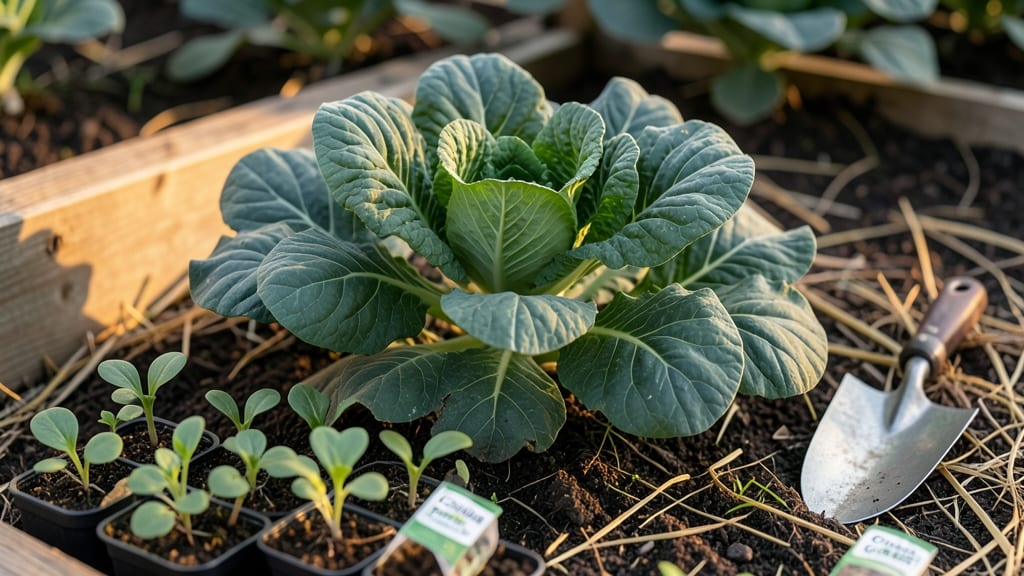
If you're dreaming of a bountiful harvest of tender, flavorful 🥬 collard greens in Tennessee, timing your planting is the key to success. Planting collard greens at the wrong time can leave you with bitter leaves or stunted growth, especially when balancing Tennessee's diverse climate zones.
Tennessee's mild winters and long growing season make it perfect for growing collard greens, but understanding your specific region's frost dates is crucial.
Whether you're in the mountains of East Tennessee, the valleys of Middle Tennessee, or the humid plains of West Tennessee, knowing when to plant can mean the difference between a thriving garden and a disappointing one.
In this guide, I'll walk you through the optimal planting windows for both spring and fall cycles, tailored to Tennessee's USDA zones 6a-7b. You'll discover how to maximize your yield by aligning your planting schedule with frost-free dates and ideal soil temperatures.
From extending your growing season with practical strategies to choosing the best varieties for your region, you'll gain all the insights needed to grow collard greens that are both abundant and delicious. Let's get started on your path to a successful harvest.
Tennessee’s frost-free zones: best planting months by region
Tennessee’s diverse climate—from the Appalachian highlands in the east to the Mississippi River Valley in the west—means collard green planting times vary dramatically. Understanding your USDA hardiness zone (6a-7b) and local last frost dates is key to avoiding bitter leaves or frost damage.
Let’s break down the ideal planting windows for each region to maximize your harvest.
In East Tennessee (USDA zones 6a-7a), where frost lingers longer due to higher elevations, aim to plant collard greens 4-6 weeks before your first frost—typically late August to early September for a fall harvest.
For spring planting, wait until mid-April when soil temperatures consistently stay above 45°F. The cooler climate here actually favors collards, which thrive in mild winters.
For Middle Tennessee (USDA zones 7a-7b), including Nashville and the Cumberland Plateau, your last frost date usually falls around April 15. This gives you two ideal planting windows: March 15-April 15 for spring and August 15-September 15 for fall.
The longer growing season here allows for a second harvest before the first frost in mid-October.
West Tennessee’s humid subtropical climate (USDA zones 7a-8a) near Memphis means you can plant collard greens as early as February for a spring harvest. For fall, August 1-September 15 is ideal, with first frosts arriving later (often November 1).
This region’s warmer winters also allow for overwintering collards, extending your harvest into early spring.
| Region | USDA Zone | Spring Planting Window | Fall Planting Window | Last Frost Date | First Frost Date |
|---|---|---|---|---|---|
| East Tennessee | 6a-7a | Mid-April to May 1 | Late August to Sept 15 | Mid-April | Mid-October |
| Middle Tennessee | 7a-7b | March 15-April 15 | August 15-Sept 15 | April 15 | Mid-October |
| West Tennessee | 7a-8a | February-March 15 | August 1-Sept 15 | February-March | November 1 |
Soil temperature is just as critical as air temperature. Collard greens germinate best in soil that’s at least 45°F, but they grow fastest when soil stays above 60°F.
Use a soil thermometer to check before planting—especially in East Tennessee’s cooler springs. If your soil is too cold, wait 1-2 weeks for faster germination and stronger seedlings.
For a fall harvest, plant 60-75 days before your first frost to ensure mature leaves before cold sets in. In West Tennessee, this might mean harvesting in December, while East Tennessee gardeners should aim for October-November harvests.
The flavor actually improves after a light frost, making fall-planted collards a Tennessee garden favorite.
Pro tip: Use NOAA’s Frost/Freeze Tool to pinpoint your local frost dates. Enter your ZIP code for precise planting windows tailored to your microclimate—especially important in mountain valleys or urban heat islands where frost patterns differ from regional averages.
If you’re in Zone 6a (e.g., Johnson City or Bristol), err on the side of later spring plantings to avoid late frosts. Meanwhile, Zone 8a gardeners in Memphis can push early spring plantings into January for an early harvest.
Always check your local extension office for year-to-year variations in frost dates.
Remember: Collard greens are cool-season crops that thrive in Tennessee’s mild winters. With the right timing, you can enjoy fresh leaves from late summer through winter, even when other vegetables fade. Start with these regional guidelines, then adjust based on your microclimate and past frost experiences.
How to extend collard green season in Tennessee’s unpredictable climate
Tennessee’s unpredictable frost dates can make growing collard greens challenging, but with the right strategies, you can extend your harvest window by weeks—or even months. I’ve learned that row covers and succession planting are my secret weapons for beating early or late frosts, especially in USDA zones 6a-7b.
The key is understanding your local frost patterns. Check the NOAA frost probability maps for your county, or ask local gardeners at your extension office. For example, East Tennessee’s higher elevations (like Knoxville) often see frost 2-3 weeks earlier than Nashville or Memphis, so adjust your timing accordingly.
If frost threatens after planting, cover seedlings immediately with floating row covers or old bedsheets. Even a light frost (28°F) can damage young collards, while mature plants tolerate 20°F with protection. Remove covers during the day to prevent overheating.
For fall planting, aim to sow seeds 8-10 weeks before your first frost date. In West Tennessee (like Memphis), this means mid-August to early September, while East Tennessee (like Chattanooga) may need to start late July to August.
Use cold-hardy varieties like 'Vates' or 'Blue Max' for better frost tolerance.
Succession planting is another game-changer. Instead of one big planting, sow small batches every 2-3 weeks from late summer to early fall. This ensures a continuous harvest and reduces the risk of losing your entire crop to a sudden frost.
I’ve found that staggered plantings also help manage pests naturally.
If you’re starting seeds indoors, begin 4-6 weeks before your last frost date (typically mid-March for most of Tennessee). Harden off seedlings for 7-10 days before transplanting to 40°F soil or warmer. Use black plastic mulch to warm the soil faster in cooler regions like East Tennessee.
Finally, don’t forget to harvest before hard frosts. Collard greens actually taste sweeter after a light frost, but avoid harvesting when temps drop below 25°F. Cut leaves at the base or harvest outer leaves first to keep the plant producing.
With these tips, you can enjoy fresh collards from late summer through winter—even in Tennessee’s fickle climate! 🌿