
Planting
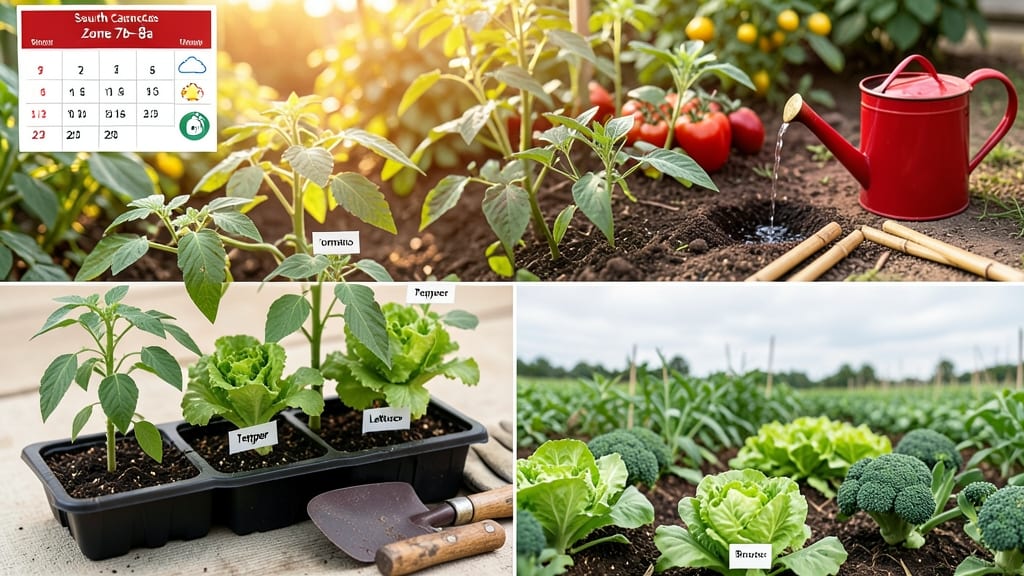
Planting your garden at the right time in South Carolina can mean the difference between a bumper crop and a sad, wilted disappointment. Knowing when to plant a garden in South Carolina isn't just about checking a calendar—it's about understanding your county's unique frost patterns and soil conditions. Whether you're dreaming of crisp spring lettuce or juicy summer tomatoes, getting the timing wrong can leave you frustrated and hungry.
Most gardeners in zones 7b-8b know that late February through early April is the prime window for cool-season crops like broccoli and spinach, while warm-season favorites like peppers and squash wait until after the last frost—usually mid-March but sometimes later.
But here's the catch: coastal areas like Charleston have different frost dates than the piedmont, where Greenville gardeners might plant a week earlier without risking frost damage.
I've spent years perfecting my own garden schedule, and I can tell you—there's no one-size-fits-all answer. That's why I'm breaking down the exact planting windows for your county, so you can avoid common mistakes like bolting lettuce or stunted tomatoes.
Let's dive into the specifics so you can start planting with confidence and watch your 🌱 garden thrive all season long.
From extending your growing season with row covers to choosing the right varieties for your microclimate, this guide will give you the tools to plant at the perfect time—no more guesswork, just bountiful harvests. Ready to turn your garden dreams into reality? Let's get started.
South Carolina last frost dates by county: your planting timeline for zero-bolt success
Mastering South Carolina’s last frost dates is the secret to avoiding bolt lettuce and stunted tomatoes. The state spans USDA Zones 7b-8a, meaning frost-free dates vary by 10-14 days from coastal Charleston to upstate Spartanburg.
Use these county-specific averages to plan your spring and fall planting windows with confidence.
Coastal areas like Beaufort and Charleston typically see their last spring frost by March 1-15, while inland regions such as Greenville and Spartanburg often wait until March 15-30.
First-time gardeners should mark their calendars for April 15 as the safe bet for planting warm-season crops like tomatoes and peppers.
Here’s your county-by-county frost-free guide, including cool-season vs. warm-season planting windows to maximize your harvest. Pro tip: Use row covers to extend your spring planting window by 2-3 weeks in frost-prone areas.
For cool-season crops like kale, spinach, and broccoli, start seeds 4-6 weeks before your last frost date. In Charleston, that means February 15, while in Spartanburg, aim for March 1. These crops thrive in 50-65°F soil and can handle light frosts.
Warm-season crops such as tomatoes, peppers, and okra need soil temperatures above 60°F. Wait until 2 weeks after your last frost date to plant these heat-lovers. In Greenville, that’s around April 15, while coastal areas can start as early as March 30.
Fall planting follows the same logic in reverse. Start warm-season crops like sweet potatoes in late July for a fall harvest, and plant cool-season crops like collards in August for winter harvests. Pro tip: Use black plastic mulch to warm soil faster in spring and retain heat in fall.
Historical frost data shows Charleston’s last frost has shifted 3 days earlier per decade due to climate change. Always check local weather reports in early March for real-time updates. For extra protection, keep frost cloth on hand to shield tender seedlings.
Remember: Succession planting is key! For example, plant lettuce every 2 weeks from February to September to avoid bolting. By mastering these frost dates, you’ll enjoy a continuous harvest all season long.
🌱
How to adjust planting dates for South Carolina’s microclimates and soil conditions
South Carolina’s diverse geography—from the coastal humidity of Charleston to the warmer piedmont of Columbia and the cooler upstate near Spartanburg—means one-size-fits-all planting advice won’t work. Microclimates shift last frost dates by weeks, and soil warmth varies dramatically.
For example, Charleston’s sandy soil warms faster than Greenville’s clay, giving coastal gardeners a 2-3 week head start on warm-season crops like tomatoes.
Your first step is to test soil temperature before planting. Use a soil thermometer—warm-season crops like peppers and squash need soil at at least 60°F, while cool-season crops like spinach tolerate 40-50°F.
In Zone 7b (upstate), wait until mid-April for tomatoes, but in Zone 8a (coastal), you can plant as early as late March.
Don’t overlook frost pockets, especially in valleys or low-lying areas. These spots can experience frost 2-3 weeks later than surrounding regions. If your garden sits in a frost pocket, opt for heat-loving varieties or use row covers to protect young plants.
For instance, sweet potatoes thrive in Charleston’s heat but may struggle in Spartanburg’s cooler nights.
🌱 Pros & Cons of Adjusting Planting Dates
- Plant warm-season crops after soil hits 60°F (use a thermometer).
- Use row covers for early cool-season plants in frost pockets.
- Choose heat-tolerant varieties (e.g., 'Celebrity' tomatoes for Zone 7b).
- Plant peppers before May 1 in upstate SC (risk of frost).
- Ignore soil warmth—cold soil stunts root growth.
- Skip succession planting in fall (e.g., kale after September 15).
Extend your growing season with season extenders like cold frames or low tunnels. In Zone 7b, these can push your fall harvests into November, while in Zone 8a, they help protect winter greens from light frosts.
For example, broccoli planted in late August with a row cover can survive until December in Charleston.
Avoid the common mistake of planting warm-season crops too early. I’ve seen gardeners in Greenville plant tomatoes in March, only to watch them wilt during a late frost. Instead, start seeds indoors 6-8 weeks before your last frost date and transplant after April 15 in most of SC.
For cool-season crops, plant 4-6 weeks before your average last frost—this gives lettuce and spinach time to mature before summer heat.
Finally, monitor local trends. Check your county’s Cooperative Extension Service for updated frost data—Charleston’s last frost has shifted earlier by 5 days over the past decade due to climate change. Adjust your planting dates yearly based on these insights to keep your garden thriving year after year.