
Plants
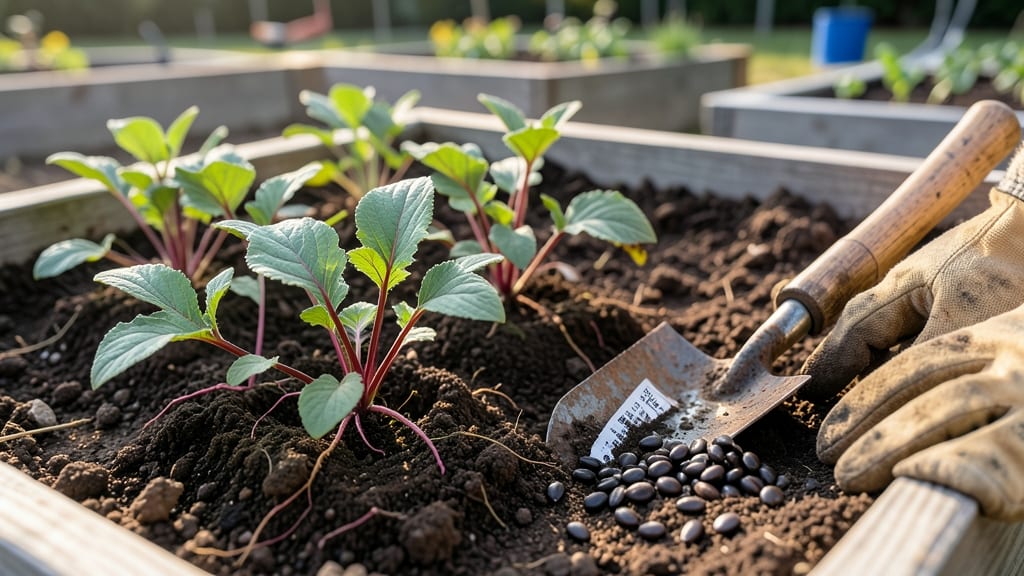
If you've ever planted beets in Central Texas only to watch them bolt into bitter greens before you can harvest a single root, you're not alone.
The key to success lies in understanding the perfect planting windows that align with our region's unique climate—where fall's mild temperatures and spring's cooler mornings create ideal conditions for 🍠 growth.
Most gardeners in USDA Zone 8a make the mistake of planting too early in the heat of summer or too late in the year, risking poor germination or stunted growth.
But with the right timing—September through October for fall harvests and February to March for spring—you can avoid these pitfalls and enjoy sweet, tender beets all season long.
What sets Central Texas apart is its ability to grow beets year-round with the right strategies. I'll show you exactly how to time your plantings for maximum yield, including heat-resistant varieties that thrive in our hot summers and mild winters.
Whether you're a seasoned gardener or just starting out, these insights will help you plan your garden like a pro.
Ready to transform your beet harvest from frustrating to fantastic? Let's dive into the exact dates, soil prep tips, and succession planting techniques that will give you a steady supply of homegrown beets—no more wasted effort or bitter surprises. Your garden (and taste buds) will thank you!
Best planting windows for beets in Central Texas (with heat-tolerant varieties)
Central Texas gardeners face a unique challenge with beets—our hot summers and mild winters demand precise timing to avoid bolting (when plants flower prematurely). The key is planting during cooler months when soil temperatures stay below 75°F. This ensures sweet, tender roots instead of bitter, woody ones.
For Central Texas (USDA Zones 8a-8b), the ideal planting windows are late summer to early fall (September-October) and early spring (February-March). These periods align with cooler soil temps and shorter daylight hours, both critical for beet success.
Here’s the breakdown: Fall planting (September-October) gives you a harvest before winter sets in, while spring planting (February-March) avoids the brutal summer heat. Both strategies leverage Central Texas’s 210 frost-free days to maximize your growing season.
🌱
| Planting Window | Soil Temp | Heat-Tolerant Varieties | Harvest Time |
|---|---|---|---|
| Late Summer (August) | 60-70°F | 'Early Wonder Tall Top' | October-November |
| Fall (September-October) | 55-65°F | 'Detroit Dark Red' | November-December |
| Early Spring (February-March) | 50-60°F | 'Chioggia' | April-May |
| Spring (April) | 60-70°F (risky) | 'Golden' | June (if shaded) |
Choosing the right heat-tolerant varieties is just as important as timing. Varieties like 'Detroit Dark Red' and 'Chioggia' handle Central Texas’s hot afternoons better than traditional types. These varieties also mature faster (50-60 days), reducing the risk of bolting during long summer days.
Pro tip: Avoid planting beets in June, July, or August unless you’re using shade cloth (30-50%). The combination of high temps (above 80°F) and long daylight hours (14+ hours) triggers bolting, turning your sweet roots into bitter, flowering stalks.
For a continuous harvest, stagger your plantings every 2-3 weeks during the fall window. This ensures a steady supply of fresh beets from October through December, just in time for holiday meals and winter storage.
🌿
One common mistake is relying on last frost dates alone. Central Texas’s first frost typically hits around December 15, but soil temperatures can still support beet growth until early November. Always check soil temps (not air temps) before planting—use a soil thermometer to confirm it’s below 75°F.
Finally, prepare your soil 2-3 weeks before planting by amending it with compost or well-rotted manure. Beets thrive in loamy, well-draining soil with a pH of 6.0-7.0. If your soil is heavy clay (common in Central Texas), mix in sand or peat moss to improve drainage.
✂️
Best planting windows for beets in Central Texas (with heat-tolerant varieties)
Central Texas gardeners face a unique challenge with beet cultivation: our summers are too hot for traditional varieties, while winters rarely freeze hard enough to force dormancy.
The secret to success lies in timing your plantings to align with our USDA Zone 8a climate, where soil temperatures stay mild year-round. I’ve planted beets here for years, and the two ideal windows—fall and spring—yield the sweetest, most tender roots.
For fall harvests, aim to plant beet seeds between September 1st and October 15th. This timing ensures your plants mature before December’s first frost (around December 15th in Central Texas) while avoiding the scorching summer heat.
The cooler fall temperatures slow bolting, giving you a steady supply of beets through November and December. Meanwhile, spring plantings should begin in February and wrap up by March 15th to harvest before summer’s intensity peaks.
Soil temperature is your best indicator for success. Beets germinate best when soil is between 45°F and 85°F, but they thrive in the 60°F–70°F range. In Central Texas, this means waiting until late summer’s heat breaks (August’s last week) or planting early spring once daytime highs drop below 80°F consistently. I always test soil temps with a soil thermometer—it’s a small investment that saves hours of frustration.
🌱 Central Texas Beet Planting & Harvest Timeline
| Season | Planting Window | Harvest Window | Soil Temp | Heat-Tolerant Varieties |
|---|---|---|---|---|
| Fall | September 1–October 15 | November–December | 60°F–75°F | Detroit Dark Red, Chioggia |
| Spring | February 1–March 15 | April–May | 55°F–70°F | Boltardy, Golden |
| Avoid | June–August | N/A (bolting risk) | Above 85°F | None recommended |
💡 Pro Tip: Use shade cloth (30–50%) if planting in late summer to protect seedlings from intense afternoon sun.
Not all beet varieties handle Central Texas heat equally. Heat-resistant varieties like Detroit Dark Red and Chioggia are my top picks for fall plantings—they tolerate short heat spikes better than standard types. For spring, Boltardy beets are a game-changer; they resist bolting even as temperatures rise in April.
I’ve also had success with Golden beets, which mature faster and handle our variable spring weather more gracefully.
One common mistake I see is planting too densely to save space, which leads to stunted roots and bolting. Space seeds 1–2 inches apart in rows 12 inches apart to give roots room to expand.
Thin seedlings to 3–4 inches apart once they’re 2 inches tall—this might seem counterintuitive, but it prevents competition for nutrients and water, ensuring sweeter, larger roots.
Finally, don’t overlook succession planting to extend your harvest. Sow a new batch every 2 weeks during your chosen window (fall or spring) for a continuous supply of fresh beets. Pair this with mulching (straw or shredded leaves) to retain moisture and keep soil temps stable.
With these strategies, you’ll enjoy homegrown beets from November through May—no summer bolting in sight! 🌱