
Plants
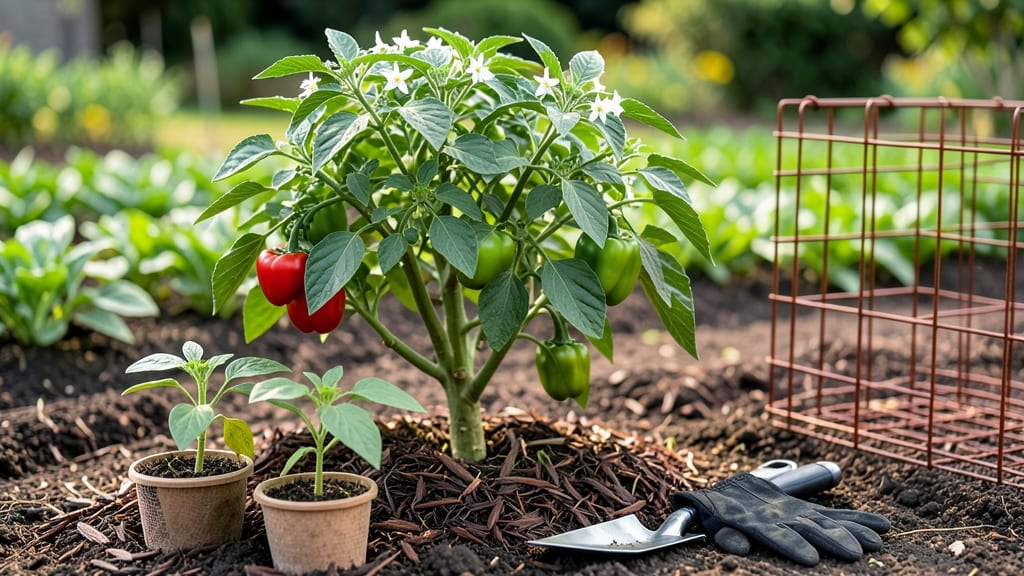
Timing your bell pepper 🌶️ planting in Washington State can make or break your harvest—get it wrong, and you might end up with bitter peppers or no fruit at all.
The key isn’t just checking a calendar but understanding your local microclimate, whether you're in the Puget Sound’s cooler zones or the warmer Yakima Valley.
Most gardeners in Washington’s USDA Zones 7b-8b should aim for mid-April to early June, but soil temperature matters more than the date. Waiting until the ground reaches 60°F ensures strong roots and healthy growth—something I learned the hard way after planting too early in a chilly spring.
If you’re growing fall varieties, July is your window, but don’t forget to protect young plants from late-summer heat waves. The right timing also depends on whether you’re starting seeds indoors or transplanting—both require different prep work to maximize your harvest.
Let’s break down the exact dates, soil tricks, and best varieties for your corner of Washington so you can enjoy crisp, sweet peppers from July through October without the guesswork.
Washington State bell pepper planting dates by USDA hardiness zones (5-8)
Washington State spans USDA Zones 5 through 8, creating wildly different planting windows for bell peppers. In Zone 5 (eastern WA), like Spokane, you’ll plant later due to colder springs, while Zone 8 (coastal WA), like Bellingham, can start earlier.
The key? Soil temperature—bell peppers need 55°F+ soil to thrive, regardless of frost dates. Let’s break down your exact planting timeline by zone.
For Zone 6 (central WA), think Wenatchee or Yakima, aim for mid-April to early May after the last frost. In Zone 7 (Puget Sound), like Seattle or Olympia, you can start late March to mid-April.
Coastal Zone 8 gardeners can plant as early as late February to March. But here’s the catch: Soil warmth trumps calendar dates—always test it before planting.
🌱
| Zone | Last Frost Date | Planting Window | Soil Temp Requirement | Harvest Window |
|---|---|---|---|---|
| Zone 5 (Spokane, Pullman) | Early May | Late May - Early June | 60°F+ | August - September |
| Zone 6 (Yakima, Wenatchee) | Mid-April | Mid-April - Early May | 55°F+ | July - September |
| Zone 7 (Seattle, Olympia) | Late March | Late March - Mid-April | 55°F+ | June - October |
| Zone 8 (Bellingham, Port Townsend) | Late February | Late February - March | 50°F+ | May - November |
If you’re in Zone 5 or 6, consider starting seeds indoors in March to give them a head start. Transplant seedlings outdoors only after nighttime temps stay above 50°F.
For Zones 7 and 8, you can direct-sow seeds outdoors as early as March, but use row covers to protect young plants from late frosts.
For a fall harvest, plant mid-to-late July in all zones. This gives peppers enough time to mature before the first frost. Just remember: Soil must stay warm—use black plastic mulch to maintain heat in cooler zones.
Pro tip: Monitor your local microclimate. Urban areas like Seattle can be 3-5°F warmer than rural zones, while valleys like the Yakima Basin heat up faster. Adjust your planting dates accordingly!
🌡️
Don’t forget: Bell peppers are heat-lovers. In Zone 8, you can even try two plantings—one in spring and another in early summer for a fall crop. Just space them 6-8 weeks apart to stagger harvests. With the right timing, you’ll enjoy peppers from July through October!
✂️
How to adjust planting time based on soil warmth (not just calendar dates)
Bell peppers are heat-loving plants that thrive when soil temperatures reach at least 60°F (15°C). In Washington State, this often means waiting weeks after the last frost date—especially in cooler microclimates like the Puget Sound or Cascade foothills.
Rushing planting because the calendar says "spring" can lead to stunted growth or even death.
I’ve learned the hard way that soil warmth matters more than frost dates. For example, in Zone 7b (Seattle area), the last frost might pass by April 15, but the soil may still be chilly.
Using a soil thermometer is the best way to confirm readiness—aim for 55°F (13°C) at 4 inches deep for germination.
🔹 Visual Element: Callout Warning
Planting bell peppers in cool soil (below 55°F) causes:
- Slow germination (if starting seeds)
- Stunted growth (plants stay small)
- Blossom end rot (calcium uptake fails)
Use black plastic mulch or row covers to warm soil faster.
If your soil isn’t warm enough by the usual planting window, try these tricks:
- Black plastic mulch: Spread it 2–3 weeks before planting to raise soil temps by 5–10°F.
- Cold frames: Create a mini greenhouse to protect seedlings in Zone 5–6 areas.
- Container gardening: Use black pots filled with warm compost to jumpstart growth.
For late-season varieties, plant in July (after the June solstice) to avoid fall frosts. In Zone 8 (coastal WA), this works well—just choose faster-maturing varieties like ‘Early California Wonder’ (60 days to harvest).
Pro tip: Test soil warmth daily in the afternoon (soil warms faster then). If temps dip below 50°F at night, delay planting or use row covers for protection. Patience here means bigger, healthier peppers later!
Remember, soil warmth > calendar dates. Even if your neighbor plants in April, their peppers might struggle while yours thrive because you waited for the right conditions. Your peppers will thank you with a longer harvest season and fewer problems. 🌱