
Plants
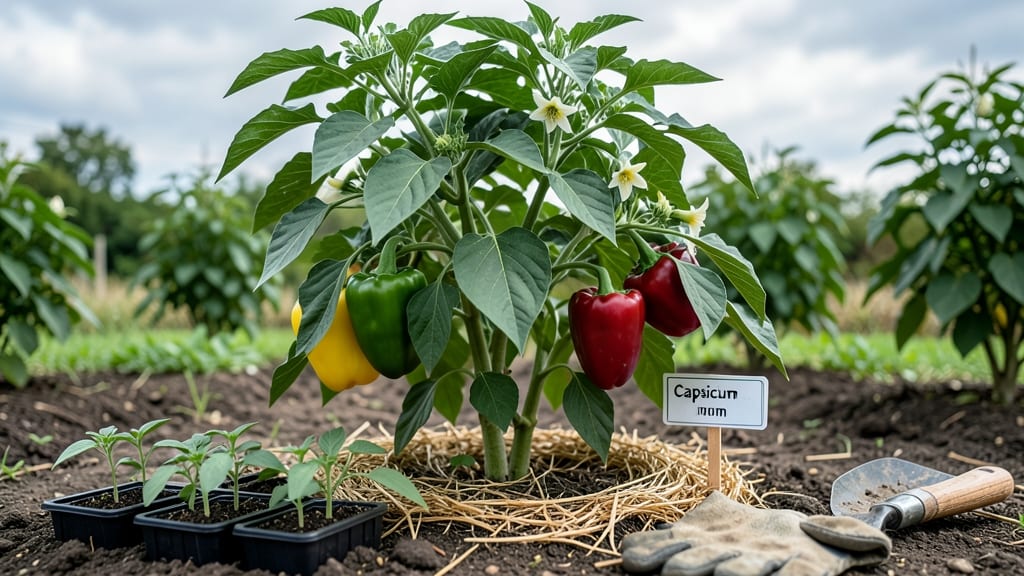
If you've ever struggled with when to plant bell peppers in Tennessee, you're not alone—getting the timing right means the difference between a bumper crop of 🌶️ and a sad, wilted disappointment.
Tennessee’s unpredictable spring nights and scorching summers demand a strategy that balances frost risk with heat tolerance, and the wrong move can leave your garden empty-handed.
Most gardeners in zones 6a-7b make their first mistake by planting too early, only to watch frost nip their seedlings or heat stress stunt their growth. The key isn’t just following a calendar—it’s understanding your specific microclimate, whether you’re in East Tennessee’s cooler hills or West Tennessee’s sweltering plains.
I’ll break down the exact windows for both spring and fall planting, so you can avoid common pitfalls and maximize your harvest from July through October.
You’ll also discover which heat-resistant varieties thrive in Tennessee’s humidity, like 'Carolina Wonder' or 'Jupiter', and how to prep your soil for peak performance. No more guessing—just actionable steps to turn your garden into a pepper powerhouse, even if you’re a first-time grower.
Let’s get those seeds in the ground at the perfect moment.
Ready to transform your backyard into a spicy success? The right timing isn’t just about dates—it’s about setting your peppers up for a season of flavor. I’ll show you how to nail it, from transplanting to harvest, so you can enjoy fresh, homegrown 🌶️ all summer long.
Tennessee bell pepper planting calendar: exact start dates by region
Tennessee’s three distinct climate zones—West (warmer), Middle (moderate), and East (cooler)—mean your bell pepper planting window should vary by location.
In West Tennessee (USDA Zone 7b), you can start seeds indoors as early as mid-March, while East Tennessee (Zone 6a) gardeners should wait until late April to avoid frost damage.
The key is soil temperature: peppers need 60°F+ soil to thrive, and Tennessee’s last frost typically occurs between mid-April and early May, depending on elevation.
For direct sowing (planting seeds outdoors), aim for 2–4 weeks after your last frost date. In Middle Tennessee, this usually lands in early to mid-May, while West Tennessee can start slightly earlier in late April.
If you’re transplanting seedlings, harden them off for 7–10 days before moving them outside after the last frost. Fall planting is also an option: start seeds indoors in late July for a September harvest before frost.
Here’s how Tennessee’s regions break down for optimal planting windows, including soil temperature and frost risk:
If you’re starting seeds indoors, use grow lights to provide 12–14 hours of light daily until seedlings are 2–3 inches tall. Transplant outdoors only after hardening off for 1–2 weeks to acclimate to Tennessee’s humidity and temperature swings.
For direct sowing, use biodegradable pots to avoid disturbing roots when transplanting later if needed.
Fall planting is a smart strategy for Tennessee gardeners: start seeds indoors in late July for a September transplant and harvest through October. This avoids the peak summer heat (which can stress peppers) and gives you a second crop before frost. Just be sure to choose fast-maturing varieties (60–70 days to harvest) for this window.
Pro tip: Use a soil thermometer to confirm 60°F+ soil temperatures before planting—cold soil can stunt growth.
In East Tennessee’s higher elevations, wait until mid-May to be safe, as late frosts are more common. West Tennessee’s warmer microclimates (like Memphis) may allow for earlier planting, but monitor nighttime temperatures—peppers can’t tolerate below 50°F.
For container gardening, use 5-gallon pots or larger to accommodate pepper roots, and place containers in full sun (at least 6–8 hours daily). Containers warm up faster than garden soil, so you can plant 1–2 weeks earlier than in-ground plantings.
Just ensure pots have drainage holes to prevent root rot in Tennessee’s humid climate.
Remember: Peppers are heat-lovers, but they hate humidity—Tennessee’s summers can be a double-edged sword. Spacing plants 18–24 inches apart improves airflow and reduces disease risk.
If your area experiences high humidity (common in Middle/East TN), consider drip irrigation to keep foliage dry and prevent fungal issues like powdery mildew.
🌶️
Best heat-resistant bell pepper varieties for Tennessee’s humid summers
Tennessee’s humid summers and sweltering afternoons can turn your bell pepper plants into sad, wilted shadows if you don’t choose the right varieties. The key is selecting heat-tolerant and disease-resistant peppers that thrive in our 90°F+ temperatures and high humidity.
I’ve grown dozens of varieties here, and these five stand out for their resilience and flavor—especially in zones 6a-7b.
First up is 'Carolina Wonder', a classic for Tennessee gardens. This variety handles our heat like a champ and produces sweet, glossy peppers in shades of green, red, and yellow.
It’s also disease-resistant, which is a lifesaver when aphids and hornworms decide to throw a party in your garden. If you’re after something extra productive, 'Jupiter' is another winner—it’s early-maturing (about 60-70 days) and packed with thick, blocky peppers that resist cracking in the heat.
For those who love colorful harvests, 'Aristotle' is a game-changer. This hybrid variety produces smooth, glossy peppers in red, yellow, and orange, and it’s bred to handle our humid conditions without succumbing to fungal diseases.
It’s also high-yielding, so you’ll have peppers to share (or can) by late summer. If you’re in West Tennessee’s warmer microclimates, consider 'NuMex Heritage'—it’s drought-tolerant and thrives in the intense heat of the Mississippi River valley.
Last but not least, 'Early California Wonder' is a fast-growing option (ready in 60 days) that’s perfect if you’re planting late or want an early harvest. It’s compact, making it ideal for containers or small gardens, and it holds up well in our unpredictable spring nights.
Pro tip: Pair these varieties with mulch to keep roots cool and retain moisture during Tennessee’s drought-prone summers.
When selecting seeds, always check the days to maturity label to ensure your peppers will ripen before Tennessee’s first frost (usually mid-October). For example, if you’re planting in late May, choose varieties that mature in 70-80 days to avoid a late-season disappointment.
I also recommend starting with one or two varieties to test what thrives in your specific microclimate—East Tennessee’s cooler nights might favor 'Aristotle', while West Tennessee’s heat could be better suited for 'NuMex Heritage'.
Don’t forget to rotate your pepper varieties each year to prevent soil-borne diseases from building up. I’ve seen bacterial spot and powdery mildew wreak havoc on gardens where the same peppers were planted year after year.
Crop rotation isn’t just a suggestion—it’s a must for long-term success in Tennessee’s humid climate. With the right varieties and a little planning, you’ll be feasting on homegrown 🌶️ from July through October!