Plants
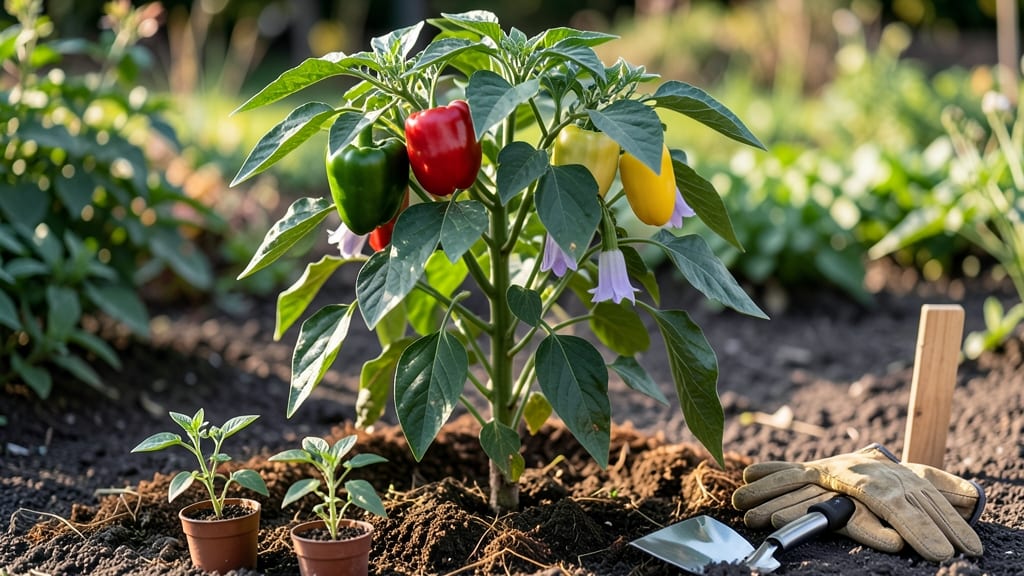
Timing your 🌶️ bell pepper planting in California isn’t just about the calendar—it’s about dodging frost in the hills while beating the heat in the valleys. One wrong move, and you’ll either lose your plants to chilly nights or watch them wilt under scorching sun.
The good news? With the right strategy, you can grow peppers year-round in most of the state, from coastal chill to inland warmth.
Let’s cut through the confusion. Whether you’re in frost-prone USDA Zone 8a or sunbaked Zone 11, knowing when to start seeds indoors or pop them straight into the soil makes all the difference.
I’ll break down the exact windows for coastal areas (think San Francisco’s mild springs) versus inland valleys (like Fresno’s early heat spikes), so you can plant with confidence.
You’ll also discover how to stretch your harvest season with succession planting, avoid transplant shock, and spot the early signs of heat stress before it’s too late. No more guessing—just proven tips to turn your California garden into a pepper powerhouse.
Ready to grow peppers that thrive all season long? Let’s get started with the planting dates that’ll set you up for success, no matter where you are in the Golden State.
California bell pepper planting dates by region: coastal vs inland timelines
California’s bell pepper planting schedule depends heavily on your microclimate. Coastal areas like San Francisco and Los Angeles have cooler springs, while Central Valley and desert regions (like Palm Springs) warm up faster. Getting this right means avoiding transplant shock or heat stress—both common pitfalls for California gardeners.
For coastal regions, wait until after the last frost (typically mid-March) and when soil temperatures reach 60°F+. Inland valleys can start as early as late February because their warmer microclimates reduce frost risk. Desert areas often plant even earlier, sometimes in January, to beat summer heat.
Here’s a breakdown of optimal planting windows by region, including soil temperature thresholds and harvest timelines to maximize your yield.
| Region | Last Frost Date | Ideal Planting Window | Soil Temp Threshold | Harvest Window |
|---|---|---|---|---|
| Coastal (SF, LA) | Mid-March | March–May | 60°F+ | July–October |
| Central Valley (Sacramento, Fresno) | Early January | February–April | 65°F+ | June–November |
| Desert (Palm Springs, Coachella) | None (frost-free) | January–March | 70°F+ | March–September |
If you’re in a transitional zone like Santa Barbara or San Diego, pay close attention to microclimate variations. Urban areas with concrete or pavement can heat up faster, while shaded spots may stay cooler.
Use a soil thermometer to confirm 60°F+ before planting—this is critical for germination success.
For direct sowing, wait until soil is consistently warm. If you’re starting seeds indoors, begin 8–10 weeks before your region’s last frost date. This gives seedlings enough time to harden off before transplanting outdoors.
One pro tip for California gardeners: Succession planting in late summer (August–September) can extend your harvest into fall. Choose heat-tolerant varieties like ‘Carmen’ or ‘Aristotle’ for better success in hotter months.
Remember, overheating is a bigger threat than frost in most of California. If temperatures exceed 90°F during flowering, you may see blossom drop. Use shade cloth or plant in partial shade during peak heat to protect your peppers.
Finally, container gardening offers flexibility for urban gardeners. Just ensure pots have drainage holes and use lightweight potting mix to prevent overheating. Containers warm up faster than garden beds, so monitor soil temps closely.
With the right timing, you’ll enjoy homegrown bell peppers from summer through fall—just in time for fresh salsas, roasted peppers, or pickling! 🌶️
How to adjust planting dates for your microclimate in California
California’s microclimates can shift planting windows by weeks—even within the same county. If you’re in Santa Barbara or San Diego, coastal fog might delay your start, while inland Los Angeles neighborhoods could be warm enough for early sowing.
The key is checking soil temperature (not just air temp) and adjusting for local frost pockets.
For transitional zones like Santa Cruz or Orange County, aim for late March to early April for direct sowing. If your area gets unpredictable cold snaps (like San Francisco’s sudden fog), err on the side of waiting until mid-April when soil hits 60°F+ consistently.
Use a soil thermometer—it’s the only way to know for sure.
🌱Pro Tip: Urban gardens in concrete-heavy areas (like Downtown LA) can warm up 2–3 weeks earlier than rural spots. Test your soil’s heat retention by planting a warm-season crop trial (like bush beans) in February—if they thrive, you’re ready for peppers.
If you’re in a high-elevation microclimate (like Big Bear or Lake Tahoe’s lower slopes), treat it like Zone 7–8—start seeds indoors by February and delay outdoor planting until late May.
These areas often have shorter growing seasons, so choose faster-maturing varieties (like ‘Early Cal Wonder’, which ripens in 60 days).
🌿Remember: Heat stress is just as deadly as cold for bell peppers. In desert regions (like Palm Springs), avoid planting before March 15—soil can hit 90°F+ by May, shocking young plants. Use shade cloth for the first 2 weeks if transplanting early.
For urban gardeners, container-grown peppers can be planted 2–3 weeks later than in-ground plants because pots warm up slower. If you’re using 5-gallon containers, add extended-release fertilizer at planting to compensate for the limited root zone. Water daily until roots establish (2–3 weeks).