
Plants
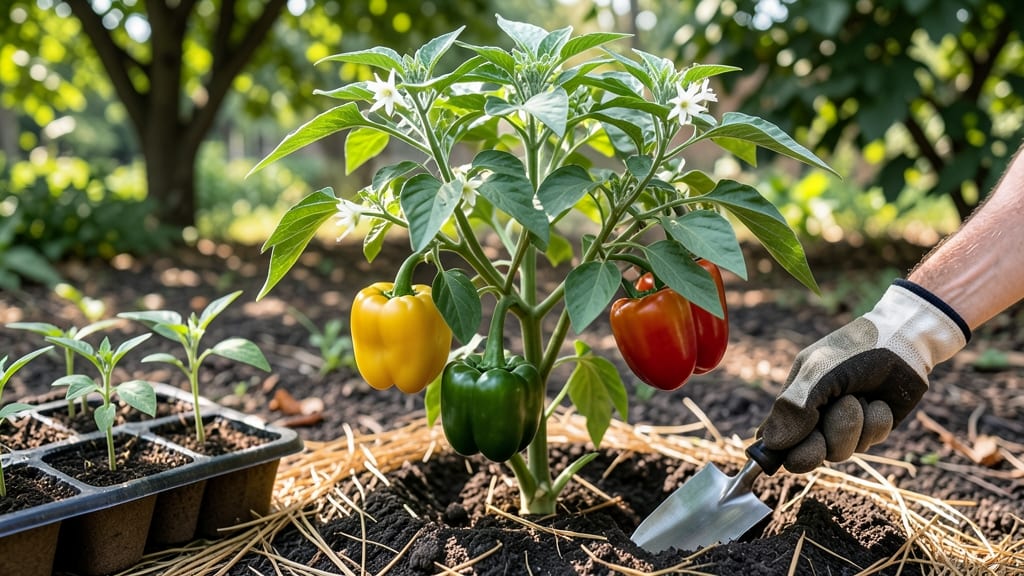
Planting your 🌶️ bell peppers in Arizona at the wrong time can send them bolting before they even ripen—turning your harvest hopes into a sad, bitter disappointment.
The key isn’t just picking a month; it’s locking in the right soil temperatures and avoiding the brutal midday heat that triggers that early flowering.
Most gardeners here make one of two mistakes: planting too early when the ground is still cool, or waiting until the sun is too fierce.
I’ve tested both approaches, and the difference between a thriving plant and a frustrated gardener often comes down to just a few weeks of perfect timing.
In this guide, I’ll break down the exact planting windows for Arizona’s USDA Zone 9b, including when to start seeds indoors versus direct sowing outdoors.
You’ll also learn how to read soil temps like a pro and extend your growing season with simple tricks—so you can enjoy fresh peppers from May through October without the stress.
Ready to grow peppers that actually produce? Let’s get into the game-changing details that separate successful harvests from wasted effort in our desert climate.
Arizona bell pepper planting calendar: exact dates by region
Arizona’s diverse climate zones mean your bell pepper planting window varies dramatically from Phoenix’s scorching valleys to Flagstaff’s cooler high desert. Get these dates wrong, and your plants will bolt before fruiting—or wilt under summer’s intensity. Here’s your region-specific roadmap to peak harvest success.
For Phoenix and Tucson (USDA Zone 9b-10a), the sweet spot is January–March for transplants or February–April for direct sowing. These areas enjoy 300+ frost-free days, but soil must reach 60°F+ before planting. Miss this window, and your peppers will struggle under 110°F+ soil temps.
In Yuma (Zone 9a-10a), push planting to late February–early April to avoid the April–June heat spike. Yuma’s intense sunlight (9+ hours daily) demands heat-tolerant varieties like ‘NuMex Sandia’ or ‘Apache’ to survive.
| Region | Transplant Window | Direct Sow Window | Key Risk |
|---|---|---|---|
| Phoenix/Tucson | Jan 15–Mar 15 | Feb 15–Apr 1 | Soil >100°F by June |
| Yuma | Feb 20–Apr 10 | Mar 1–Apr 15 | Extreme heat (115°F+) |
| Flagstaff (High Desert) | Mar 1–Apr 15 | Apr 1–May 1 | Late frosts (Jan 10) |
High-desert areas like Flagstaff (Zone 7b) have a shorter growing season but cooler nights. Plant March 1–April 15 for transplants or April 1–May 1 for direct sowing. Here, late frosts (January 10) can still damage young plants, so use row covers for early starts.
Pro tip: Succession plant every 2–3 weeks in Phoenix/Tucson to stagger harvests. By planting January, February, and March batches, you’ll enjoy peppers from May through October without gaps.
For container growers, start seeds indoors 8–10 weeks before your region’s last frost. Move hardened-off seedlings outdoors after April 15 in low deserts or May 1 in high deserts to avoid heat shock.
Watch for bolt warnings: If your plants flower before peppers form, they’ve sensed heat stress. This happens when soil temps exceed 85°F for 3+ days. Shade cloth (30–50%) can buy you 2–4 extra weeks of safe growth.
Remember: Arizona’s summer heat forces peppers to mature faster—but it also shortens their lifespan. Prioritize heat-tolerant varieties and morning watering to keep roots cool. With these dates locked in, you’re ready to grow bold, sweet peppers all season long.
Critical soil temperature rules to prevent bolting in bell peppers
Bell peppers in Arizona bolt when soil temperatures swing too high or too low—especially when nights stay above 75°F. This triggers early flowering and bitter fruit. The key is maintaining ideal soil temps between 65°F and 80°F for consistent growth.
Daytime soil temps above 90°F can stress plants, while nights below 55°F stunt development.
Use a soil thermometer to monitor temps 2 inches deep—this is where roots absorb heat. Most garden centers sell them for under $15. Check temps morning and evening since desert soils heat up fast. If temps creep above 85°F for more than 2 days, your peppers may start bolting prematurely.
| Condition | Ideal Temp Range | Risk Level | Solution |
|---|---|---|---|
| Daytime Soil Temp | 65°F–80°F | ✅ Safe | Normal growth, no stress |
| Daytime Soil Temp | 80°F–85°F | ⚠️ Caution | Increase shade cloth to 30% |
| Daytime Soil Temp | 85°F+ | ❌ Danger | Use shade cloth (50–70%) + mulch |
| Nighttime Soil Temp | 55°F–65°F | ✅ Safe | Normal growth, no stress |
| Nighttime Soil Temp | Below 55°F | ❌ Danger | Use row covers or move pots indoors |
Extend your growing season with row covers or shade cloth. A 30% shade cloth reduces soil temps by 10–15°F during peak heat. For early spring plantings, use black plastic mulch to warm soil faster—it absorbs sunlight and raises temps by 5–10°F compared to bare soil.
If your soil stays too cool (below 60°F), opt for container growing. Pots heat up faster and let you move plants to sunnier spots. Black containers absorb more heat than white or red ones.
Always place containers on elevated stands to improve drainage and prevent root rot in Arizona’s intense sun.
Pro tip: Plant heat-tolerant varieties like ‘NuMex Sandia’ or ‘Apache’—they handle temps up to 95°F better than standard types. Pair them with drip irrigation to keep soil temps stable and avoid sudden spikes from overhead watering.