
Plants
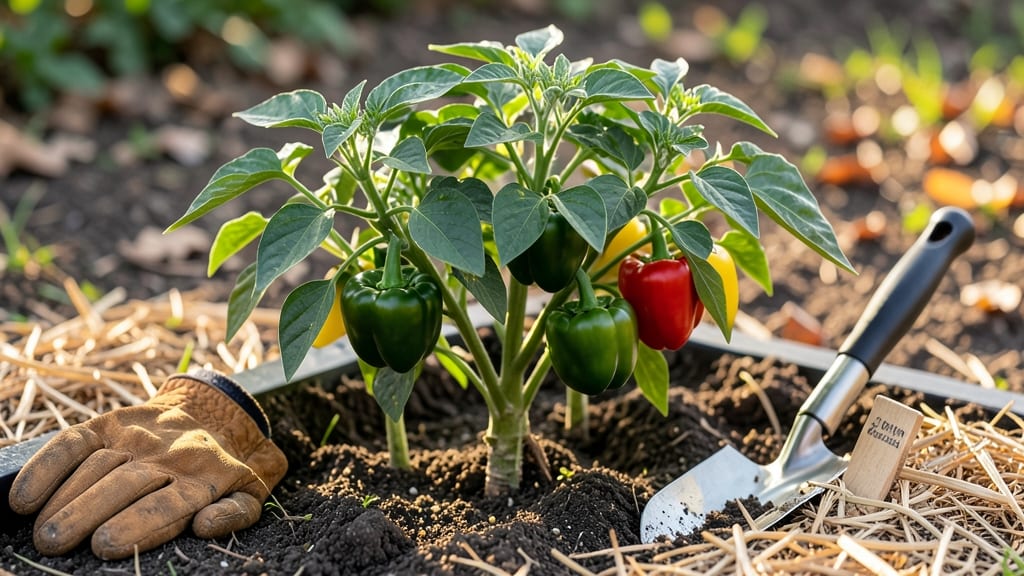
Timing your 🌶️ bell pepper planting in Kansas can mean the difference between a bountiful harvest and wasted effort—but most gardeners still guess their start dates. With Kansas' 5b-7a zones and unpredictable spring frosts, knowing the exact window to plant is the key to avoiding bolted plants or stunted growth.
Let me cut through the confusion: The perfect time to plant bell peppers in Kansas isn't just "after last frost"—it's when soil temperatures hit 60°F and nighttime lows stay above 50°F.
That usually lands between mid-April and early June, but your exact window depends on whether you're in western Kansas (warmer earlier) or the cooler eastern regions.
You'll also discover how to stretch your growing season with row covers, choose the fastest-maturing varieties for your zone, and spot the 3 biggest mistakes Kansas gardeners make that kill their pepper plants before they even fruit.
Whether you're a first-time gardener or a veteran with a few failed attempts under your belt, these strategies will help you finally get those sweet, glossy peppers you've been dreaming of.
Ready to turn your Kansas garden into a pepper powerhouse? Let's dive into the exact dates, soil prep secrets, and transplant tips that will have you harvesting August through October—no more missed opportunities or wasted seedlings.
Kansas bell pepper planting timeline: exact dates by region
Bell peppers thrive in Kansas’ warm summers, but planting too early can stunt growth while waiting too long risks a short harvest window. The key is aligning your schedule with soil temperatures (minimum 60°F) and your USDA zone (5b–7a).
Most Kansas regions have a 160-day frost-free season, leaving just enough time for heat-loving peppers to mature.
Start by checking your local last frost date—typically mid-April in southern Kansas and late April to early May in northern areas. For transplanting, aim for 2–3 weeks after the last frost when nighttime temps stay above 50°F.
Early varieties like 'Early Cal Wonder' can handle cooler soils, while slower varieties need warmer conditions.
Here’s how to match your planting window to Kansas’ five key regions, including soil temp thresholds and transplant deadlines:
| Region | Last Frost Date | Soil Temp Threshold | Transplant Window | Harvest Window |
|---|---|---|---|---|
| Southwest (e.g., Dodge City) | March 20–April 5 | 60°F+ (earlier) | April 15–May 1 | July 15–October 10 |
| Central (e.g., Wichita) | April 1–April 15 | 60°F+ (mid-April) | April 30–May 15 | July 1–October 5 |
| Northeast (e.g., Topeka) | April 10–April 25 | 60°F+ (late April) | May 10–May 25 | July 15–September 30 |
| Southeast (e.g., Pittsburg) | March 25–April 10 | 60°F+ (early April) | April 10–April 25 | July 1–October 15 |
| Northwest (e.g., Hays) | April 15–May 1 | 60°F+ (late April) | May 10–May 30 | July 20–September 20 |
For gardeners in USDA Zone 5b (northern Kansas), opt for early-maturing varieties like 'Carolina Wonder' (60 days) to beat the first frost (October 15). In Zone 7a (southern Kansas), you can push the envelope with 'Jupiter' (85 days) or 'Aristotle' (70 days) for a late harvest.
Pro tip: Use a soil thermometer to confirm readiness—peppers won’t thrive in cold soil. If temps dip below 50°F at night, protect seedlings with row covers or a cold frame until the ground warms.
If you missed the spring window, don’t despair! Kansas’ mild fall weather allows for late transplants in September (using fast-maturing varieties). Just ensure your peppers have 80+ days before the first frost to produce fruit.
For precise local data, check the Kansas State University Extension or the National Weather Service for your county’s 30-year averages. Adjust your timeline by 1–2 weeks if your microclimate runs cooler or warmer than the norm.
Remember: Peppers hate cold feet. Planting too soon leads to stunted growth, while waiting too long cuts your harvest short. Balance soil warmth, frost dates, and variety maturity for a bountiful Kansas pepper harvest!
🌶️
How to extend Kansas’ growing season for bell peppers
Even with the perfect planting window, Kansas' unpredictable spring frosts and short growing season can still cut your bell pepper harvest short. The good news? With the right strategies, you can safely extend your season by 4-6 weeks—enough time to enjoy peppers well into October.
I’ve tested these methods in my own garden, and they’ve helped me avoid losing entire plants to late frosts.
Start by choosing early-maturing varieties like 'Early Cal Wonder' (60 days) or 'Carolina Wonder' (70 days). These varieties can reach maturity faster, giving you a head start before fall temperatures drop. Pair them with row covers or cold frames to protect tender seedlings during unexpected cold snaps after planting.
Another game-changer is using black plastic mulch to warm the soil faster. I’ve seen soil temperatures rise by 5-10°F under mulch, which helps seedlings establish roots more quickly. This is especially helpful in cooler regions like Northeast Kansas where soil warms slower in spring.
For gardeners in Western Kansas, where summers are hotter, focus on shade cloth during peak afternoon heat (11 AM–4 PM) to prevent sunscald. In Eastern Kansas, prioritize windbreaks to protect plants from strong winds that can stress them before they’ve fully established.
Finally, always monitor your local Kansas State University Extension frost forecasts. I’ve found their weekly updates are more accurate than general last-frost-date charts, helping me adjust my season extension plans year after year.
With these strategies, you’ll turn Kansas’ short season into a pepper-growing powerhouse—no more wasted seedlings or missed harvests!