
Plants
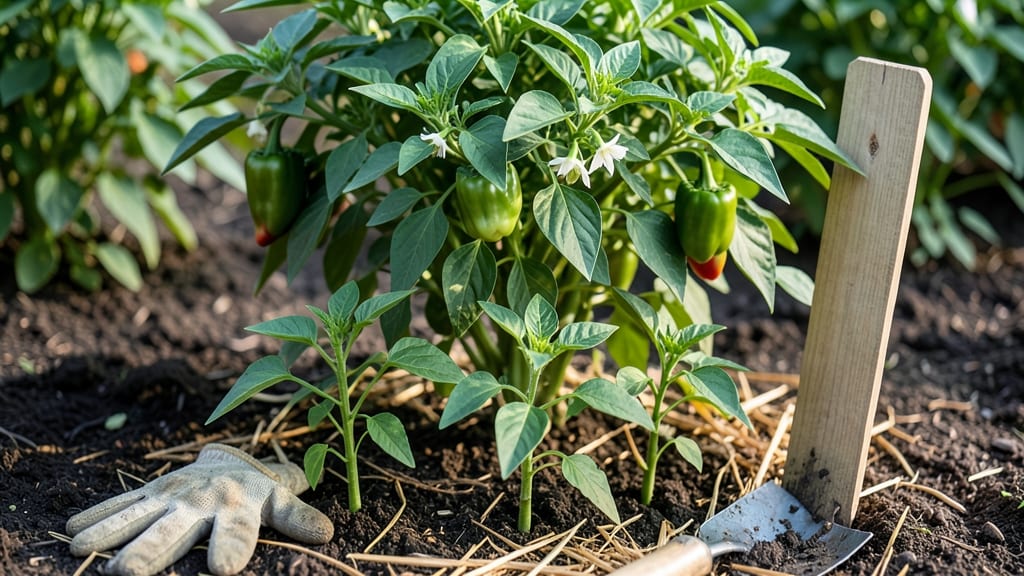
Planting your 🌶️ bell peppers at the wrong time in Arkansas could mean the difference between a garden full of vibrant peppers and a sad, frost-nipped failure.
The perfect window starts after your last frost date—typically around April 15—but even then, rushing can leave your plants vulnerable to chilly nights.
Why does timing matter so much? Arkansas’ 7a-8a climate zones bring warm springs and scorching summers, and bell peppers are picky about both. Too early, and frost zaps your seedlings; too late, and summer’s heat stresses them before they can mature.
The key is knowing your county’s frost-free timeline and adjusting for soil warmth—60°F or higher is non-negotiable for these tropical plants.
Here’s what you’ll discover: the exact planting dates for your region, whether to start seeds indoors or sow directly, and how to stretch your growing season for a longer harvest.
We’ll also cover the best heat-tolerant varieties that thrive in Arkansas’ humidity and clay soils—so you can avoid common mistakes and maximize your yield.
Ready to turn your Arkansas garden into a pepper powerhouse? Let’s get started with the frost-free timeline that’ll have your plants thriving from July through October.
Arkansas bell pepper planting dates by County: avoid frost and heat stress
Arkansas’ diverse climate—from the cool Ozark Mountains to the humid Delta region—means bell pepper planting dates vary dramatically.
In North Arkansas (USDA Zone 7a), like Benton or Washington County, the last frost typically hits around April 15, while South Arkansas (Zone 8a), such as Crittenden or Lee County, can plant as late as May 1 without frost risk.
Even within 50 miles, microclimates shift planting windows by weeks.
Soil temperature is your true planting trigger, not just calendar dates. Bell peppers need soil at 60°F+ to thrive—cold soil stunts roots and delays fruiting. Use a soil thermometer (available for ~$15) to confirm readiness, especially in elevated Ozark areas where nights stay chilly longer.
Pro tip: Lay black plastic mulch 1–2 weeks before planting to warm soil faster.
Here’s how Arkansas’ three main regions align with optimal planting windows and heat-tolerant varieties to maximize yields:
Mississippi County in the Delta, for example, can safely plant ‘Aristotle’ bell peppers as early as March 20, while Marion County in the Ozarks should wait until April 25 to avoid late frosts.
Always check your local cooperative extension office for county-specific data—Arkansas’ climate shifts yearly, and a 2023 early spring could become a 2024 late frost.
For late-season plantings (June–July), opt for heat-tolerant varieties like ‘Jupiter’ or ‘Aristotle’, which handle Arkansas’ 95°F+ afternoons better than standard types. Pair them with shade cloth (30–50%) to prevent sunscald on peppers.
I’ve seen ‘Carolina Wonder’ plants in Little Rock’s urban gardens bolt (flower prematurely) when planted after June 1—avoid this by sticking to short-day varieties.
Arkansas’ humidity and clay soils also demand well-draining beds. Amend soil with compost or aged manure before planting to improve aeration. In my Northwest Arkansas raised beds, I mix in 10% perlite to prevent root rot—a common issue in Arkansas’ heavy soils.
Test your soil’s pH too; bell peppers thrive in 6.0–6.8, and Arkansas’ native clay often runs acidic (5.5 or lower).
Pro move: Stagger plantings every 2 weeks from April to June. This ensures a continuous harvest from July through October, beating Arkansas’ short growing season.
I planted ‘Poblano’ peppers in early April and ‘Jupiter’ in late May—the Poblanos gave me green peppers in July, while the Jupiters ripened to red by September. Double the yield, zero waste!
Remember: Arkansas’ first frost typically arrives November 15, but peppers need 90+ days to mature. If you’re in Zone 7a (North Arkansas), avoid planting after June 15—peppers won’t ripen before cold snaps. In Zone 8a (South Arkansas), you can push it to July 1 with
How to extend Arkansas bell pepper season: transplanting, succession planting, and heat management
Arkansas’ short growing season can feel like a race against time for bell peppers—especially when summer heat arrives early. The key to a longer harvest is smart timing: starting seeds indoors, transplanting at the right stage, and using tricks to beat the heat.
I’ve learned that succession planting every 2 weeks after your first batch can stretch your pepper harvest from July through October.
First, let’s talk indoor seed starting. Arkansas gardeners should begin seeds 6–8 weeks before your last frost date (typically mid-March). Use grow lights or a sunny windowsill—peppers need 12–14 hours of light daily to avoid leggy seedlings. I swear by biodegradable pots to avoid root disturbance later.
Here’s the transplanting timeline that works for me: Harden off seedlings for 1–2 weeks before moving them outside. Wait until soil temps hit 60°F+ and nighttime temps stay above 55°F.
In North Arkansas (USDA Zone 7a), that’s usually mid-April; in the Delta (Zone 8a), you can start as early as late March.
🌱 3 Pro Tips to Beat Arkansas Heat
- Shade cloth (30–50%) when temps hit 95°F+—I use it on my Jupiter peppers to prevent sunscald.
- Mulch heavily with straw or wood chips to keep roots cool and moisture locked in Arkansas’ clay soil.
- Succession plant every 2 weeks after your first batch—this ensures peppers mature before summer’s peak heat.
Don’t overlook late-season varieties like ‘NuMex Sandia’ or ‘Aristotle’—they handle heat better than standard types. I’ve had great luck with shade cloth in July when temps soar. Water deeply in the morning to avoid fungal issues, and avoid wetting leaves. For container growers, use self-watering pots to prevent stress.
One mistake I made early on? Skipping succession planting—I planted all my peppers at once and got overwhelmed with harvests in August. Now, I space them out: first batch in April, then every 2 weeks until June 15.
This gives me peppers from July through October, even in Arkansas’ short season.
Finally, prune aggressively in early summer to focus energy on fruit production. Remove flower buds if your plants look stressed—this forces them to recover before setting more peppers. With these tricks, you’ll turn Arkansas’ heat into your advantage, not a roadblock.