
Plants
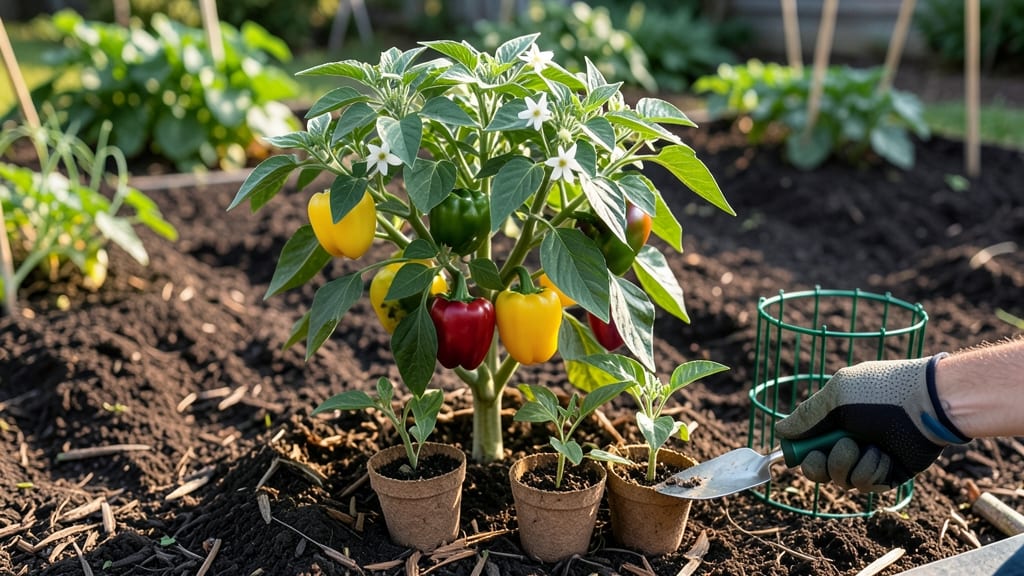
Planting your 🌶️ bell peppers at the wrong time in North Carolina can mean the difference between a bountiful harvest and wasted effort. The key isn’t just following a calendar—it’s understanding how frost dates, soil warmth, and even your county’s microclimate play into the perfect window for planting.
Most gardeners in NC’s 6b-8a zones know the general rule: wait until after the last frost, which typically falls between late March and early April. But here’s the catch—cooler mountain regions like Asheville need a different approach than warmer coastal areas near Wilmington.
Miss the mark, and you risk stunted growth or peppers bolting too early.
In this guide, I’ll break down the exact planting deadlines by county, whether you should start seeds indoors or sow directly, and how to adjust for NC’s unpredictable heat waves.
You’ll leave here with a clear timeline tailored to your specific location—so you can finally grow those sweet, crisp peppers you’ve been dreaming of.
Ready to turn your garden into a pepper powerhouse? Let’s get started with the county-specific deadlines that’ll make all the difference this season.
NC county-specific bell pepper planting deadlines by frost risk zones
North Carolina’s diverse climate—from the cool mountain valleys of Asheville to the humid coastal plains of Wilmington—means bell pepper planting deadlines vary dramatically. The key to success? Knowing your last frost date and adjusting for heat tolerance.
Most NC counties fall into USDA zones 6b-8a, but even within these zones, microclimates shift planting windows by weeks.
For example, Asheville (zone 7a) sees its last frost around April 15, while Wilmington (zone 8a) can safely plant as early as March 15. These differences matter because bell peppers won’t tolerate frost and need warm soil (60°F+) to thrive.
Planting too early risks stunted growth, and waiting too long cuts your harvest short.
Here’s how to align your planting with NC’s frost-free zones and county-specific timelines:
| Zone | Last Frost Date | Transplant Window | Fall Planting (Aug) | County Examples |
|---|---|---|---|---|
| 5A-6A | Late April | May 1–15 | Aug 1–15 | Buncombe (Asheville), Haywood |
| 6B-7A | Early April | April 15–May 1 | Aug 1–31 | Wake, Durham, Raleigh |
| 7B-8A | Mid-March | March 15–April 15 | Aug 15–Sept 1 | New Hanover (Wilmington), Brunswick |
| 8B | Late February | Feb 28–March 15 | Sept 1–15 | Dare, Hyde |
*Transplant seedlings after soil warms to 60°F+ and night temps stay above 55°F.
If you’re in zone 5A (mountains), wait until May 1 to transplant seedlings—earlier plantings risk cold soil stress. Meanwhile, coastal gardeners (zone 8B) can start as early as late February for a longer growing season. Pro tip: Use a soil thermometer to confirm warmth before planting.
For a second harvest, aim for August 1–15 plantings. This gives peppers 90–120 frost-free days to mature before winter. In Asheville, this might mean smaller yields, but in Wilmington, you’ll get a full crop into November.
One common mistake? Relying on calendar dates instead of actual frost data. Check the NC State Climate Office or local Cooperative Extension for real-time updates. For example, a late frost in April 2023 delayed plantings by 2–3 weeks in the Piedmont.
For container growers, adjust timelines by 1–2 weeks earlier—pots warm faster than soil. And if you’re in a valley or low-lying area, expect 5–10°F colder nights than nearby hills, pushing your planting window 2 weeks later.
Finally, heat waves can stress young plants. If temps hit 90°F+ before peppers are established, use shade cloth (30–50%) during peak afternoon sun. This buys you 10–14 extra days in the growing season.
How to adjust planting dates for NC’s microclimates and heat waves
North Carolina’s diverse microclimates mean your Asheville garden faces different risks than a Wilmington plot. Mountain regions like Buncombe County have shorter growing seasons, while coastal areas like New Hanover County enjoy 30+ extra frost-free days.
Adjust your planting timeline by 2–4 weeks depending on elevation and proximity to water bodies.
Heat waves in June and July can stress young bell pepper seedlings, causing bolting (premature flowering). Start seeds indoors 8–10 weeks before your last frost date, then transplant after soil warms to 60°F.
For fall crops, sow seeds directly in August to avoid summer heat stress and ensure harvests before the first frost.
Use black plastic mulch to raise soil temperatures by 5–10°F, accelerating growth in cooler mountain areas. Pair this with drip irrigation to maintain consistent moisture—bell peppers wilt quickly in NC’s summer heat (often exceeding 90°F).
⚠️ Watch for Heat Stress
Bell peppers bolt (flower prematurely) when daytime temps exceed 85°F for 3+ days. Shade cloth (30–50%) can lower temps by 10°F during peak afternoons. Avoid planting slow-maturing varieties (90+ days) in inland NC—opt for 60-day varieties like ‘Early California Wonder’ instead.
For mountain regions, extend the season with row covers (remove during pollination). Coastal gardeners can push fall plantings into early September by choosing heat-tolerant varieties like ‘Carolina Wonder’, which thrives in 90°F+ temps.
Always monitor NC State Extension’s frost maps—last frost dates shift yearly due to climate change.
Pro tip: Plant basil or marigolds nearby to repel pests like aphids, which thrive in NC’s humid summers. Rotate crops annually to prevent soil-borne diseases, a common issue in NC’s high-humidity zones.
Mulch with straw to retain moisture and suppress weeds, reducing stress on your peppers during drought-prone months like July.
If you’re in Zone 7b or cooler, prioritize fast-maturing varieties (60–70 days) for spring plantings. For Zones 8a–8b, you can experiment with two crops per year: one in April–May and another in August.
Just remember—overcrowding reduces yield, so space plants 18–24 inches apart in rows 3 feet wide.