
Plants
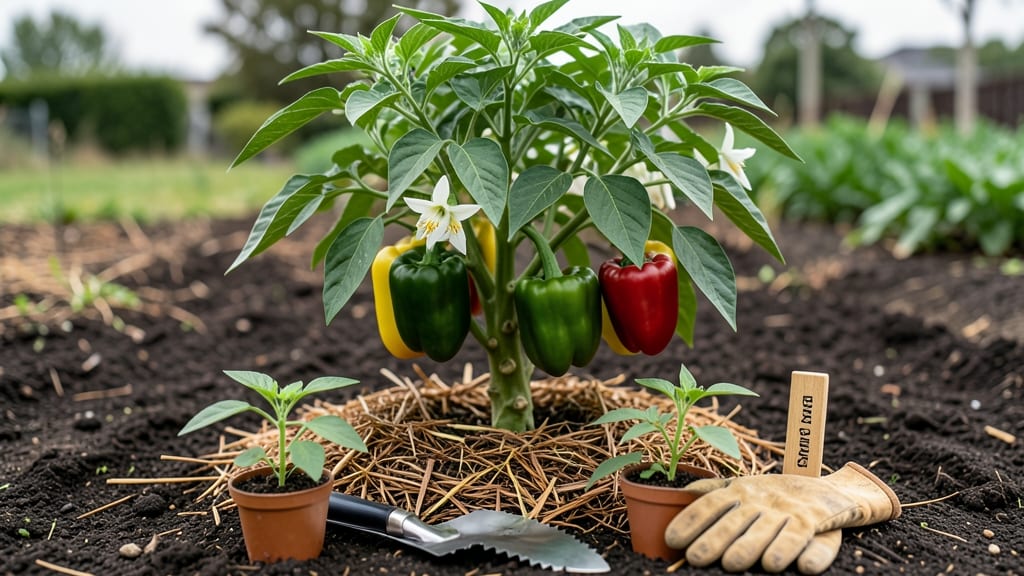
Knowing when to plant bell peppers in Ohio can mean the difference between a bountiful harvest and a sad, frost-nipped garden. The 🌶️ thrives in warm soil, but Ohio’s unpredictable spring weather makes timing everything—especially in USDA Zone 6a, where late frosts can strike as late as mid-April.
Most Ohio gardeners wait until after the last frost date (April 15), but that’s just the start. The real secret? Soil temperature. Bell peppers need 60°F+ soil to germinate properly, and rushing them into cold ground guarantees slow growth or failure.
If you plant too early, you’re gambling with your crop—and nobody wants to lose their peppers to a surprise freeze.
Here’s what I’ll cover: the exact planting window (April 15–May 15) for Ohio, how to test soil temperature like a pro, and whether starting seeds indoors gives you a competitive edge.
Plus, I’ll share my top tips for extending the growing season so you can enjoy fresh peppers from July through October.
Ready to grow peppers that actually make it to harvest? Let’s dive into the strategies that work—no more guessing games. Your garden (and your taste buds) will thank you.
Ohio bell pepper planting calendar: frost dates vs. soil temperature triggers
Ohio’s bell pepper growing season hinges on two critical factors: last frost dates and soil temperature. While the average last frost in Ohio falls around April 15, your exact timing depends on your USDA zone (5-8) and local microclimates.
Northern Ohio gardeners (zones 5-6) face higher frost risk, while southern Ohio (zones 7-8) enjoys a longer window—but soil temperature always wins.
Peppers are heat-loving plants that refuse to germinate below 60°F soil temperature. Even if frost risk has passed, cold soil will leave your seeds sitting dormant in the dirt.
Use a soil thermometer to confirm temperatures are consistently above 60°F before planting—this usually happens 2-3 weeks after your last frost date.
Here’s the 3-step planting timeline Ohio gardeners swear by: First, calculate your last frost date (check Almanac.com for your county). Then, wait 2-3 weeks to account for soil warming.
Finally, plant after Memorial Day (May 25) in northern Ohio or mid-April in southern Ohio—but never before soil hits 60°F.
| Zone | Last Frost Date | Ideal Planting Window | Soil Temp Threshold | Risk Level |
|---|---|---|---|---|
| 5 (Northern OH) | April 20–May 5 | May 15–June 1 | 60°F+ (late May) | High |
| 6 (Central OH) | April 10–April 25 | April 30–May 15 | 60°F+ (early May) | Moderate |
| 7 (Southern OH) | March 25–April 10 | April 15–May 1 | 60°F+ (mid-April) | Low |
| 8 (Extreme SW OH) | March 10–March 20 | March 25–April 15 | 60°F+ (early April) | Very Low |
*Adjust for urban heat islands (+1 week earlier) or cold valleys (-1 week later).
Pro tip: Start seeds indoors 8-10 weeks before your last frost date to give peppers a head start. Use grow lights or a sunny windowsill, and transplant seedlings outdoors only after soil reaches 60°F.
Harden off seedlings for 7-10 days by gradually exposing them to outdoor conditions during the day.
For direct sowing, wait until soil is consistently 60°F+—this usually aligns with late May in northern Ohio and mid-April in southern Ohio. Plant seeds ½ inch deep, 12 inches apart, and 18 inches between rows.
Thin seedlings to the strongest plant per spot to avoid competition.
Ohio’s first frost typically arrives around October 15, but some varieties (like 'Carolina Wonder') can produce peppers until first frost if given proper care. To maximize your harvest, choose early-maturing varieties (60-70 days to harvest) or use season-extending tools like row covers.
Remember: Peppers hate cold feet. Even if air temperatures are warm, cool soil will stunt growth. Use black plastic mulch or straw mulch to warm soil faster and retain moisture. This trick can shave 1-2 weeks off your planting timeline in cooler Ohio zones.
🌱
How to extend Ohio’s bell pepper growing season without risking frost
Ohio’s short growing season can feel like a race against time for bell pepper lovers. But with the right strategies, you can safely extend your harvest window by 4-6 weeks—even in USDA Zone 5-6 areas.
The key? Combining season-extending tools, frost-tolerant varieties, and smart planting techniques. Let’s break down what works best for Ohio gardeners.
First, consider row covers or low tunnels, which can raise soil temperatures by 5-10°F and protect young plants from late spring frosts. These are especially useful in northern Ohio, where frost dates can linger into May.
For a more permanent solution, cold frames or hoop houses let you start seeds 4-6 weeks earlier than traditional outdoor planting.
Season-Extending Tools for Ohio Bell Peppers
| Tool | Pros | Cons | Cost |
|---|---|---|---|
| Row Covers | Extends season by 4-6 weeks, protects from light frost | Limits airflow; may need ventilation | $15-$30 |
| Cold Frame | Year-round growing; extends season by 8+ weeks | High initial cost; requires maintenance | $50-$200 |
| Succession Planting | Continuous harvest; no extra tools needed | Requires space and planning | $0 (just seeds) |
| Heat-Loving Varieties | Tolerates cooler temps; faster maturity | Limited color options; shorter shelf life | $2-$5 per packet |
For Ohio gardeners, succession planting is a game-changer. Instead of planting all your seeds at once, stagger them every 2 weeks from April 15 to May 15. This ensures a steady supply of peppers from July through October, even if early plants get hit by an unexpected frost.
Pair this with fast-maturing varieties like 'Jupiter' (60 days) or 'Carolina Wonder' (70 days), which thrive in Ohio’s shorter summers.
Don’t overlook microclimates—urban areas and south-facing slopes often warm up faster than rural spots. If you’re in southern Ohio (Zones 6-7), you might even squeeze in a second planting in June for a late-season harvest. Just monitor soil temperatures with a thermometer—60°F+ is non-negotiable for germination.
Finally, mulching with straw or black plastic can boost soil temps by 2-4°F and retain moisture. Combine this with a drip irrigation system to keep roots consistently moist without overwatering. With these tricks, you’ll turn Ohio’s unpredictable climate into a bell pepper powerhouse.
🌱