
Planting
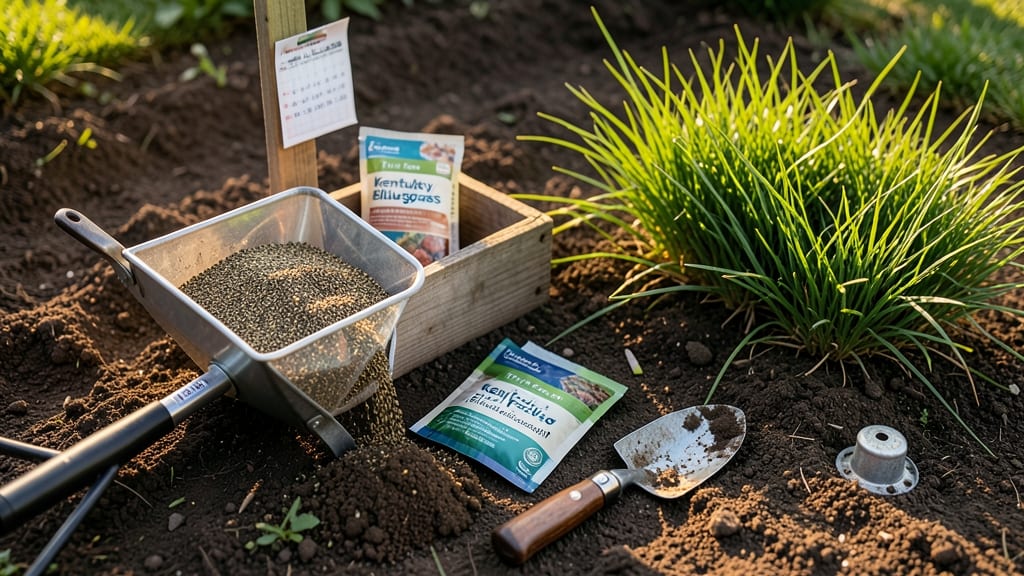
If you’ve ever stared at a bag of grass seed wondering when should I plant grass seed in Ohio, you’re not alone—getting this wrong can mean thin patches, weeds, or throwing money away.
Ohio’s 6a-6b climate throws a curveball with its unpredictable spring rains and early fall frosts, so timing isn’t just about seasons—it’s about soil temperature and regional quirks.
Most gardeners swear by early spring or fall planting, but here’s the catch: soil needs to hit 50–65°F for seeds to germinate properly. In Ohio, that means waiting until mid-April (after the last frost) or aiming for late August to September—before the first frost sneaks in around mid-October.
I’ll break down the exact deadlines by zone, how to check your soil’s readiness (without fancy tools), and why planting at the wrong time can turn your lawn dreams into a weed magnet. No more guesswork—just a lush, Ohio-approved lawn that actually sticks around.
Ready to skip the trial-and-error? Let’s dive into the science-backed windows that’ll give you the thickest, greenest grass possible—no matter where you live in the state.
Ohio grass seed planting deadlines by soil temperature (spring vs fall)
Ohio’s USDA zones 6a-6b mean your grass seed success hinges on soil temperature, not just calendar dates. The magic window for planting is when soil reaches 50-65°F—too cold, and seeds rot; too hot, and they dry out.
Spring and fall each offer prime opportunities, but they require different strategies to outsmart Ohio’s unpredictable frost dates.
In northern Ohio (e.g., Cleveland, Toledo), aim for late April to early May in spring and mid-September to early October in fall. Southern Ohio (e.g., Cincinnati, Columbus) can plant 2-3 weeks earlier due to warmer microclimates.
The key? Soil temperature, not air temperature—seeds need warmth to germinate, but not scorching heat.
Spring planting risks include late frosts that can kill young seedlings, while fall planting benefits from cooler air and warm soil, reducing weed competition. However, planting too late in fall (after October 15) leaves grass vulnerable to winter kill.
Let’s break down the exact deadlines and success rates for each season.
| Factor | Spring Planting | Fall Planting |
|---|---|---|
| Ideal Soil Temp | 50-65°F | 50-65°F |
| Planting Window | Late April–Early May | Mid-Sept–Early Oct |
| Success Rate | 75-85% | 85-95% |
| Key Risk | Late frost damage | Winter kill if planted too late |
| Weed Competition | High (spring weeds) | Low (cooler temps) |
| Best Grass Types | Kentucky bluegrass, tall fescue | Fine fescue, perennial ryegrass |
| Establishment Time | 4-6 weeks | 4-6 weeks |
Fall planting consistently outperforms spring in Ohio because cooler air and warm soil create ideal conditions for seed germination. Grass planted in September-October establishes deeper roots before winter, giving it a head start in spring. However, don’t wait past October 15—new growth won’t harden off before frost arrives.
For spring planting, late April is safer than March in most of Ohio, but southern regions (like Cincinnati) can start as early as mid-March if soil temps are stable.
Use a soil thermometer ($10 at garden centers) to confirm—seeds need 50°F for 5+ days to sprout reliably. If your soil is below 40°F, wait.
Ohio’s microclimates add another layer of complexity. Urban areas like Columbus often have warmer soil than rural zones, while Toledo experiences cooler, wetter springs. Check NOAA’s frost maps for your county and adjust your planting by 1-2 weeks if your area runs 10°F colder than average.
Pro tip: If you miss the ideal window, consider overseeding in late summer (August) with perennial ryegrass, which germinates faster in warm soil. Just be prepared for weed competition—summer weeds thrive when grass is establishing.
Remember: Soil temperature > calendar dates. Even if it’s 70°F outside, if your soil is 45°F, seeds won’t germinate. Use the comparison table above to pick your season, then verify with a soil test. Your lawn’s success starts below the surface.
Ohio grass seed planting deadlines by soil temperature (spring vs fall)
Ohio’s 6a-6b climate means your grass seed’s success hinges on soil temperature, not just calendar dates. Seeds need 50–65°F soil to germinate—too cold, and they rot; too hot, and they dry out.
In most of Ohio, that’s mid-April to early May for spring and late August to early October for fall. But regional differences matter: Toledo’s cooler lakeside air delays planting by 1–2 weeks compared to Columbus.
Spring planting is riskier because of late frosts (average last frost: April 15), while fall offers cooler temps and fewer weeds. However, planting too late in fall (after September 30) risks frost damage before roots establish. The key? Soil temp trumps the calendar—always check before seeding.
Here’s how Ohio’s two main planting windows stack up:
For northern Ohio (e.g., Cleveland, Toledo), aim for late April to early May in spring and mid-September in fall. Southern Ohio (e.g., Cincinnati, Columbus) can plant 2 weeks earlier in both seasons. Always check the NOAA frost forecast—your local extension office has updated maps.
Pro tip: If your soil is too cold (below 50°F), use a seed blanket or straw mulch to warm it faster. For too-hot soil (above 70°F), shade cloth or evening watering can help. Timing isn’t just about the date—it’s about giving your grass the perfect launchpad.
Next, I’ll show you how to test soil temp without fancy tools and adjust for Ohio’s unpredictable weather. Spoiler: A $5 thermometer can save you hundreds in wasted seed.