
Companion Plants
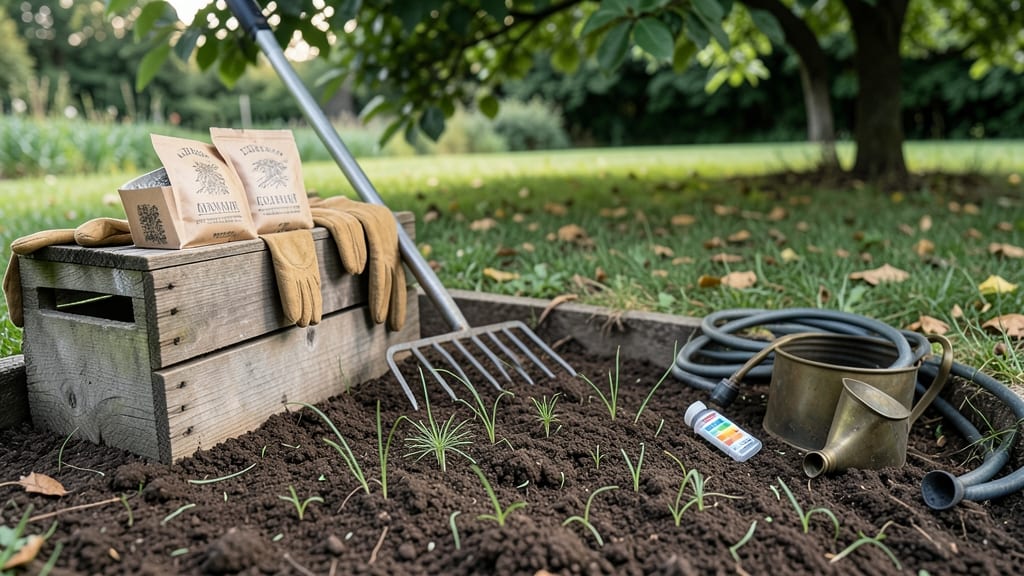
Planting your grass seed at the right time in spring could make all the difference between a vibrant lawn and a frustrating patchwork of dirt and weeds.
With USDA Zone 6 averages showing frost lingering until mid-April, timing is everything—too early risks frost damage, while waiting too long lets weeds steal the show.
Most gardeners assume "spring" means anytime after the first warm day, but the truth is more nuanced. The ideal window is actually 4-6 weeks before your last expected frost, when soil temperatures hit a steady 50-55°F.
That means for Zone 6, you're looking at early April, not March or May.
Why does this matter? Because grass seed needs consistent warmth to germinate properly—cold soil slows growth, while hot soil can dry out seeds before they sprout.
I’ll walk you through how to check your soil temperature, adjust for your local climate, and avoid the most common planting mistakes that ruin even the best-laid plans.
Let’s cut through the guesswork so you can get that lush, even coverage you’re dreaming of—without wasting time, money, or seeds.
Ideal spring soil temperature for planting grass seed
Planting grass seed at the right soil temperature is the secret to strong germination and rapid growth. Most grass types need soil that's warmed to 60-75°F (15-24°C)—this is when seeds break dormancy and roots establish quickly.
If your soil is too cold, seeds may rot; if too hot, they can dry out before sprouting.
Northern climates (USDA Zones 3-5) often wait until late April or early May when soil temps consistently stay above 50°F (10°C). Southern regions (Zones 7-10) can start as early as February or March since their soils warm faster.
The key is consistency—not just a brief warm spell.
To test your soil temperature, use a soil thermometer (insert 2 inches deep) or check local agricultural extension service reports. Morning is best for testing since afternoon sun can skew readings.
Aim for 55°F (13°C) minimum for cool-season grasses like Kentucky bluegrass or 65°F (18°C) for warm-season types like Bermuda grass.
Here’s what happens if you plant at the wrong temps: Seeds planted in soil below 50°F (10°C) risk fungal diseases and slow germination. Planting in soil above 80°F (27°C) causes seeds to dry out before sprouting.
The sweet spot is 60-75°F (15-24°C), where roots grow 1 inch per week.
🌱
| Grass Type | Ideal Soil Temp | Germination Time | Risk Below 50°F |
|---|---|---|---|
| Cool-Season (Kentucky Bluegrass, Fescue) | 50-65°F (10-18°C) | 7-21 days | Fungal rot, slow growth |
| Warm-Season (Bermuda, Zoysia) | 65-75°F (18-24°C) | 10-30 days | Dormancy, weak roots |
| Transition Zone (Tall Fescue, Ryegrass) | 55-70°F (13-21°C) | 5-14 days | Uneven sprouting |
If your soil isn’t warm enough yet, don’t rush—waiting a few weeks for stable temps saves time and money. Use a black plastic mulch to warm soil faster or plant winter ryegrass as a temporary cover to protect bare spots.
Always check your local frost dates and pair soil temp with the 4-6 week rule before last frost.
For coastal climates, where soil warms slower, aim for late April even if temps seem ideal. In desert regions, morning planting (before 9 AM) prevents seeds from drying out in 100°F+ (38°C+) heat. Adjust your schedule based on microclimates—shady spots stay cooler than sunny areas.
Pro tip: Pre-warm bare soil by removing old grass clippings and exposing dark earth to sunlight for 3-5 days before planting. This can raise soil temps by 5-10°F (3-6°C) and speed up germination.
🌿
Frost-free timeline: how many weeks before last frost should you plant?
Timing your grass seed planting around frost dates is the secret to a thriving lawn. For most regions, the 4-6 week rule before the last frost is your golden window.
In USDA Zone 6, where frost typically lingers until mid-April, this means aiming for early April planting. But how do you know exactly when to start?
First, check your local last frost date—this varies by region. For example, in Northern climates (Zones 3-5), frost can linger until late May, while Southern climates (Zones 7-9) may see frost as early as February.
Planting too early risks frost damage, while waiting too long lets weeds take over.
Here’s how to calculate your planting window: Subtract 4-6 weeks from your last frost date. For Zone 6, that’s April 1-15. If you’re in a transitional zone (like Zone 7), you might extend this to late March or early April.
📅 Your Spring Planting Timeline
- 6 weeks before last frost: Prepare soil by removing weeds and loosening top 4 inches.
- 4 weeks before last frost: Test soil temperature—it should be 50-55°F for cool-season grasses.
- 2 weeks before last frost: Plant seeds if soil stays consistently warm; cover lightly with straw if frost is forecasted.
- After last frost: Monitor for weeds and keep soil moist for 2-3 weeks.
Regional differences matter—Northern climates should prioritize early April planting, while Southern climates can start as early as February. If you’re unsure, use a soil thermometer to confirm warmth before planting.
Pro tip: Cool-season grasses like Kentucky Bluegrass thrive in these early windows, while warm-season grasses like Bermuda need to wait until soil hits 65°F+.
Don’t forget to account for unpredictable late frosts. If your area has a history of frost in April, consider using a lightweight frost blanket to protect young seedlings. This extra step can save you from starting over.
Once you’ve nailed your planting window, focus on consistent moisture and weed control to ensure your grass establishes before weeds take over. With the right timing, you’ll see uniform germination in just 7-14 days.