
Plants
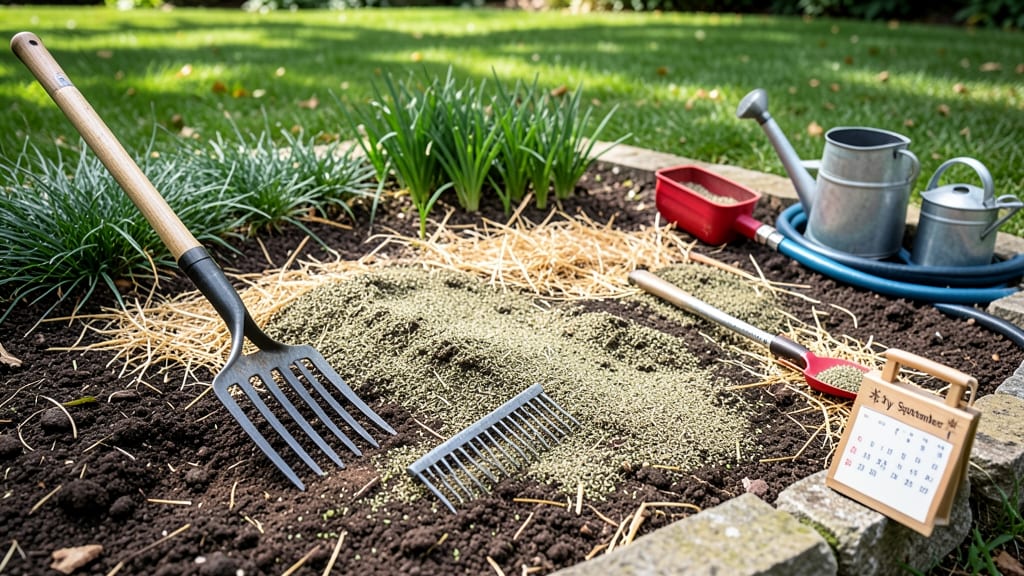
Planting grass seed at the wrong time in Michigan can turn your dream of a lush lawn into a costly mistake—thin patches, slow growth, or even wasted seed. The key to success lies in understanding when soil temperatures and weather patterns align for optimal germination.
With Michigan’s USDA Zones 5b-6b and unpredictable spring and fall weather, timing matters more than most gardeners realize. Whether you're in southern Michigan or the northern regions, planting too early risks frost damage, while waiting too long can leave your lawn vulnerable to weeds.
I’ll break down the fastest windows for planting—plus how to prepare your soil for a thick, resilient lawn.
Most experts agree that early fall offers the best conditions, but spring planting can work with the right preparation. You’ll discover exactly when to sow your seed, how to test soil readiness, and which grass varieties thrive in Michigan’s climate. Let’s get your lawn off to the best possible start.
Ready to transform your yard? The right timing isn’t just about when you plant—it’s about setting your grass up for long-term success. I’ll walk you through every step, from seed selection to post-planting care, so you can enjoy a vibrant lawn all season long.
Best planting windows for Michigan grass seed: spring vs fall timing explained
Michigan’s USDA Zones 4-5 create unique challenges for lawn care—cool summers, harsh winters, and unpredictable spring frost dates demand precise timing. Most gardeners swear by fall planting, but spring can work if you follow the rules.
Let’s break down the best windows for fast germination and thick lawn establishment.
Fall planting (mid-August to mid-September) is ideal because soil stays warm while air cools, reducing water stress and weed competition. Grass seeds germinate slowly in cool weather, giving roots time to establish before winter. For northern Michigan (Zone 4), aim for early September—by October 15, frost typically arrives.
Spring planting (mid-April to early May) works best in southern Michigan (Zone 5b-6a), where last frost dates average April 15. Wait until soil reaches 50°F (10°C) at 4 inches deep—cold soil delays germination. Plant 4-6 weeks before summer heat to avoid drought stress.
Here’s how Michigan’s microclimates affect timing:
| Region | Best Fall Window | Best Spring Window | Soil Temp Threshold | Risk Factor |
|---|---|---|---|---|
| Northern Michigan (Zone 4) | Early Sept (Aug 15–Sept 15) | Late April–May 1 | 50°F (10°C) | Early frost risk |
| Southern Michigan (Zone 5b-6a) | Mid-Sept (Sept 1–15) | Mid-April–May 10 | 55°F (13°C) | Summer drought risk |
| Great Lakes Shorelines | Late Aug–early Sept | Early April–May 1 | 48°F (9°C) | Windburn risk |
Spring planting requires soil prep 2 weeks early—tilling, fertilizing, and removing weeds before seeding. Fall planting is more forgiving: focus on seed-to-soil contact and light mulching to retain moisture. Both seasons benefit from pre-emergent herbicides applied 2 weeks before seeding to block weeds.
Pro tip: Use a soil thermometer to monitor depth—grass seeds need consistent warmth (60°F+ for spring, 50°F+ for fall) to sprout reliably. Northern Michigan’s cooler climate means fall is often the only viable option for thick, fast-growing lawns.
If you miss the ideal window, late summer (July) can work in a pinch for cool-season grasses like Kentucky bluegrass, but expect slower growth. Always prioritize root establishment over speed—weak roots mean winter damage.
For new lawns, divide seeding into two applications (e.g., half in spring, half in fall) to extend the growing season and improve coverage. This “double-seeding” strategy is especially useful in Zone 4, where winters are longest.
Remember: Michigan’s climate variability means checking local Almanac frost dates yearly. Planting too early risks frost heave, while late planting leaves grass vulnerable to summer heat. Balance is key!
🌱
Best planting windows for Michigan grass seed: spring vs fall timing explained
Michigan’s USDA Zones 4-5 create unique challenges for lawn care. The ideal planting window depends on whether you’re in southern Michigan (warmer microclimates) or northern Michigan (colder, shorter seasons). Most experts recommend early fall planting as the gold standard, but spring planting can work with proper preparation.
For southern Michigan (around Detroit or Kalamazoo), aim to plant 4-6 weeks before the first frost, typically between mid-September and early October. Northern Michigan (Traverse City, Marquette) should plant late August to mid-September to avoid early frosts.
Spring planting works best 4-6 weeks after the last frost date, usually mid-April to early May.
🌱 Michigan Grass Seed Planting Comparison
| Season | Best Timeframe | Soil Temp | Pros | Cons |
|---|---|---|---|---|
| Fall | Late Aug - Early Oct | 50-65°F | Cooler temps reduce weeds, roots establish before winter | Limited time window, frost risk in north |
| Spring | Mid-Apr - Early May | 55-70°F | Longer growing season, better for warm-season grasses | Weed competition increases, summer drought risk |
The soil temperature is your best indicator of readiness. Use a soil thermometer to verify temperatures are consistently above 50°F for spring planting or 50-65°F for fall planting. Cool-season grasses like Kentucky bluegrass and fine fescue thrive in these conditions, while warm-season grasses like Bermuda need warmer soil.
Northern Michigan gardeners should prioritize fall planting because the growing season is shorter. Southern Michigan has more flexibility but still benefits from fall planting. If you must plant in spring, prepare your soil 2-3 weeks early to give seeds time to germinate before summer heat arrives.
Remember that late summer planting (August) can work in southern Michigan but risks frost damage in northern regions. Always check your local USDA frost dates and adjust your timeline accordingly. The key is planting when weeds are less aggressive and moisture levels are ideal for germination.
For maximum success, combine proper timing with soil preparation and seed selection tailored to your Michigan microclimate. A well-timed planting can mean the difference between a thin, patchy lawn and a lush, resilient carpet of green that lasts all season. 🌿