
Plants
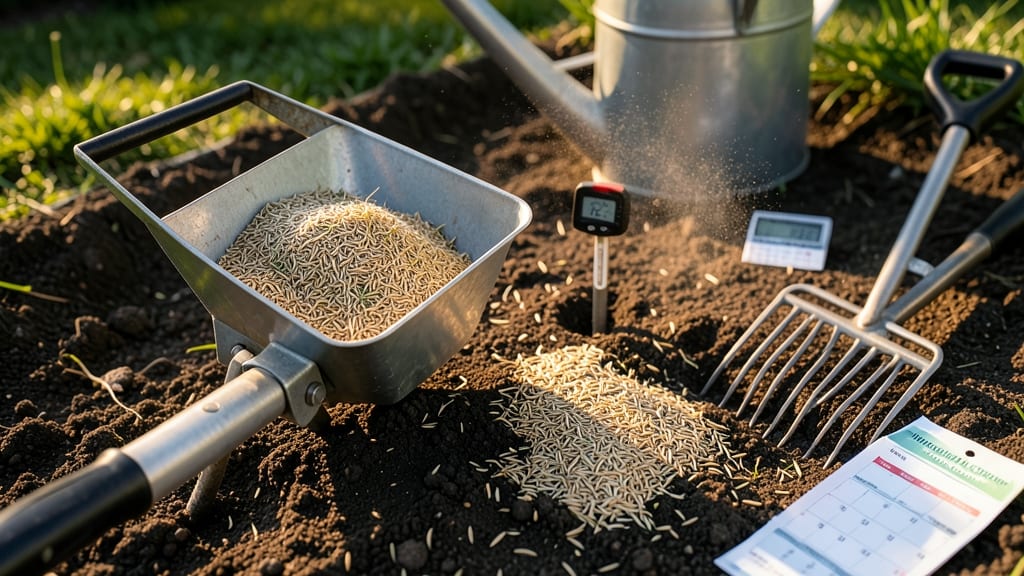
If you're staring at bare patches in your Minnesota lawn and wondering "when is it too late to plant grass seed", the answer isn't as simple as you might think.
While early spring and late summer are ideal, late plantings can still work—if you understand your microclimate and act fast.
Minnesota's 4a-5b zones mean frost dates vary wildly—from mid-May in the south to early June in the north. That means your "last chance" window isn't the same as your neighbor's. The key is knowing how to push the limits without risking winter kill or slow germination.
I'll break down exactly when you can still sow 🌱 Grass Seed (Turfgrass) in each region, plus pro tips to maximize success. Whether you're in the Twin Cities or up north, this guide ensures you don't miss your final opportunity for a full lawn.
From soil temperature tricks to frost-proofing strategies, you'll learn how to extend your planting window—even if you've already missed the "perfect" timing. Let's get your lawn growing before winter sets in!
Minnesota’s last safe grass seed planting dates by Zone (2024 guide)
Minnesota’s USDA zones 3b-5b create dramatic differences in last safe planting dates for grass seed. In Southern Minnesota (5a/5b), you might squeeze in a late September planting, while Northern Minnesota (3b/4a) demands an August cutoff to avoid frost damage.
The key? Soil temperature—seed needs 50°F+ (10°C+) to germinate, and that window shrinks fast as fall approaches.
For cool-season grasses (Kentucky Bluegrass, Fine Fescue), the ideal window is mid-August to early September—but timing varies by 10-14 days between Twin Cities and Duluth. Warm-season grasses (like Bermuda) are rare in Minnesota, but if you’re experimenting, late May is your cutoff before summer heat stalls germination.
Here’s the visual breakdown of last safe planting dates by zone, including urban vs. rural adjustments (cities stay warmer longer).
| Zone | Last Safe Planting Date | Soil Temp Requirement | Urban Adjustment | Risk Level |
|---|---|---|---|---|
| Southern MN (5a/5b) | Early October | 50°F+ (10°C+) | +7–10 days (heat islands) | Low (if frost-free) |
| Central MN (4b/5a) | Mid-September | 50°F+ (10°C+) | +5–7 days (Minneapolis/St. Paul) | Moderate (frost risk) |
| Northern MN (3b/4a) | Early September | 50°F+ (10°C+) | –3–5 days (colder microclimates) | High (early frost likely) |
| All Zones (Spring) | After last frost (late April–early May) | 45°F+ (7°C+) | –5–7 days (rural areas) | Low (ideal window) |
Pro tip: Use a soil thermometer to confirm temps—50°F (10°C) is the minimum for germination. If your soil is cooler, delay planting or use a black plastic mulch to warm it 5–10°F faster.
In Zone 3b, aim for August 15 as your absolute deadline—any later and frost will likely kill seedlings before they establish.
For Southern Minnesota gardeners, pushing into early October can work if you’ve got 10+ frost-free weeks left. Check the National Weather Service’s frost predictions for your county—October 10 is the absolute cutoff for Zone 5b, even with urban heat advantages.
Seedlings need 4–6 weeks to root before winter, so don’t gamble on late starts.
If you’re in Central or Northern Minnesota, mid-September is your last safe bet. After that, switch to overseeding (spreading seed over existing grass) or wait for spring 2025.
Overseeding in late August gives seedlings 6–8 weeks to establish before frost, but you’ll need to reduce mowing height to 2–2.5 inches to protect new growth.
Remember: Daylight hours also matter. By October, shorter days slow growth, so prioritize warm-season grasses (like Tall Fescue) if you’re pushing limits—they handle cooler temps better than Kentucky Bluegrass. Pair your seed with a starter fertilizer (high in phosphorus) to boost root development before winter.
How late can you plant grass seed in Minnesota? Risks vs. rewards by month
If you're still holding onto that bag of 🌱 grass seed in late summer or early fall, don't toss it just yet! Minnesota's climate allows for late-season plantings, but success depends on your USDA zone and the specific month.
For Southern Minnesota (5a/5b), you might have a window until early October, while Northern Minnesota (3b/4a) should aim for mid-September at the latest.
The golden window for late plantings is mid-August to early September, when soil remains warm but nights start cooling. This timing gives seedlings time to establish roots before first frost hits. However, October plantings are risky unless you're using fast-germinating varieties like Tall Fescue or Perennial Ryegrass.
Here’s what you need to know about planting grass seed in each late-season month:
- August: Best month for late plantings. Soil is still 60°F+, and daylight hours are long enough for germination. Ideal for Kentucky Bluegrass and Fine Fescue.
- September: Risk increases as nights cool. Plant 4-6 weeks before frost (aim for early September in the north). Use warm-season varieties like Bermuda Grass if extending further south.
- October: Only attempt in Southern Minnesota (Zone 5a/5b) with fast-growing seeds. Soil must stay above 50°F, and you’ll need protective mulching to prevent frost damage.
Each month brings unique challenges. August plantings benefit from warm soil and long daylight, but weeds may compete with seedlings. September requires soil warming tricks like black plastic mulch or straw, while October demands frost-proofing with row covers or straw blankets.
For Northern Minnesota, the last safe date is typically September 15, while Southern Minnesota can push it to October 1—but only if you’re prepared for late-season care. Always check your local frost date averages and adjust accordingly.
Pro tip: If you’re planting in late September or October, choose cool-season grasses like Tall Fescue or Perennial Ryegrass, which germinate faster in cooler temps. Pair this with a light fertilizer (like 10-0-10) to boost root growth before winter.
Remember, the earlier you plant in the late-season window, the better your chances of a thick, healthy lawn by spring. Don’t wait until the last minute—act now to avoid thin patches or winter kill! 🌿