
Plants
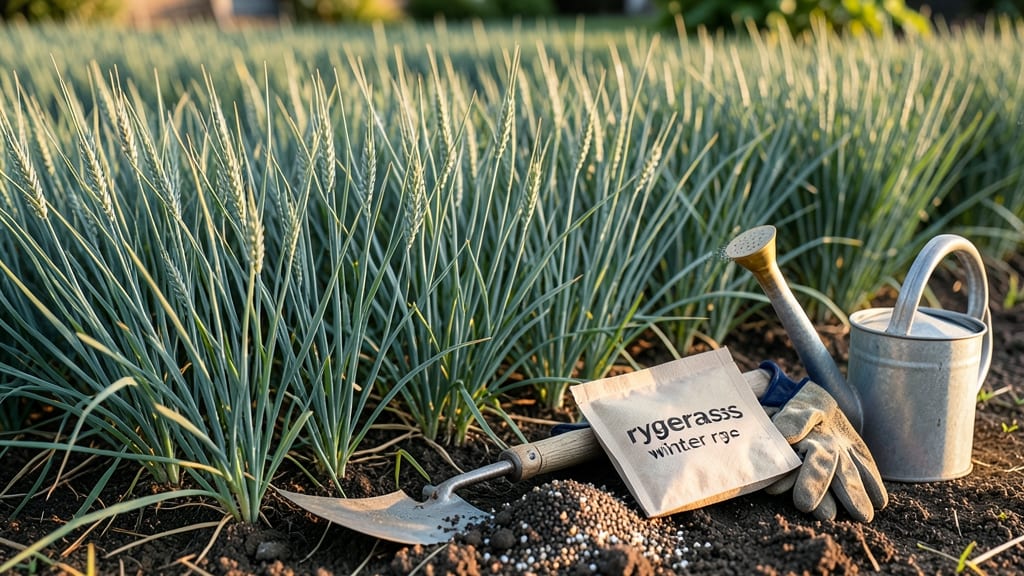
Planting winter grass in Arizona isn't just about timing—it's about beating the heat before the cooler months arrive. The perfect window is between September and November, when soil temperatures drop just enough to give your grass a fighting chance against the desert's relentless sun.
Why does this matter? Because Arizona's 9b climate zone means your grass faces a double challenge: scorching summers and unpredictable winters. Plant too early, and you risk burning your lawn; too late, and it struggles to establish roots before the cold sets in.
The key is finding that sweet spot where the earth is warm enough to encourage growth but cool enough to prevent stress.
You might be thinking, "But my neighbor in Phoenix plants in October, while someone in Flagstaff starts in September—who's right?" The answer lies in your local microclimate.
Whether you're in the Low Desert, Transition Zone, or High Desert, we'll break down the exact months that work best for your specific corner of Arizona.
Beyond timing, we'll cover the heat-resistant varieties that thrive here, soil prep tricks to lock in moisture, and watering strategies that save you money while keeping your lawn lush. Let's get your winter grass off to the best possible start.
Best months to plant winter grass in Arizona (by climate zone)
Arizona’s diverse climate zones mean there’s no single "best" month to plant winter grass—your location dictates success. The Low Desert (Phoenix, Tucson) has a 6-week window from mid-September to early November, while the High Desert (Flagstaff, Prescott) can plant as late as mid-October due to cooler temps.
The Transition Zone (Mesa, Yuma) falls somewhere in between.
Timing isn’t just about months—it’s about soil temperatures. Aim for 60-75°F soil temps (check with a soil thermometer). In Arizona’s heat, planting too early (like July) risks seedling stress, while waiting until December may leave grass vulnerable to winter dieback from occasional frosts in higher elevations.
Rainfall also plays a critical role. In monsoon-dependent areas like Tucson, plant after the late-summer rains (August-September) to leverage natural moisture. Meanwhile, drip-irrigated lawns in Phoenix can plant anytime in the September-November window with consistent watering.
Here’s the breakdown by zone—including soil temp thresholds and rainfall strategies to maximize survival rates:
| Climate Zone | Best Planting Window | Soil Temp Threshold | Rainfall Strategy | Key Risk |
|---|---|---|---|---|
| Low Desert (Phoenix, Tucson) | Mid-September to early November | 60-75°F | Drip irrigation or post-monsoon planting | Seedling stress from residual summer heat |
| Transition Zone (Mesa, Yuma) | Late August to mid-November | 55-70°F | Adjust for monsoon timing (plant after rains) | Uneven germination from inconsistent moisture |
| High Desert (Flagstaff, Prescott) | Mid-August to mid-October | 50-65°F | Natural rainfall or supplemental watering | Frost damage if planted too late |
For Phoenix homeowners, aim for September 15-October 15—this aligns with cooling temps and avoids the 100°F+ soil of summer. Use a soil thermometer to confirm readiness; if temps exceed 80°F, delay planting until nights consistently drop below 85°F.
In Flagstaff’s cooler climate, you can start as early as mid-August, but prioritize well-draining soil to prevent winter waterlogging. Test your soil’s pH (6.0-7.0 ideal) and amend with compost if needed—this boosts nutrient availability during Arizona’s short growing window.
Pro tip: Seed depth matters. In Arizona’s dry heat, plant seeds ¼ inch deep and cover with a thin layer of straw mulch to retain moisture. This simple step can double germination rates in Low Desert conditions where evaporation is rapid.
If you miss the ideal window, December planting is still possible in the High Desert, but use winter-hardy varieties like Tall Fescue and protect seedlings with row covers during rare frost events. In the Low Desert, avoid planting after November 15—grass won’t establish roots before winter dormancy.
Remember: Watering schedules change post-planting. For the first 2 weeks, water daily in the morning to keep soil moist but not soggy. After establishment, reduce to 3x/week—Arizona’s winter grass thrives on deep, infrequent watering to encourage deep root growth.
🌱
Best months to plant winter grass in Arizona (by climate zone)
Arizona’s three distinct climate zones—Low Desert, Transition, and High Desert—each demand different planting strategies for winter grass. The Low Desert (Phoenix, Tucson) has the longest growing window, while the High Desert (Flagstaff, Prescott) faces cooler nights earlier.
Even the Transition Zone (Mesa, Sedona) requires nuanced timing to avoid heat stress or frost damage.
For all zones, soil temperatures below 85°F signal it’s safe to plant. In the Low Desert, aim for late September to early November—this gives grass 6-8 weeks to establish roots before winter rains.
The Transition Zone follows a similar window but may start as early as mid-September to beat the first frost risk. High Desert gardeners should plant by late August to early October to capitalize on residual summer warmth.
Here’s the breakdown you need, tailored to your specific Arizona microclimate:
| Climate Zone | Ideal Planting Window | Soil Temp Threshold | Key Consideration |
|---|---|---|---|
| Low Desert (Phoenix, Tucson) | Late September–Early November | Below 85°F | Avoid monsoon rains; prioritize deep watering. |
| Transition Zone (Mesa, Sedona) | Mid-September–Late October | Below 80°F | Watch for early frost; use frost cloth if needed. |
| High Desert (Flagstaff, Prescott) | Late August–Early October | Below 75°F | Cooler nights; plant earlier to extend growth. |
Rain-dependent timing is critical in Arizona. If your area receives monsoon rains in August, delay planting until after mid-September to avoid waterlogged soil. Conversely, if you’re in a drier microclimate, start seeding in late August to take advantage of residual summer moisture.
Always check the National Weather Service for localized forecasts—your grass’s survival depends on it.
Pro tip: Use a soil thermometer to confirm temperatures. Plant when readings consistently stay below your zone’s threshold for 5 consecutive days. This ensures your grass isn’t shocked by sudden heat spikes, a common issue in Arizona’s erratic climate.
Once you’ve nailed the timing, focus on heat-resistant varieties like Tifway 419 Bermuda or Santa Ana Buffalo Grass, which thrive in these conditions. These grasses won’t just survive—they’ll outperform in your Arizona lawn. 🌱