
Plants
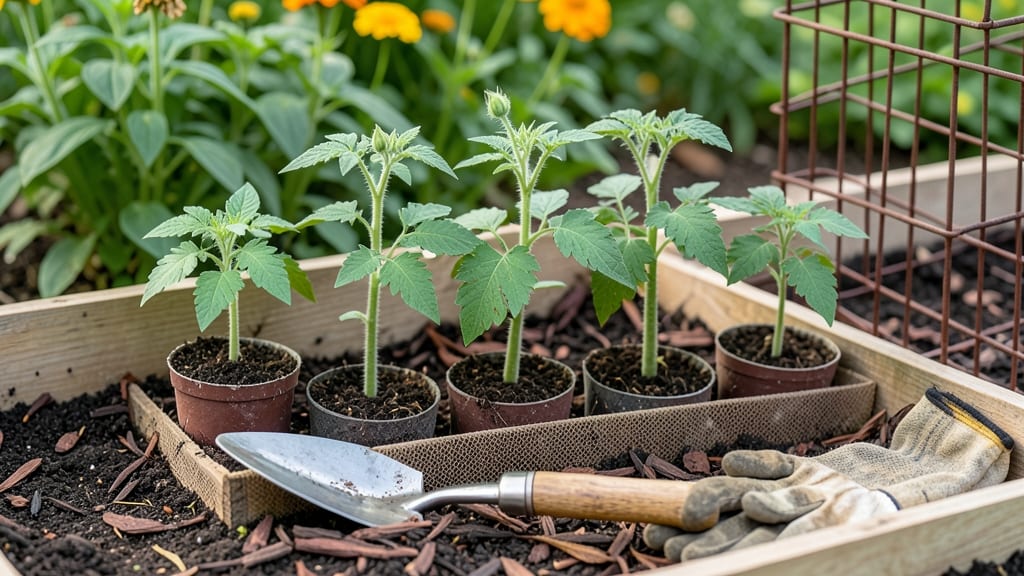
If you’ve ever watched your tomato seedlings bolt too soon—shooting up flowers instead of lush green leaves—you know the frustration of planting the best time to plant tomatoes in Texas at the wrong time.
The key to avoiding this common mistake lies in understanding when soil temperatures hit that sweet spot between 55°F and 70°F, where tomatoes thrive without stress.
Texas gardeners face unique challenges: North Texas' cooler springs, Central Texas' unpredictable shifts, and South Texas' scorching heat all demand different strategies. Whether you're in USDA Zone 7b or Zone 9a, getting the timing right means the difference between a bountiful harvest and wasted effort.
I’ll show you exactly when to plant—both for spring and fall cycles—to maximize your 🍅 yield.
You might think "just plant when it's warm," but that oversimplifies it. Soil temperature is the real game-changer, and I’ll walk you through how to test it like a pro—no fancy tools required.
From seed-starting indoors to direct sowing outdoors, we’ll cover every step to ensure your tomatoes grow strong and productive.
Ready to skip the guesswork? Let’s dive into the exact soil temp triggers, regional planting calendars, and pro tips that’ll help you avoid bolting and grow the best tomatoes Texas has to offer—no matter where you are in the state.
Texas tomato planting calendar: exact dates by region based on soil temperature
Texas’s diverse climate means tomato planting timing varies dramatically from North Texas to South Texas. In Zone 7b-8a (North), your last frost typically arrives by March 15-April 1, but soil temperature—not frost—determines readiness.
For Zone 8b-9a (Central), plant as early as February 15, while South Texas (Zone 9b-10a) gardeners can start January 1 or even late fall for winter crops.
Your tomatoes need soil between 55°F-70°F to thrive. Cooler soil (50°F-55°F) causes bolting (premature flowering), while above 75°F stresses seedlings. Use a soil thermometer to check—this is non-negotiable for Texas success.
I’ve planted in March only to watch seedlings bolt within weeks because the soil was still too cool.
Here’s your region-specific planting calendar based on soil temperature triggers, not just frost dates:
| Region | USDA Zone | Ideal Soil Temp | Planting Window | Fall Option? |
|---|---|---|---|---|
| North Texas (Dallas, Fort Worth) | 7b-8a | 60°F-70°F | March 20 - April 15 | Yes (Aug 15-Sept 15) |
| Central Texas (Austin, San Antonio) | 8a-8b | 58°F-68°F | February 28 - April 1 | Yes (Aug 1 - Sept 10) |
| South Texas (Houston, Corpus Christi) | 9a-10a | 55°F-65°F | January 15 - March 1 | Yes (Sept 1 - Oct 15) |
| West Texas (El Paso, Midland) | 7b-8a | 65°F-75°F | April 1 - April 30 | No (too hot) |
🌱 Pro Tip: Adjust for microclimates—urban areas stay cooler at night, while rural spots heat up faster.
For fall planting, aim for 6-8 weeks before first frost (typically October 15-November 1 in North Texas). Use heat-tolerant varieties like ‘Celebrity’ or ‘Heatmaster’—they handle Texas’s late-season heat better than standard types. I’ve grown fall tomatoes in San Antonio until December with row covers to extend the season.
If you’re starting seeds indoors, begin 6-8 weeks before outdoor planting. Seedlings need 70°F-80°F soil to germinate—use a heat mat if your home stays cool. Transplant outdoor-hardened seedlings when night temps stay above 55°F. My biggest mistake? Rushing seedlings into 50°F soil—they wilted within days.
Texas’s long growing season lets you try succession planting: Sow new seeds every 2 weeks from March-July for continuous harvests. Just monitor soil moisture—dry spells cause blossom drop. I once had three tomato varieties ripening at once by staggering plantings like this.
Don’t forget soil prep: Tomatoes crave well-draining, slightly acidic soil (pH 6.0-6.8). Mix in compost and a balanced fertilizer (10-10-10) before planting. In heavy clay soils (common in East Texas), amend with sand or coconut coir to prevent root rot.
I’ve seen tomato plants drown in compacted soil despite plenty of water.
For container growing, use 5-gallon pots and plant 1-2 weeks later than in-ground tomatoes—containers heat up faster. Place pots in full sun and water daily during Texas summers. My balcony tomatoes in Houston produced 20 lbs last year by following this schedule.
Watch for heat waves after planting. If temps hit 90°F+, use shade cloth (30%) to protect seedlings. I’ve lost entire seedling trays to sudden heat spikes—always have backup plants ready. Mature tomatoes handle heat better, but young plants need protection.
Finally, mark your calendar
How to test soil temperature like a pro: tools and techniques for Texas gardeners
Testing soil temperature is the secret weapon for Texas gardeners who want to avoid tomato bolting and maximize yields. Unlike cooler climates, our hot summers and variable spring nights demand precision—planting too early in 50°F soil can shock seedlings, while waiting too long risks heat stress before harvest.
The key? Knowing when your soil hits that ideal 60-70°F range for seedling roots to thrive.
Most gardeners skip this step, but a simple soil thermometer (or even a DIY candle test) can save your tomato plants from stunted growth. I’ve learned the hard way that urban heat islands in cities like Houston can run 10°F warmer than rural areas just 20 miles away.
That means your neighbor’s perfect planting time might be too hot for your garden. Let’s break down the tools and techniques I use to get it right every time.
Step-by-Step Soil Temperature Testing for Tomatoes
Pro tip: In North Texas, aim for mid-April plantings when soil hits 65°F, while South Texas can start as early as late February thanks to milder winters.
I once planted heirloom tomatoes in 58°F soil and watched them bolt within weeks—a lesson that cost me a $20 seed packet and a summer of store-bought tomatoes!
If your soil is too cold, try these quick fixes: Lay down black plastic mulch 2 weeks before planting to raise temps by 10°F, or use row covers to protect seedlings until soil warms.
For container gardening, dark pots absorb heat faster—just avoid black plastic containers in 100°F+ afternoons or you’ll cook the roots.
Remember: Tomatoes hate cold feet. The root zone needs to stay above 55°F for consistent growth. If you’re in Zone 8b+, you can even squeeze in a fall planting—just test soil again in September for that second harvest window.
With these tools, you’ll outsmart Texas’ unpredictable springs and grow tomatoes that outperform the grocery store every time. 🌱