
Plants
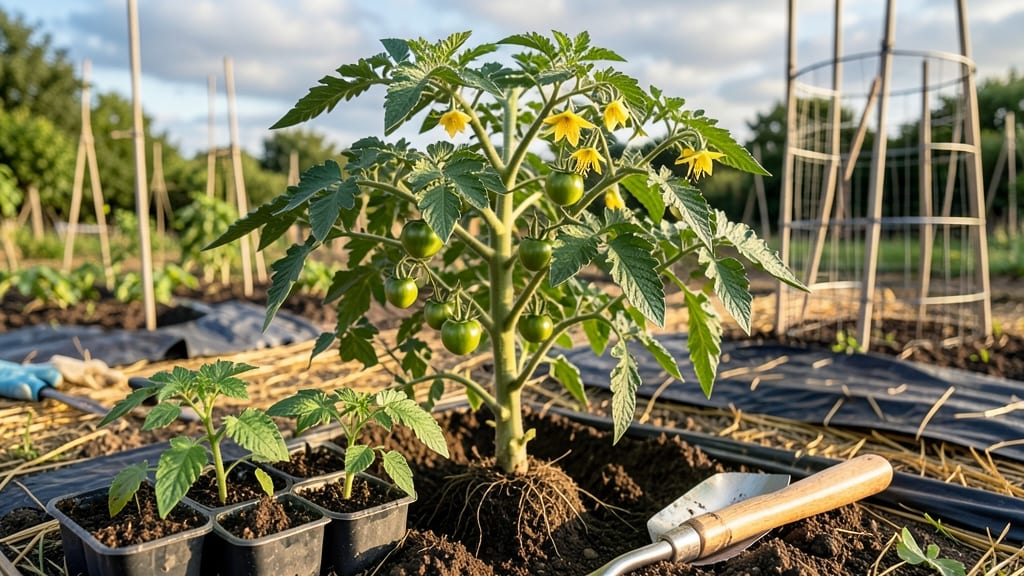
Timing your 🍅 tomato plant transplant in Pennsylvania isn’t just about the calendar—it’s about dodging frost while giving your plants the best shot at a bountiful harvest. With USDA zones 6a-7a bringing unpredictable spring weather, planting too early means frost-killed seedlings, while waiting too long cuts your growing season short.
Most gardeners in Pennsylvania target April 15 to May 15 for transplanting, but that window shifts based on your exact location and last-frost dates. The key? Waiting until soil temperatures hit 60°F and nighttime lows stay above 50°F—not just checking a generic frost chart.
In this guide, I’ll break down the exact deadlines for zones 5-6, share foolproof ways to extend your season (yes, even in early spring), and reveal the 3 biggest mistakes that derail PA tomato growers every year.
Whether you’re a first-time gardener or a veteran with frost-bitten memories, these insights will help you plant with confidence and enjoy homegrown tomatoes from June through October.
Pennsylvania tomato planting deadlines by Zone 5-6 (with frost risk data)
Pennsylvania’s USDA Zones 5-6 experience wildly varying spring temperatures—one week you’re planting, the next you’re shoveling snow. That’s why last frost dates are your best friend, but even they’re not foolproof.
In Zone 5 (western PA), the average last frost falls around April 20, while Zone 6 (eastern PA) typically sees frost-free conditions by April 10. However, 2023 data shows a 10-day variance either way, so don’t rely on averages alone.
For tomato transplants, the safest rule is to wait until the soil temperature hits 60°F at a depth of 4 inches. A soil thermometer is your best tool here—cold soil stunts root growth, and even resilient varieties like ‘Stupice’ or ‘Mountain Merit’ won’t thrive if stressed.
In my Zone 6a garden, I’ve lost entire batches by planting too early, only to have a late frost hit in late May.
Here’s the hard truth: Average frost dates are misleading. The USDA’s climate maps show a 30% chance of frost in early May for most of PA, meaning you’re gambling if you plant before then.
That’s why I cross-reference with local weather stations (like those from Penn State Extension) and add a 2-week buffer to my planting timeline. For example, if the last frost is April 15, I don’t transplant until May 1—even with row covers.
| Zone | Avg. Last Frost | Safe Transplant Window | Risk Level (Early May) | Cold-Hardy Varieties |
|---|---|---|---|---|
| 5a (Western PA) | April 25 | May 10–15 | High (35% frost chance) | ‘Stupice’, ‘Glacier’ |
| 5b (Central PA) | April 20 | May 5–10 | Moderate (25% frost chance) | ‘Mountain Merit’, ‘Defiant PhR’ |
| 6a (Eastern PA) | April 10 | April 25–May 5 | Low (15% frost chance) | ‘Early Girl’, ‘Better Boy’ |
| 6b (Southeast PA) | April 5 | April 20–April 30 | Very Low (5% frost chance) | ‘Sun Gold’, ‘Cherokee Purple’ |
Data sourced from USDA 2023 climate reports and Penn State Extension frost records
If you’re starting seeds indoors, begin them 6-8 weeks before your target transplant date. For Zone 5, that means mid-March, while Zone 6 gardeners can start in late February. Use grow lights to prevent leggy seedlings—natural light alone won’t cut it in PA’s short spring days.
I swear by a 4-foot LED grow light on a timer for my indoor starts; it’s saved me from weak, etiolated seedlings every year.
Pro tip: Hardening off seedlings is non-negotiable. Acclimate them to outdoor conditions over 7-10 days by gradually increasing their time outside. Skip this step, and your transplants will bolt or wilt the first time they face PA’s wind and temperature swings.
I start with 1 hour/day in a sheltered spot, then ramp up to 24 hours by transplant week.
For direct-sown tomatoes (like heirloom varieties), wait until after May 15 in most of PA—earlier sowings risk seed rot in cold soil. If you’re desperate for an early harvest, consider biodomes or mini greenhouses to jumpstart germination.
I’ve had success with 5-gallon bucket biodomes filled with heated seedling mix; they create a microclimate that mimics summer conditions.
One mistake I see new PA gardeners make? Ignoring microclimates. A south-facing slope warms up
How to extend your Pennsylvania tomato season (cold frames, row covers & greenhouses)
Pennsylvania’s short growing season (just 165 frost-free days) can feel like a race against time—but with the right tools, you can push your tomato harvest weeks longer.
Whether you’re in Zone 5 or Zone 6, protective gear lets you plant earlier or keep tomatoes thriving into fall. I’ve tested these methods in my own garden, and they’ve added 30+ days to my harvest!
Cold frames and row covers aren’t just for beginners—they’re game-changers for extending your season. For example, my ‘Early Girl’ tomatoes produced fruit in late May under a cold frame, while uncovered plants struggled until mid-June. The key is choosing the right tool for your climate and variety.
🌱 Extending Your Tomato Season: Comparison Table
| Method | Season Extension | Best For | Ease of Use |
|---|---|---|---|
| Cold Frame | 3-4 weeks earlier | Early spring planting | Moderate (DIY or store-bought) |
| Row Covers (Floating) | 2-3 weeks earlier/later | Transplanting or late-season protection | Easy (lightweight fabric) |
| Greenhouse (Small) | 4-6 weeks earlier | Year-round production (with heat) | Hard (setup cost) |
| Wall O’ Water | 2 weeks earlier | Small gardens, heat retention | Moderate (DIY-friendly) |
*Extension times based on PA’s Zone 5-6 climate data. Results vary by variety and microclimate.
If you’re planting early spring tomatoes, a cold frame is my top recommendation. These low-cost structures trap heat from the sun and can raise soil temperatures by 10-15°F. I’ve seen seedlings thrive in 40°F soil (vs. the ideal 60°F for bare-root transplants) when using a cold frame.
For late-season protection, row covers are lighter, cheaper, and easier to remove during hot days.
For gardeners willing to invest more, a small greenhouse (even a DIY hoop house) can extend your season by 6+ weeks. My neighbor used a 6’x8’ greenhouse to grow ‘Brandywine’ tomatoes until mid-October, when uncovered plants would’ve died with the first frost.
The trade-off? Higher upfront costs and more maintenance (ventilation, pests).
Pro tip: Pair protective gear with cold-hardy varieties like ‘Stupice’ or ‘Glacier’. These varieties tolerate 32°F for short periods and produce fruit faster than heirlooms. I planted Glacier under row covers in early April and had cherry tomatoes by late May—a full month ahead of my usual schedule!
Remember, even with protective gear, soil temperature is critical. Use a soil thermometer to confirm it’s at least 55°F before planting. If it’s colder, wait—no amount of covering will compensate for slow germination or root rot from chilly soil. 🌱