
How To
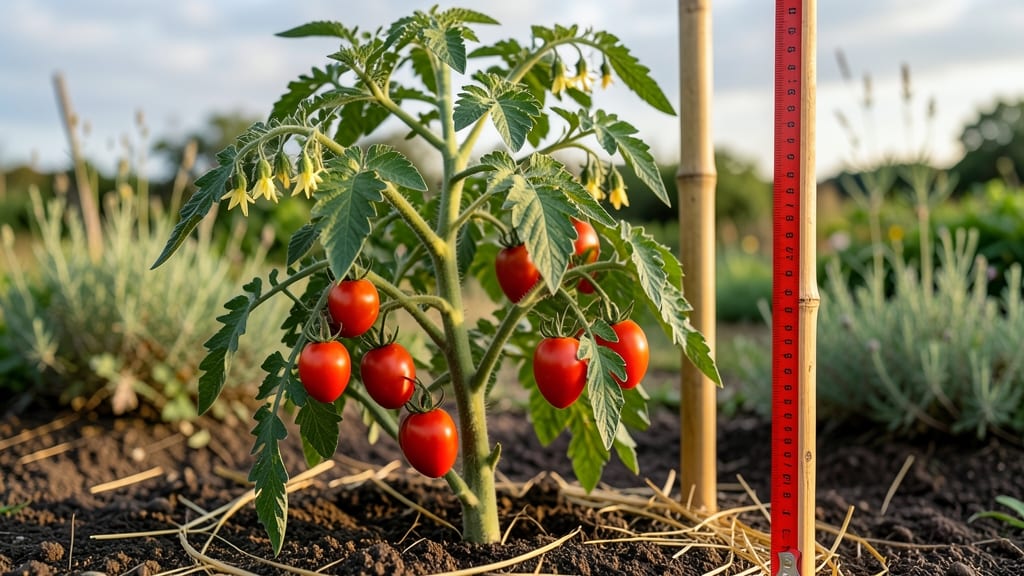
If you’re wondering how tall does a Roma tomato plant grow, the answer might surprise you—especially if you’re working with limited garden space. These classic 🍅 varieties often reach 4-6 feet when left to their own devices, but with the right techniques, you can keep them compact and manageable.
Whether you’re growing in containers or tight garden beds, understanding their growth habits is key to maximizing your harvest without sacrificing space.
The key difference lies in whether you’re growing determinate (bush-type) or indeterminate (vining) varieties. Determinate Roma tomatoes typically stay under 3 feet, making them perfect for small spaces, while indeterminate types can stretch much taller if not properly managed.
I’ll show you how to control their height naturally—no pruning required—so you can enjoy a steady supply of juicy tomatoes without the sprawl.
For those with even tighter spaces, dwarf Roma varieties are a game-changer. These compact plants mature at just 2-3 feet, making them ideal for balconies, patios, or even windowsills. Plus, they produce just as many flavorful tomatoes as their taller cousins.
Let’s dive into the best ways to grow Roma tomatoes at any height—whether you’re a beginner or a seasoned gardener looking to optimize your plot.
Ready to transform your garden into a Roma tomato powerhouse? You’ll learn which varieties thrive in small spaces, how to support them without taking up extra room, and even some clever companion planting tricks to boost your yield. Let’s get growing!

Roma tomato plant height guide: standard vs. compact varieties
When planning your Roma tomato garden, knowing the mature height of your plants is key to maximizing space and yield. Most Roma tomatoes grow between 3 to 5 feet tall, but this can vary dramatically based on whether you’re growing determinate (bush-type) or indeterminate (vining) varieties.
Determinate types typically top out around 3 to 4 feet, making them ideal for containers or small gardens, while indeterminate varieties can climb to 5 to 6 feet or taller if left unchecked.
Understanding these differences helps you decide whether to use cages, stakes, or trellises to manage growth. For example, a Roma VF plant might stay compact at 3 feet, while a traditional Roma tomato could reach 5 feet without support.
Let’s break down the specifics so you can choose the perfect variety for your space.
🌱 Visual Guide: Imagine your Roma tomato plant reaching the height of a standard kitchen counter (~3.5 feet)—that’s the average for determinate types. Indeterminate varieties, however, can grow taller than a 6-foot ceiling if not pruned or supported.
| Variety Type | Mature Height | Growth Habit | Best For |
|---|---|---|---|
| Determinate | 3–4 ft | Bushy, compact | Containers, small gardens |
| Indeterminate | 5–6+ ft | Vining, continuous growth | Trellises, large gardens |
| Dwarf Varieties | 2–3 ft | Ultra-compact | Balconies, patios |
The growth habit of your Roma tomato directly impacts how you’ll need to support the plant. Determinate types, like Roma II, produce fruit in clusters at the top and stop growing once they reach maturity, making them perfect for cages or small pots.
Indeterminate types, such as Roma VF, keep producing fruit all season long but require stakes or trellises to prevent sprawling and breakage.
If you’re growing in containers, opt for dwarf or determinate varieties to avoid overcrowding. A 5-gallon pot can comfortably house a 3-foot Roma tomato, while larger containers (like 7+ gallons) can accommodate taller indeterminate types with proper support.
Always ensure your container has drainage holes to prevent root rot, a common issue with overwatered tomatoes.
Another factor influencing height is pruning practices. Even indeterminate Roma tomatoes can be kept shorter by pinching off suckers (the small shoots that form in the leaf axils). This encourages the plant to focus energy on fruit production rather than vertical growth.
For example, if you prune aggressively, an indeterminate Roma might stay around 4 feet instead of 6 feet.
For small-space gardens, consider vertical gardening techniques. Using a tomato cage (typically 4–5 feet tall) or a trellis allows you to grow taller varieties without sacrificing garden real estate. Just be sure to tie the vines to the support every 7–10 days as they grow to prevent snapping.
Soil quality and nutrient availability also play a role in plant height. Roma tomatoes thrive in well-draining, nutrient-rich soil with a pH between 6.0 and 6.8. Amending your soil with compost or aged manure before planting can promote healthier, more controlled growth.
Avoid over-fertilizing with nitrogen, as this can lead to excessive foliage at the expense of fruit production.
Finally, climate and sunlight affect how tall your Roma tomatoes will grow. In warmer climates, indeterminate varieties may grow faster and taller, while cooler regions might see slower growth.
Always plant in a sunny spot with at least 6–8 hours of direct sunlight daily to ensure optimal growth and fruit set.
By choosing the right variety and providing appropriate support and care, you can enjoy a bountiful Roma tomato harvest—whether your plants reach 3 feet or 6 feet. The key is to match your garden’s space and your gardening goals with the right type of plant.
Roma tomato plant height guide: standard vs. compact varieties
Roma tomatoes are a gardener’s dream for their meaty, flavorful fruit, but their height can vary dramatically depending on the variety and growing conditions. Most standard Roma plants reach 4–6 feet tall when mature, making them ideal for larger gardens or trellises.
However, dwarf and compact varieties exist that stay under 3 feet, perfect for containers or small spaces.
The key difference lies in their growth habits. Indeterminate Roma varieties grow continuously until frost, while determinate types stop growing once they flower. Indeterminate plants can climb to 6+ feet without support, whereas determinate ones max out at 3–4 feet.
Knowing this helps you choose the right type for your space.
| Variety Type | Mature Height | Growth Habit | Best For |
|---|---|---|---|
| Standard Roma | 4–6 ft | Indeterminate | Trellises, large gardens |
| Dwarf Roma | 2–3 ft | Determinate | Containers, small spaces |
| Roma VF (Virus-Resistant) | 3–4 ft | Indeterminate | Urban gardens, raised beds |
If you’re working with limited space, determinate Roma varieties are your best bet. They produce fruit all at once, making them ideal for container gardening or balcony setups. For example, the 'Roma II' variety stays under 3 feet and thrives in 5-gallon pots.
Even indeterminate types can be trained to stay compact with proper support and pruning.
Another factor affecting height is soil fertility and sunlight. Roma tomatoes grown in nutrient-rich soil with 6+ hours of sun daily will naturally grow taller. However, if your garden is shady or soil is poor, expect shorter plants with reduced yields.
Always amend soil with compost or balanced fertilizer to encourage healthy growth.
For vertical gardening, use tall cages or stakes to guide indeterminate plants upward. This not only saves space but also improves air circulation, reducing disease risk. Even compact varieties benefit from light staking to prevent stem breakage under heavy fruit loads.
Remember, height isn’t everything. A well-supported 3-foot Roma plant can yield just as much as a 6-foot giant if given proper care. Focus on plant health, sunlight, and support to maximize your harvest, regardless of size.