
Plants
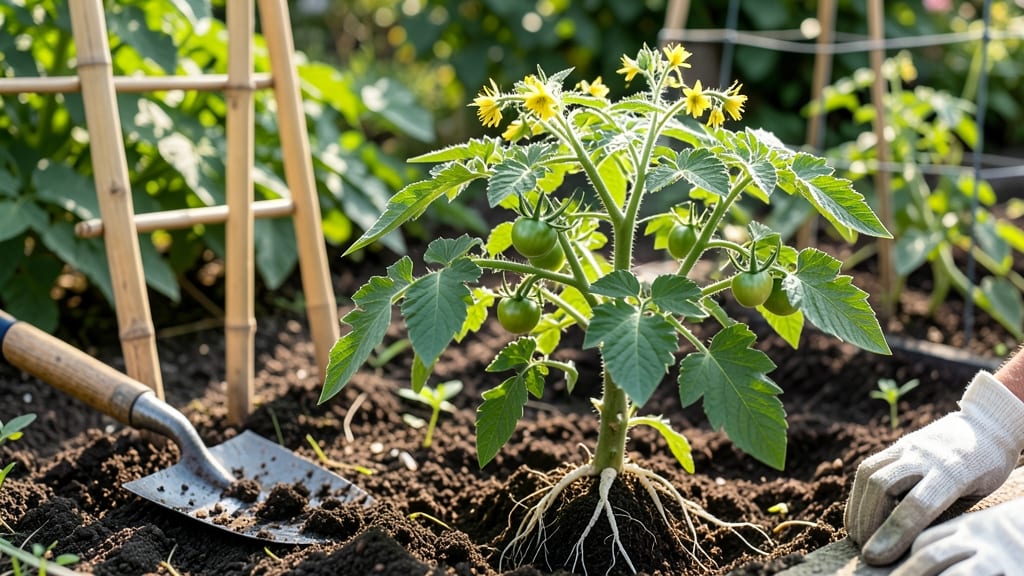
Planting tomatoes in Oklahoma might seem tricky with its unpredictable spring weather, but timing is everything for that perfect 🍅 harvest. The key lies in waiting for soil temperatures to hit 60°F—typically between mid-April and early June—after the last frost date (usually around March 15).
This window ensures your seedlings thrive instead of wilting under Oklahoma’s intense heat.
Whether you're starting seeds indoors or sowing directly, getting the timing right means avoiding common pitfalls like late freezes or scorching summer heat.
I’ll break down the exact dates for Oklahoma City, Tulsa, and rural areas, so you can match your planting strategy to your local climate zone (7a-7b).
For those eager to extend the season, I’ll also cover fall planting tips—yes, you can still grow tomatoes in Oklahoma well into August!—and how to choose heat-tolerant varieties like 'Heatmaster' or 'Solar Fire' that won’t bolt in the midday sun.
Let’s dive into the step-by-step guide that’ll turn your Oklahoma garden into a tomato powerhouse, no matter where you are in the state.
Oklahoma’s best tomato planting dates by region (with heat-tolerant varieties)
Oklahoma’s diverse climate—from northern hills to southern plains—means planting times vary by USDA Zone 7a-7b. The average last frost date ranges from March 15 in southern Oklahoma to April 15 in northern regions. But don’t let frost dates fool you—soil temperature is the real game-changer for tomatoes.
They need 60°F+ soil to thrive, which often lags behind air temperature. In Oklahoma City, that’s usually mid-April, while rural areas like Tulsa can plant 1-2 weeks earlier.
For heat-tolerant varieties, Oklahoma’s summers demand special attention. Varieties like 'Heatmaster' and 'Solar Fire' can handle 90°F+ temperatures without wilting, while 'Arkansas Traveler' resists cracking in humid heat. These aren’t just survival tactics—they’re your ticket to juicy, flavorful tomatoes when most gardens are wilting.
If you’re in Zone 7b (southern OK), you might even squeeze in a fall planting for a second harvest before frost hits in mid-November.
| Region | Avg. Last Frost | Best Planting Window | Heat-Tolerant Varieties | Soil Temp. Goal |
|---|---|---|---|---|
| Northern OK (Zone 7a) | April 15 | April 20–May 10 | 'Heatmaster', 'Solar Fire' | 60°F+ (mid-April) |
| Oklahoma City (Zone 7b) | March 25–April 5 | April 1–April 20 | 'Arkansas Traveler', 'Celebrity' | 60°F+ (late March) |
| Southern OK/Tulsa (Zone 7b) | March 15–March 25 | March 20–April 10 | 'Solar Fire', 'Heatmaster' | 60°F+ (early March) |
| Rural Plains (Zone 7a) | April 10–April 20 | April 25–May 5 | 'Arkansas Traveler', 'Better Boy' | 60°F+ (late April) |
If you’re starting seeds indoors, begin 6-8 weeks before your region’s last frost date. That means February 1–February 15 for most of Oklahoma. Use grow lights or a sunny windowsill (south-facing) to avoid leggy seedlings.
Harden them off 7-10 days before transplanting—gradually expose them to outdoor conditions to avoid shock. I’ve seen seedling failures from skipping this step, especially when Oklahoma’s late-March cold snaps sneak in.
For direct sowing, wait until after May 1 in northern Oklahoma to avoid late frosts. Southern gardeners can direct sow as early as March 20, but use row covers if nights dip below 50°F.
Direct sowing skips the transplant shock, but it’s riskier in Oklahoma’s unpredictable springs. I recommend transplanting seedlings for better control—especially for heirloom varieties that need extra care.
One common mistake is planting too early, even with frost protection. Tomatoes won’t germinate in cold soil (below 50°F), and seedlings will rot if planted before 60°F.
I’ve lost entire batches by ignoring this rule. Instead, use black plastic mulch to warm the soil 2-3 weeks faster—it’s a game-changer for Oklahoma’s slow soil warming.
For extended-season gardening, consider tunnel hoops or cold frames to push harvests into October or November. Varieties like 'Mountain Merit' are disease-resistant and produce well in cooler fall temps.
Just be ready to harvest before hard frost—Oklahoma’s first frost usually hits November 15, but it can come earlier in Zone 7a.
Remember: Oklahoma’s heat is your friend after May 15. Once soil temps hit 70°F+, tomatoes grow like weeds. But without the right timing, you’ll end up with
How to time tomato planting for Oklahoma’s unpredictable weather (avoid common mistakes)
Oklahoma’s last frost date usually lands between March 15 and April 15, but don’t rush to plant—your seedlings need soil temperatures above 60°F to thrive. I’ve learned the hard way that planting too early can leave your tomatoes vulnerable to late freezes or stunted growth.
Always check your local frost-free date and monitor soil temps with a thermometer for accuracy.
For indoor starts, begin seeds 6-8 weeks before your last frost date (around February 15) under grow lights. Use seedling heat mats to keep roots warm, as Oklahoma’s nights can still dip below freezing in early spring.
Harden off seedlings for 7-10 days before transplanting to toughen them up for outdoor conditions.
⚠️ Critical Mistake Alert
Planting too early risks seedling death from late frosts. Use black plastic mulch to warm soil faster and row covers for extra protection during unpredictable spring nights.
Pro Tip: Set up a mini greenhouse or cold frame for young plants until danger of frost has passed.
When transplanting outdoors, choose overcast days or late afternoon to reduce transplant shock. Bury stems deeper than usual—up to ⅔ of the stem length—to encourage stronger root systems. This trick works especially well for indeterminate varieties like 'Sungold' that need extra stability.
For direct sowing, wait until mid-April to early May when soil temps consistently stay above 60°F. Use biodegradable pots to transplant seedlings later if needed, as Oklahoma’s weather can shift suddenly. Space plants 18-24 inches apart for adequate airflow and disease prevention.
Watch for heat stress signs like wilting leaves or blossom drop—common in Oklahoma’s 90°F+ summers. Increase watering frequency to every 1-2 days and use shade cloth during peak afternoon heat. Mulch heavily to retain moisture and regulate soil temperature.
Finally, keep an eye on the 10-day forecast before planting. If a cold snap is predicted, delay transplanting or use row covers to protect tender seedlings. With these precautions, you’ll avoid the most common mistakes and set your tomatoes up for a bountiful Oklahoma harvest.