
Plants
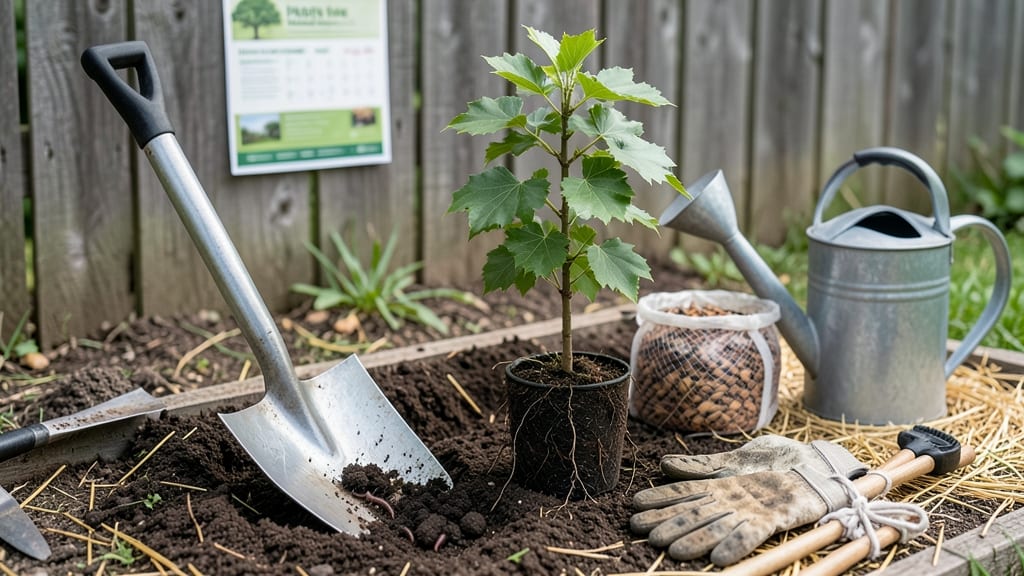
Timing your tree planting in Iowa isn't just about picking a month—it's about outsmarting 5a-5b winters and unpredictable frost that can stall or even kill young roots. Plant too early, and you risk frost heave; too late, and your 🌳 might struggle to establish before the cold sets in.
Iowa’s climate gives you two prime windows: early spring (April) when soil warms to 50°F or fall (September-October) before the first frost hits.
But here’s the catch—western Iowa’s drought-prone soil demands different prep than the wetter eastern regions, and your choice of tree species (like drought-tolerant oaks vs. moisture-loving maples) changes everything.
You’ll discover exactly when to plant bare-root vs. container-grown trees, how to test soil warmth without a fancy thermometer, and why mulching depth matters more than you think. Let’s break down the science behind Iowa’s frost-free timeline and how to give your tree the strongest start possible.
Whether you’re restoring a prairie landscape or just adding shade to your yard, getting this right means decades of healthy growth—no guesswork. Ready to plant with confidence? Let’s dig in.
Iowa’s ideal tree planting window: soil temperature & frost risk timeline
Iowa’s USDA hardiness zones 4-6 mean your tree’s success hinges on soil warmth and frost-free windows. Planting too early risks frost heave, while waiting too long limits root establishment before winter. Let’s break down the perfect planting months based on Iowa State University’s data.
For bare-root trees, aim for early spring (April) when soil reaches 50°F+—typically after Iowa’s last average frost date (April 15). Fall planting (September-October) works too, giving roots 6-8 weeks to establish before first frost (October 15). Container-grown trees offer flexibility year-round, but avoid winter planting.
Northern Iowa (Zone 4) has shorter frost-free periods (150 days), so prioritize fall planting by September 15. Southern Iowa (Zone 6) can plant until October 30, but avoid late fall to prevent root shock before dormancy.
Use a soil thermometer to confirm 50°F+ soil temps at 6 inches deep before planting. In western Iowa, where drought is common, prioritize fall planting to tap into autumn rainfall. Eastern Iowa’s humid climate allows slightly later spring planting, but avoid waterlogged soil.
For container-grown trees, Iowa’s extended growing season lets you plant until November 1 in southern zones, but water deeply before first frost. Bare-root trees planted in late fall risk root desiccation—stick to September deadlines for safety.
Check Iowa State’s frost maps annually, as climate shifts delay last frosts by 5-10 days in some areas. For example, Des Moines’ last frost now averages April 20 instead of April 15. Adjust your timeline accordingly to avoid frost damage to tender new shoots.
Pro tip: Mulch heavily (3-4 inches) after planting to insulate roots during Iowa’s temperature swings. Use shredded bark or straw, keeping mulch 6 inches from the trunk to prevent rot. This helps young trees survive winter even if planted late.
If you miss the ideal window, don’t panic—just water thoroughly and protect with burlap wraps if frost threatens. Spring planting is more forgiving for fast-growing species like silver maples, while slow growers (e.g., white oaks) benefit from fall’s cooler temps.
Remember: Root growth > Top growth. A tree planted in Iowa’s optimal window will outperform one planted at the wrong time by 30-50% in the first 3 years. That’s decades of shade and beauty secured with just the right timing!
Best tree species for Iowa’s planting seasons & their unique needs
Iowa’s USDA zones 4-6 mean some trees thrive in spring while others prefer fall planting. For example, fast-growing oaks like bur oaks establish roots quickly in early spring (April), while slow-starting maples benefit from fall planting (September-October) to avoid drought stress.
Let’s break down the best species for each season and their unique care needs.
In western Iowa’s drier regions, drought-tolerant species like honey locust or black walnut outperform thirsty varieties. Meanwhile, northern Iowa’s shorter growing seasons favor cold-hardy trees like sugar maples or white pines. Each species also has specific planting depth and spacing requirements to ensure long-term success.
🌱
Spring-Planted Trees in Iowa
- Faster root growth in warm soil
- Less frost heave risk than fall
- Ideal for bare-root trees (e.g., oaks, elms)
- Drought risk in May-June
- Requires consistent watering until roots establish
- Limited species selection (avoid frost-sensitive trees)
For fall planting, maples and birches are top choices because they enter dormancy naturally by October 15, Iowa’s average first frost date. These trees also handle compacted clay soils common in Iowa better than spring-planted varieties.
Always plant container-grown trees in fall to avoid transplant shock from winter cold.
Spacing matters too: Oaks and elms need 50-75 feet between trunks to avoid root competition, while fruit trees like apples thrive with 20-30 feet of space. Dig holes 2-3 times wider than the root ball but only as deep as the container—never deeper than the root flare.
🌳
Species-Specific Planting Tips for Iowa
- Bur Oak: Plant in early spring; tolerates wet soils and drought once established.
- Sugar Maple: Best in fall; needs well-draining soil to avoid root rot.
- Honey Locust: Drought-resistant; ideal for western Iowa (plant in spring).
- White Pine: Cold-hardy; plant in fall for northern counties (avoid southern exposure).
- Apple Trees: Plant in early spring; needs cross-pollination (choose 2 varieties).
Mulch 3-4 inches deep around the base (but keep it 6 inches away from the trunk) to retain moisture and regulate soil temperature. In western Iowa’s windy zones, use windbreaks like evergreens to protect young trees.
With the right species and timing, your Iowa tree will grow strong for generations.