
Plants
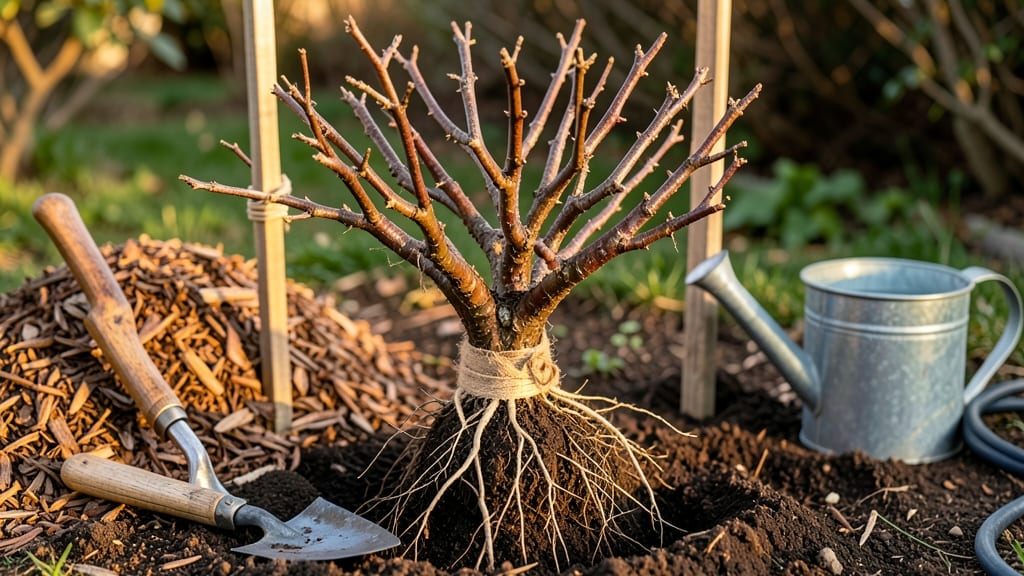
Timing when to plant bare root roses in California isn't just about the calendar—it's about understanding how coastal fog in San Diego behaves differently from inland heat in Fresno.
Plant too early, and your 🌹 might rot in damp soil; too late, and winter rains could wash away your hard work.
Most gardeners know November through March is the prime window, but what you might not realize is that soil temperature thresholds (ideally between 50-60°F) shift dramatically just 50 miles inland.
Coastal zones like 9b can plant as late as February, while desert valleys in 11 need to get them in the ground by December.
I've seen firsthand how a misjudged week can mean the difference between roses thriving and struggling. The key isn't just picking a month—it's reading your microclimate's signals. Let me show you exactly how to match your planting date to your specific corner of California for maximum success.
From soil prep tricks to post-planting care that adapts to your zone, you'll learn the exact steps that have helped California gardeners achieve 90%+ survival rates—no guesswork required. Let's get those roots in the right place at the right time.
California bare root rose planting timeline by Zone: coastal vs inland soil warmth rules
California's diverse microclimates create a 50°F temperature swing between coastal San Diego and inland Fresno. Bare root roses thrive when soil temps stay between 50-60°F—too warm or cold stunts root growth. Coastal areas can plant 2-3 weeks later than inland zones due to ocean moderation.
Your USDA zone (9b-11) dictates planting windows. Zone 9b coastal (e.g., Santa Barbara) has a 6-week later window than Zone 11 inland (e.g., Palm Springs). Always check 10-day forecasts for frost risks before planting.
🌹
| Zone | Region Examples | Ideal Planting Window | Soil Temp Threshold | Key Microclimate Note |
|---|---|---|---|---|
| 11 | Palm Springs, Riverside | November 15 - January 15 | 50-60°F | Inland heat; avoid Dec holidays |
| 10a | Los Angeles, San Bernardino | November 30 - February 15 | 50-60°F | Urban heat islands plant 2 weeks early |
| 9b | Santa Barbara, Monterey | December 15 - February 28 | 55-60°F | Coastal fog delays planting |
| 8a | Sacramento Valley, Redding | November 1 - January 31 | 50-55°F | Cold snaps possible; mulch heavily |
Inland Zone 11 areas like Palm Springs can plant as early as mid-November when soil temps drop below 60°F. Coastal Zone 9b gardeners should wait until mid-December—cooler ocean air keeps soil warmer longer. Use a soil thermometer ($15 at garden centers) to verify temps.
🌡️
Never plant bare root roses when daytime highs exceed 70°F. Inland zones like Fresno can experience 80°F+ days in late winter, shocking tender roots. Coastal San Diego may see 65°F days in January—ideal for planting. Always check 7-day forecasts before digging.
Pro tip: Early December is the safest window for most California gardeners. This gives roots time to establish before spring heat arrives. For container-grown roses, you can plant 2 weeks later than bare root varieties.
🪴
After planting, water deeply 2-3 times weekly for the first month. Inland zones need 1-2 gallons per plant, while coastal areas may require less frequent watering due to higher humidity. Always water at soil level, not the foliage, to prevent fungal diseases.
💧
Mulch with 4-6 inches of wood chips to maintain soil moisture and regulate temperatures. Inland gardeners should use dark mulch (like shredded bark) to absorb heat, while coastal gardeners can use lighter mulch (straw) to reflect ocean breezes. Reapply mulch in early spring as it breaks down.
5 Critical signs your California soil is ready for bare root roses (before you plant)
Before digging in, check these 5 key indicators to ensure your California soil is primed for bare root roses. Skipping these steps often leads to root shock or poor establishment, especially in coastal fog vs inland heat zones.
First, test your soil temperature—it must reach 50-60°F at 6-inch depth.
Use a soil thermometer or the "barefoot test": press your foot into the soil; if it feels cool but not freezing, it’s ideal. Coastal areas like San Diego may need to wait until late November, while inland valleys like Fresno can plant as early as October.
🌱 Critical Signs Your Soil Is Ready
- Soil temp 50-60°F (test with thermometer or "barefoot test")
- No active rain in next 48 hours (avoid waterlogged soil)
- Leaf buds unfurling on nearby plants (sign of warming soil)
- No frost forecast for 2 weeks (check National Weather Service)
- Drained well after 24 hours (poke holes with stick—water should flow freely)
Next, observe local plant behavior. If winter annuals like lupines or calendula are sprouting, your bare root roses are ready too. Coastal gardeners should wait until after the first Santa Ana winds (which dry soil), while inland growers can plant once daytime temps stay below 70°F.
One common mistake is planting too early in coastal zones, where fog delays soil warming.
Use the "finger test": push your finger into the soil; if it feels damp but not soggy, it’s ready. Inland areas can plant sooner, but avoid summer heat—roots can bake in 100°F+ soil.
Finally, check your water drainage. Dig a 6-inch hole, fill it with water, and time how long it takes to drain.
If it takes more than 2 hours, amend with compost or sand to improve aeration. Bare root roses hate soggy roots, so well-draining soil is non-negotiable in California’s clay-heavy zones.
With these 5 signs checked off, your bare root roses will establish roots 3x faster than if planted too early or late. Now grab your gloves—it’s time to plant! 🌹