
Trees
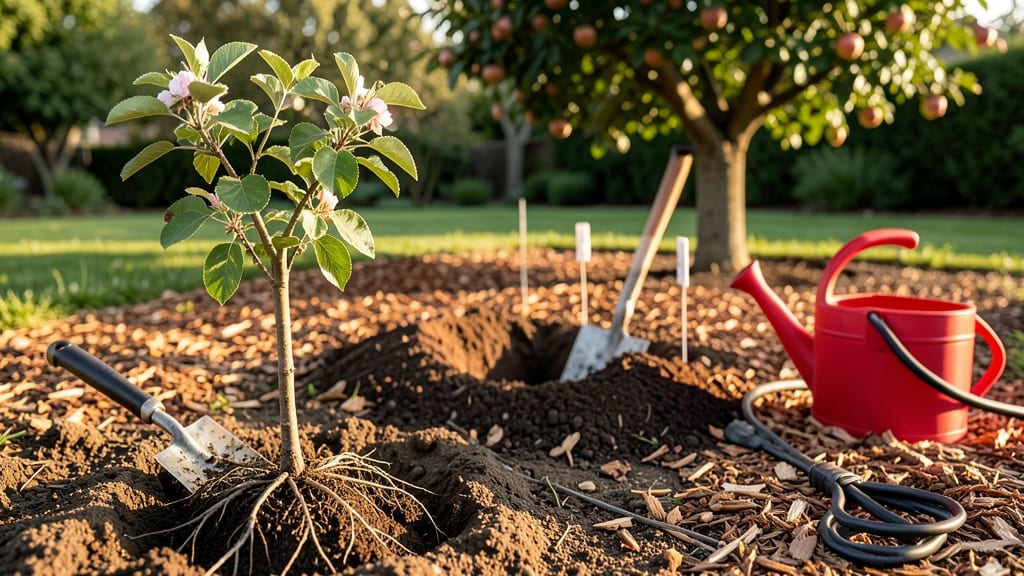
Planting an apple tree 🍎 in Massachusetts at the wrong time could mean struggling through winter or missing the best growth window—so timing is everything. The ideal months for planting in zones 5b-6b are late winter to early spring, when the soil is workable but frost isn’t a threat.
Why does this matter? Because a young tree needs 4-6 weeks before the last frost to establish roots, and Massachusetts’ climate demands precision. Plant too early, and cold snaps can stress the tree; too late, and it won’t have time to settle in before winter dormancy.
I’ll break down the best window—March and April—and how to prepare your soil for strong root growth. Whether you’re planting bare-root saplings or container-grown trees, these tips will help your apple tree 🍎 thrive from day one.
Ready to get started? Let’s dive into the exact steps to ensure your tree takes hold before the first frost hits in October.
Best months to plant apple trees in Massachusetts for optimal root establishment
Massachusetts gardeners know that planting an apple tree at the right time can mean the difference between a thriving orchard and a struggling sapling.
The ideal window for planting in Massachusetts is between late winter and early spring, specifically March and April, when soil temperatures rise above 40°F (4°C) but before the last frost date of mid-April.
This timing ensures your tree establishes strong roots before summer heat and winter cold stress it.
Why does timing matter so much? Apple trees need 6-8 weeks of root growth before dormancy sets in. Planting too early risks frost damage to tender roots, while planting too late delays root establishment, leaving your tree vulnerable to drought or winter stress.
Massachusetts’ USDA hardiness zones 5b-6b mean we must balance these risks carefully.
For bare-root trees, which are most common, the best time is when they’re still dormant but soil is workable. This is typically March through early April.
Container-grown trees, however, offer more flexibility and can be planted throughout the growing season, including late spring, as long as you water them thoroughly afterward.
Here’s how Massachusetts’ climate zones influence your planting schedule:
| Planting Window | Soil Temperature | Root Establishment Goal | Massachusetts Climate Note |
|---|---|---|---|
| Late Winter (Feb-March) | 40-50°F (4-10°C) | Early root growth begins | Risk of frost in northern MA (e.g., North Adams) |
| Early Spring (March-April) | 50-60°F (10-15°C) | Optimal root expansion | Best for most of MA (Boston to Worcester) |
| Late Spring (May) | 60°F+ (15°C+) | Root catch-up possible | Coastal areas (Cape Cod) only; inland too dry |
| Fall (Oct-Nov) | 50°F+ (10°C+) | Root growth before dormancy | Risky in most of MA; only for container-grown trees |
If you’re planting in fall, limit it to container-grown trees and do so by mid-October to allow roots to establish before winter. Bare-root trees planted in fall rarely survive our winters unless you’re in the coastal zones (5a), where mild winters are more common.
Always check the Massachusetts Extension Service for your specific region’s frost dates.
Pro tip: Amend your soil with compost and organic matter before planting to improve drainage and fertility. Apple trees prefer well-draining, slightly acidic soil (pH 6.0–6.5). In heavy clay soils common in western MA, consider raising beds or mixing in sand and peat moss.
For dwarf varieties, which are popular for home gardens, the same timing rules apply, but their smaller root systems establish faster. Semi-dwarf and standard trees need the full 6-8 week root window to thrive.
If you’re unsure about your variety, err on the side of early spring planting (March) for maximum success.
Remember, the goal is to give your apple tree’s roots a head start before the first frost. With the right timing and soil prep, you’ll be enjoying homegrown apples in 5-7 years—and maybe even sharing them with neighbors! 🍏
Best months to plant apple trees in Massachusetts for optimal root establishment
Massachusetts gardeners know that timing is everything when planting apple trees 🍎. The ideal window for planting in USDA zones 5b-6b is late winter to early spring, specifically March and April.
This timing ensures your tree establishes roots before the last frost—typically around April 15—but avoids the stress of winter cold.
Why these months? March and April offer workable soil temperatures (above 40°F) while still being cool enough to prevent drought stress. Bare-root trees, which are most common, thrive when planted in dormancy but before active growth begins.
Container-grown trees can also go in during this window, but they need extra care to prevent transplant shock.
Here’s the breakdown: Planting in February is possible in milder coastal areas, but inland regions should wait until March to avoid frost damage. May is too late—your tree won’t have enough time to establish roots before winter dormancy sets in by October 15.
| Planting Window | Best For | Soil Temp | Root Growth |
|---|---|---|---|
| Late February | Coastal MA (5b) | 40-45°F | Slow but steady |
| March-April | Inland MA (6a-6b) | 45-55°F | Optimal |
| May | Last resort | 55-65°F | Risky (late start) |
For bare-root trees, plant as soon as your soil thaws—typically late February to March. Soak the roots in water for 1-2 hours before planting to rehydrate them. For container-grown trees, you can plant slightly later (up to May), but prioritize watering to reduce transplant shock.
Always dig a hole twice as wide as the root ball to encourage root spread.
Pro tip: Amend your soil with compost or aged manure to improve drainage and fertility. Apple trees prefer slightly acidic soil (pH 6.0–6.5). Test your soil before planting—many Massachusetts soils are too alkaline without amendments.
A 5-gallon bucket of compost mixed into the planting hole works wonders for root establishment.
Once planted, mulch around the base with wood chips to retain moisture and regulate soil temperature. Water deeply once a week for the first month, then taper off as roots establish. By June, your tree should show new growth—a sure sign it’s off to a great start!