
Plants
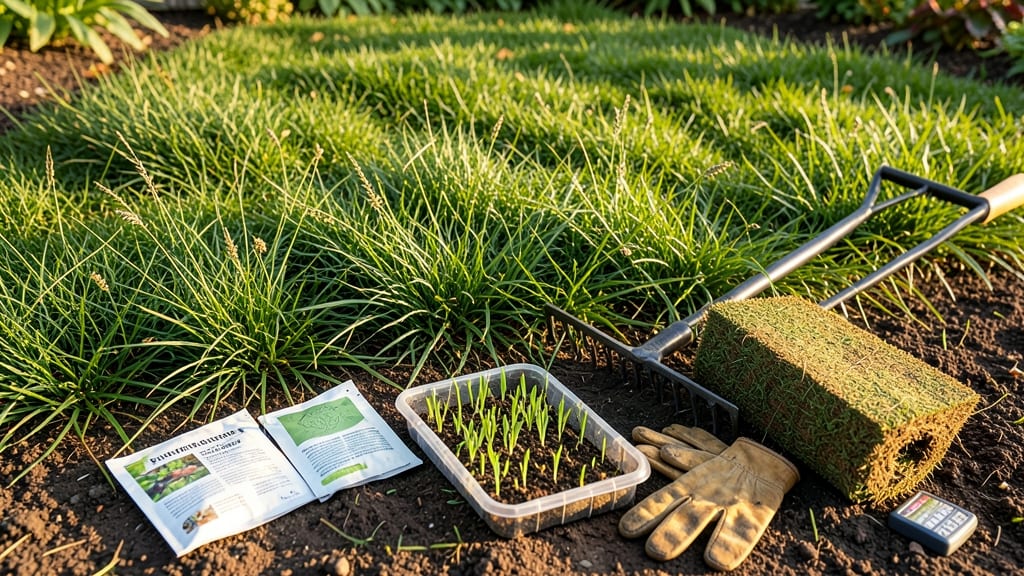
Planting grass in Kansas at the wrong time can mean weak roots, patchy coverage, and wasted money—so getting the timing right is the key to a lush lawn that stands up to Kansas' unpredictable weather.
With USDA zones ranging from 5b in the north to 7a in the south, your best planting window depends on when the soil warms up and when frost arrives.
The ideal months are early spring (March-April) or early fall (September-October), but there's more to it than just picking a month.
I'll break down exactly what to look for—soil temperatures, rainfall patterns, and even how your Kansas region affects the perfect planting schedule. You'll discover how to prepare your soil, choose the right grass type, and avoid common mistakes that lead to thin, struggling lawns.
Whether you're seeding a new yard or overseeding an existing one, these insights will help you establish deep, drought-resistant roots that stay green through Kansas' hottest summers and coldest winters.
Kansas grass planting calendar: exact months by climate zone (2024)
Kansas' diverse climate—from the cooler northern regions to the warmer southern plains—means your grass planting window can vary by up to 6 weeks.
For Northern Kansas (USDA Zone 5b), aim for late April to early May in spring, while Southern Kansas (Zone 7a) can plant as early as mid-March. These timelines align with soil temperatures of 55-65°F, ideal for seed germination.
Fall planting is equally critical, with September 1-15 being the sweet spot across all regions. This gives grass 6-8 weeks to establish roots before winter dormancy. Cool-season grasses like Tall Fescue thrive in these windows, while warm-season grasses like Bermuda prefer late spring planting (May-June) when soil stays consistently warm.
Here’s how Kansas’ three climate zones break down for optimal planting:
| Climate Zone | Spring Planting Window | Fall Planting Window | Soil Temp Threshold | Key Consideration |
|---|---|---|---|---|
| Northern Kansas (Zone 5b) | Late April – Early May | September 15 – October 1 | 55–60°F | Frost risk; use frost blankets |
| Central Kansas (Zone 6a) | Mid-April – Late April | September 1 – September 15 | 60–65°F | Moderate rainfall; monitor soil moisture |
| Southern Kansas (Zone 7a) | Mid-March – April | August 20 – September 10 | 65–70°F | Drought risk; irrigate deeply |
For cool-season grasses like Kentucky Bluegrass or Fine Fescue, prioritize spring planting when daytime highs reach 70°F but nights stay cool (50°F). These grasses establish quickly in 4–6 weeks with consistent moisture.
In contrast, warm-season grasses like Zoysia or Buffalo Grass need soil temps above 65°F for 3+ weeks before planting.
Pro tip: Use a soil thermometer ($10 at garden centers) to confirm readiness. Stick it 4 inches deep—the depth where grass roots grow. If temps dip below 50°F at night, delay planting to avoid seed rot or poor germination.
Kansas’ unpredictable weather—especially late spring frost or summer droughts—means flexibility is key. If you miss the ideal window, late August is a secondary option for cool-season grasses, but expect slower establishment. Always test soil pH (aim for 6.0–7.0) and loosen compacted soil 4–6 inches deep before seeding.
Timing isn’t just about months—it’s about microclimates. South-facing slopes warm faster than shaded areas, so adjust your schedule accordingly. For example, Wichita’s urban heat island can push planting 2 weeks earlier than rural Salina, where cooler nights delay germination.
Remember: Overseeding in fall (late September) is your best bet for thicker, greener grass the following spring. This aligns with Kansas’ natural rainfall patterns, reducing irrigation needs. Just avoid planting when frost is forecasted within 72 hours—seeds need stable conditions to sprout.
🌱
5 Critical factors that determine success (beyond just months)
Kansas' drought-prone climate and variable frost dates mean timing isn't the only factor—soil temperature, rainfall, and even your local microclimate play huge roles. For example, northern Kansas (USDA Zone 5b) often faces earlier frosts than southern Kansas (Zone 7a), shifting ideal planting by weeks.
Let’s break down what truly matters beyond just picking a month.
First, soil temperature is non-negotiable. Grass seeds need consistent soil temps between 50°F and 70°F to germinate properly. In Kansas, this usually means waiting until mid-April for spring plantings or aiming for early September for fall.
Use a soil thermometer—if temps dip below 50°F, germination slows dramatically, leaving your lawn vulnerable to fungal diseases and weed competition.
Next, rainfall reliability is a game-changer. Kansas averages 20–35 inches annually, but summer droughts can hit hard. If you plant in late spring, be prepared to irrigate consistently for the first 4–6 weeks—even if the forecast looks dry.
Fall plantings often have an edge here because cooler temps reduce evaporation, and autumn rains (like those in September–October) help establish roots before winter.
Don’t overlook microclimates—your yard isn’t uniform! A south-facing slope might warm up 2–3 weeks earlier than a north-facing low spot. If you notice uneven germination after planting, check for shaded areas or compacted soil that could delay growth.
For example, Tall Fescue (a top cool-season choice) thrives in full sun but can struggle in deep shade, where Fine Fescue might perform better.
Finally, soil pH and seed type interact with timing. Kansas soils often lean alkaline (pH 7.5+), which can stunt cool-season grasses. Test your soil 4–6 weeks before planting—if pH is off, apply lime (to raise pH) or sulfur (to lower pH) early.
For warm-season grasses like Bermuda, wait until soil temps hit 65°F+ (usually late May in Kansas), but they’ll need full sun to outcompete weeds.
Pro tip: If you’re in a drought-prone year (like 2023), consider oversowing with a drought-tolerant variety like Buffalo Grass or Tall Fescue blends. These handle moisture stress better and give you a second chance if early plantings fail. Timing matters, but smart adjustments make all the difference. 🌱