
Plants
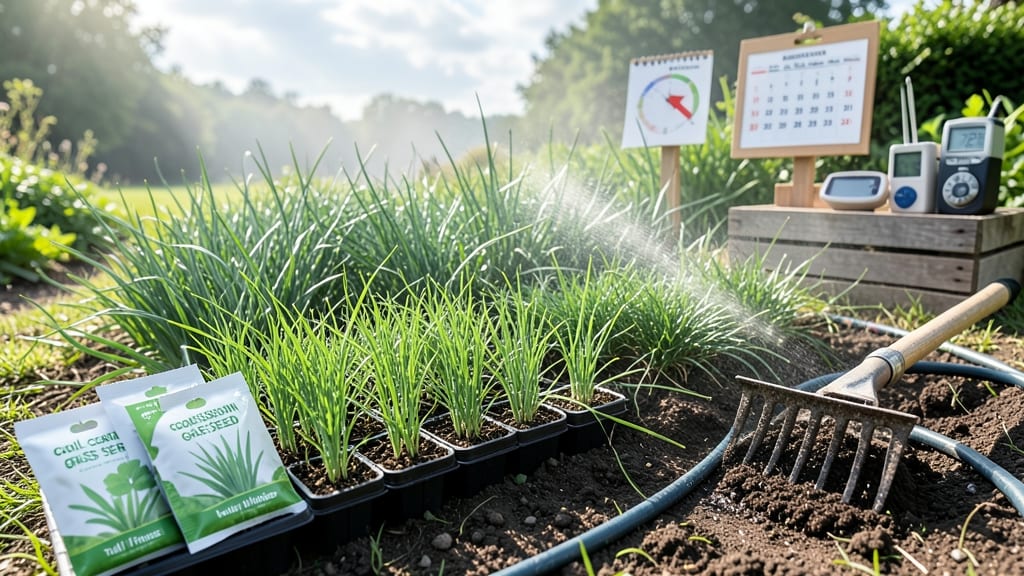
Knowing when is it too late to plant grass seed in Michigan can save you from a winter-killed lawn—or a wasted bag of seed. The wrong timing means struggling with weak germination, frost damage, or even total failure, especially in zones 5b-6b where temperatures drop fast.
Most Michigan gardeners swear by fall planting, but even then, pushing too late risks hard frosts creeping in by mid-October. The key isn’t just the calendar—it’s soil temperatures (aim for 50-65°F) and your grass type.
Cool-season varieties like Kentucky bluegrass need time to root before winter, while warm-season grasses like Bermuda have different rules.
I’ll break down the exact last dates for Northern vs. Southern Michigan, plus how to tell if your late planting will fail—and what to do about it. Whether you’re seeding a new lawn or repairing bare patches, these insights will help you avoid costly mistakes.
Ready to plant with confidence? Let’s dive into the science behind Michigan’s grass-growing window and how to make the most of it, even when time is running out.
Michigan grass seed planting deadlines by soil temperature (2024 guide)
Michigan’s cool-season climate means fall is the prime time to plant grass seed, but pushing too late risks winter kill or weak germination. The soil temperature threshold of 50°F-60°F is your golden rule—below that, seeds struggle to sprout before frost.
For Northern Michigan (USDA Zone 5b), aim to finish by mid-September, while Southern Michigan (Zone 6b) can stretch until early October.
Cool-season grasses like Kentucky bluegrass and tall fescue dominate Michigan lawns, thriving when planted 4-6 weeks before frost. Warm-season grasses (e.g., Bermuda or zoysia) are rare here but can be planted late spring—though they’re not ideal for Michigan’s winters.
Always check the Michigan State University Extension for localized frost alerts.
Soil temperature is more critical than calendar dates. Use a soil thermometer (insert 4" deep) to confirm readings. If temps dip below 50°F, germination slows dramatically, leaving seedlings vulnerable to hard frosts. Late plantings may also face dormancy risks if winter arrives early.
Here’s your 2024 Michigan grass seed planting timeline by region, based on soil temps and frost averages:
| Region | Ideal Planting Window | Last Safe Date (Soil Temp ≥50°F) | Risk After This Date |
|---|---|---|---|
| Northern Michigan (Zone 5b) | Late August - Mid-September | September 15 | Severe frost risk; seeds may not establish |
| Southern Michigan (Zone 6b) | Late August - Early October | October 5 | Slow germination; winter dormancy likely |
| Both Regions (Spring) | Early April - Mid-May | May 15 (soil ≥55°F) | Late plantings face drought stress |
For late-September plantings, choose fast-germinating blends like annual ryegrass (sprouts in 5-7 days) or creeping red fescue.
Pair these with a starter fertilizer (high in phosphorus) to boost root growth before winter. Hydroseeding is another option for late plantings—it locks in moisture and seed-to-soil contact better than traditional methods.
If you’re planting in October, prioritize soil prep. Loosen compacted soil with a core aerator and add compost to improve drainage. Mulch with straw (not grass clippings) to insulate seeds from temperature swings. Avoid nitrogen-heavy fertilizers late in the season—they encourage top growth but weaken roots before winter.
Watch for hard frost warnings from the National Weather Service.
If frost is forecast within 7-10 days of planting, delay until spring or use row covers for protection. Southern Michigan may get away with early October plantings, but Northern Michigan should err on the side of caution—seeds planted after September 20 often fail to establish before winter.
Pro tip: Test your soil’s pH (ideal range: 6.0-7.0) before planting. Lime can adjust acidic soil, while sulfur lowers pH if needed. A simple $20 soil test kit from a garden center saves money on wasted seed and fertilizer.
Remember, spring planting is always an option, but fall plantings give grass a 3-4 month head start to establish roots before summer heat. If you miss the fall window, overseed in early spring (March-April) for a lush lawn by summer.
Signs your late grass seed planting will fail (and how to fix it)
Even with the best intentions, late-season grass seedings can go south fast. Hard frosts, compacted soil, or seed dormancy are silent killers. Watch for these red flags before it's too late to intervene.
Your new grass sprouts look weak and pale—chlorosis (yellowing) signals poor nutrient uptake, often from cold soil or overwatering. This happens when seeds struggle to germinate in temperatures below 50°F, common by late October in Michigan.
Soil compaction from heavy foot traffic or frost heave can smother seedlings. Press your thumb into the soil—if it feels like packing snow, roots can't penetrate. Loosen the top 2 inches with a rake or aerator to give seeds room to breathe.
- Frost damage: Seeds won't survive 28°F+ soil temps.
- Fungal growth: Wet leaves at night invite disease.
- Dormancy: Seeds may wait for spring, wasting your money.
If your lawn looks like a patchwork quilt with bare spots, uneven germination is the culprit. Uneven moisture or seed clumping during sowing creates weak spots. Next time, use a broadcast spreader and water lightly but frequently (3x/day for 5 minutes) to keep soil moist.
Don't ignore weed competition—crabgrass and chickweed sprout faster than grass in cool weather. Pull weeds manually or apply a pre-emergent herbicide like corn gluten meal before seeding to block their growth.
For true emergencies, consider hydroseeding—it locks in moisture and nutrients better than dry seed in late fall. Mix annual ryegrass (fast-germinating) with a mulch/hydrogel blend to extend the growing window by 2-3 weeks.
When in doubt, check Michigan State University's Lawn Calendar for your county's frost dates. Pro tip: If you plant after October 15th in Northern Michigan, prioritize winter-hardy fescue over Kentucky bluegrass.