
Plants
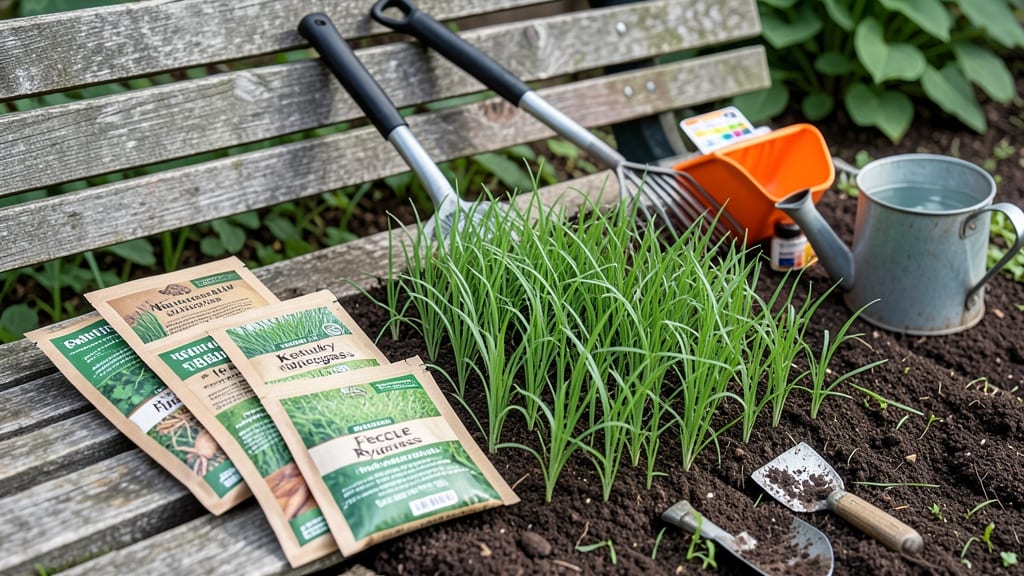
Timing your grass seed planting in spring is the secret weapon behind that envy-worthy lawn—if you get it wrong, you’re staring at bare patches all summer.
The magic window isn’t just “early spring” or “late spring,” but a precise calculation based on soil temperature, frost risk, and your local climate zone.
In USDA Zone 6a (like much of the Midwest), aiming for 4-6 weeks before your last frost date—typically mid-March to early April—gives seeds the perfect head start. Too early? Frost will kill tender sprouts. Too late? Summer heat will stress young grass before it establishes roots.
I’ll break down the exact timing for cool-season vs. warm-season grasses, plus a 3-step checklist to prep your soil so your lawn germinates fast and stays thick. No more guessing—just science-backed results.
Ready to skip the patchy lawn? Let’s dive into the fastest way to plant grass seed for a green carpet by summer, no matter where you live.
Best weeks before last frost to plant grass seed for optimal germination
Planting grass seed at the right time in spring ensures strong germination and a thick lawn by summer. The ideal window is 4-6 weeks before your last frost date, when soil temperatures consistently reach 50-60°F (10-15°C). This timing balances frost risk with warm enough soil for seed activation.
Why this timing? Grass seeds need consistent warmth to sprout, but planting too early risks frost damage. Cooler soil (40°F/4°C or below) slows germination, while warmer soil (70°F/21°C+) can cause seeds to dry out before sprouting.
Most cool-season grasses (like Kentucky bluegrass or fescue) thrive when planted in early spring, while warm-season grasses (like Bermuda or Zoysia) prefer late spring. Your local USDA hardiness zone further refines this window—Zones 3-5 may plant 3-4 weeks earlier than Zones 7-10.
For example, if your last frost date is April 15, aim to plant between March 1–15. In USDA Zone 8 (last frost: March 1), plant by mid-February. Always verify with your local cooperative extension service for hyper-local advice.
Pro tip: Test your soil’s readiness by pressing your finger 2 inches deep. If it feels cool but not icy, it’s time. Pair this with a soil thermometer for precision—55°F (13°C) is the sweet spot for most grass types.
Once planted, maintain daily moisture for the first 2 weeks (use a light sprinkler to avoid displacing seeds). Avoid walking on the lawn until germination (7–21 days, depending on grass type).
If you miss the ideal window, don’t panic! Late spring planting (up to 2 weeks after last frost) still works, but expect slower establishment. Just water deeply and use a light mulch layer to retain moisture.
Remember: Patience is key. Rushing leads to weak germination, while waiting too long risks summer heat stress. Stick to the 4–6 week rule, and you’ll have a thick, vibrant lawn by midsummer. 🌱
Best weeks before last frost to plant grass seed for optimal germination
Spring is the prime time to plant grass seed, but the exact timing depends on your last frost date and soil temperature. Aim to plant 4-6 weeks before the last frost—this gives seeds time to germinate before summer heat arrives.
For most U.S. regions, this window falls between early March and mid-April, but colder zones may need to wait until late April.
Grass seeds need consistent soil temperatures between 50°F and 65°F to sprout properly. If you plant too early, frost can kill new shoots. If you wait too long, summer heat stresses seeds before they establish roots. Use a soil thermometer to confirm readiness—this small tool is a game-changer for timing!
For example, in USDA Zone 5, the last frost typically hits around April 15, so planting in early March ensures seeds germinate before summer arrives. In Zone 8, where winters are milder, you can start as early as February—but always check your local frost calendar.
| Region | Ideal Planting Window | Soil Temp Requirement |
|---|---|---|
| Northern (Zones 3-5) | Early March to mid-April | 50°F–55°F |
| Midwest (Zones 6-7) | Late February to early May | 55°F–60°F |
| Southern (Zones 8-10) | February to early April | 60°F–65°F |
Once you’ve nailed the timing, prep your soil by removing debris and loosening the top 2–3 inches. A light layer of compost improves drainage and nutrient uptake.
After planting, keep the soil evenly moist—not soggy—to encourage strong root development. Avoid walking on new seeds until they’re at least 2 inches tall.
Pro tip: If your spring is unpredictable, opt for fast-germinating varieties like perennial ryegrass, which sprouts in as few as 5–10 days under ideal conditions. This gives you a head start if late frosts roll in!
Remember, consistency is key. Planting at the right time sets the stage for a thick, resilient lawn—one that outcompetes weeds and thrives all season long. Mark your calendar now and watch your lawn transform! 🌱