
Plants
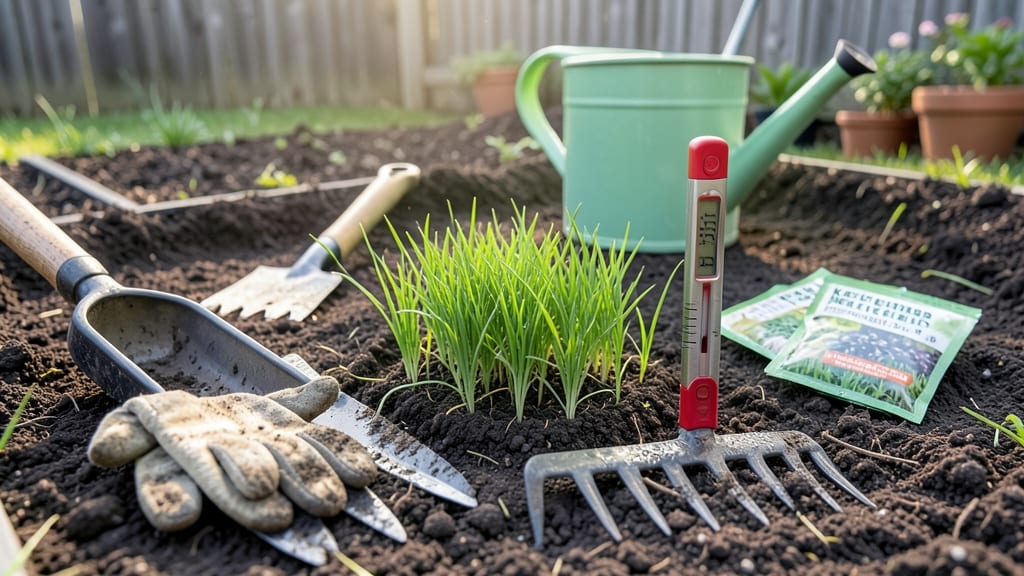
Planting your 🌱 lawn grass at the wrong time in spring can turn your dream of a lush lawn into a frustrating wait—or worse, a patchy mess. The key to success isn’t just the calendar date; it’s understanding when your soil is truly ready to support fast, healthy germination.
Most gardeners assume early spring is the best time, but cold soil can actually slow down or even kill your grass seeds.
In USDA Zone 6a, like many northern regions, the ideal window opens 4-6 weeks before your last frost date—but only if soil temperatures consistently reach 45°F and above.
I’ll show you exactly how to test your soil temperature, adjust your planting timeline for your specific climate, and use pro tricks to speed up germination.
Whether you’re dealing with unpredictable spring weather or just eager to get started, these insights will help you avoid common mistakes and get that thick, green lawn you’re dreaming of.
Let’s dive into the science and simple steps that make all the difference between a fast, vibrant lawn and a slow, disappointing start.
Ideal soil temperature ranges for planting grass seed in spring
Planting grass seed at the wrong time can leave you with patchy lawns or wasted seed. The key to success? Soil temperature. Most gardeners focus on air temperature or frost dates, but soil warmth is what truly triggers germination.
For cool-season grasses like Kentucky bluegrass or fescue, the magic number is 45°F to 55°F, while warm-season grasses like Bermuda or Zoysia need 65°F to 75°F. These ranges ensure seeds sprout quickly and establish strong roots before summer heat or winter cold sets in.
Your region matters more than you think. In northern climates (USDA Zones 3-5), soil warms slowly, so aim for late April to early May when temperatures stabilize. Meanwhile, southern climates (Zones 7-10) can plant as early as February to March, thanks to warmer soils.
Even a 5°F difference can mean the difference between fast germination and a slow, weak lawn.
Here’s the critical soil temperature guide for spring planting, broken down by grass type and region to help you time it perfectly:
| Grass Type | Optimal Soil Temp (°F) | Northern Regions (Planting Window) | Southern Regions (Planting Window) | Germination Time |
|---|---|---|---|---|
| Cool-Season (Kentucky Bluegrass, Fescue, Ryegrass) | 45°F–55°F | Late April–Early May | February–March | 7–21 days |
| Warm-Season (Bermuda, Zoysia, St. Augustine) | 65°F–75°F | Late May–June | March–April | 10–30 days |
If you’re in a transition zone (like the Midwest or Southeast), pay extra attention to nighttime temperatures. A hard frost after planting can kill young seedlings, even if daytime temps are ideal.
For example, Tall Fescue can handle cooler soils but may struggle if nights dip below 40°F. Use a row cover or wait until soil temps consistently stay above 50°F for 5+ days.
Another common mistake? Planting too early when soil is still cold and wet. Waterlogged soil can suffocate seeds, while frozen ground prevents roots from establishing. Always check 2 inches deep—this is where seeds will germinate.
If your soil feels cold to the touch or smells damp, wait a week or two. Patience now means a thicker, greener lawn later.
Pro tip: Use a soil thermometer (just $10 at garden centers) to avoid guesswork. Stick it in the ground at 2-inch depth in the morning—this is the sweet spot for accurate readings.
If temps are hovering around the lower end of your grass type’s range, hold off for 3–5 days to ensure consistency. Fluctuating temps can delay germination by up to 2 weeks.
For northern gardeners, aim to plant 4–6 weeks before your last frost date. This gives seedlings time to grow before summer heat arrives. In southern climates, plant 6–8 weeks before peak summer (usually late May) to avoid stress from high temps.
For example, in Texas or Florida, March planting is ideal for Bermuda grass, while New England gardeners should wait until late April for fescue.
Don’t forget about microclimates—shady spots or low-lying areas may stay cooler longer. Test soil temps in these zones separately. If one area of your lawn is 5°F cooler than the sunny side, delay planting there by 1–2 weeks.
A little extra planning now saves you from uneven germination and patchy lawns later.
Once you’ve nailed the soil temperature, the next step is ensuring proper seed-to-soil contact and moisture.
But first, let’s tackle the most common question: How do you actually test soil temperature? We’ll cover that in the next section—plus, I’ll share my favorite DIY tools to skip the guesswork and get your grass sprouting fast.
Ideal soil temperature ranges for planting grass seed in spring
Planting grass seed in spring isn’t just about picking a date—it’s about soil temperature. Cool-season grasses like Kentucky bluegrass and fescue thrive when soil reaches 45°F to 55°F, while warm-season types such as Bermuda or Zoysia need 65°F to 75°F.
In USDA Zone 6a, this means waiting until late March to early April for cool-season grasses, while warm-season grasses should wait until mid-to-late May.
Northern regions often face unpredictable spring weather, so rushing can lead to slow germination or seed rot. Southern climates, however, may need to delay planting until soil warms consistently. The key is patience—planting too early in cold soil can leave seeds dormant or vulnerable to frost.
Here’s how to match your grass type to the right soil temperature window for fast, even germination:
| Grass Type | Optimal Soil Temp (°F) | Northern Regions (Planting Window) | Southern Regions (Planting Window) | Germination Time |
|---|---|---|---|---|
| Cool-Season (Kentucky Bluegrass, Fescue) | 45°F–55°F | Late March–Early April | February–March | 7–21 days |
| Warm-Season (Bermuda, Zoysia, St. Augustine) | 65°F–75°F | Mid-to-Late May | April–May | 10–28 days |
If you’re in a transition zone (like Zone 7), aim for 50°F–60°F—the sweet spot where cool-season grasses won’t struggle and warm-season types aren’t stressed. Pro tip: Use a soil thermometer to confirm temps before planting, as surface temps can mislead you.
For example, in Zone 6a, planting tall fescue in early March might seem early, but if soil temps hover around 40°F, seeds could take 3+ weeks to sprout—or not at all. Wait until soil hits 48°F consistently for 72 hours to ensure success.
Regional variations matter too. In the Pacific Northwest, cool-season grasses can go in as early as February, while the Midwest may need to wait until April. Always check your local frost dates and adjust accordingly.
Once you’ve nailed the soil temperature, the next step is testing moisture and pH—but that’s a story for the next section. For now, remember: Patience beats haste when it comes to grass germination.