
Plants
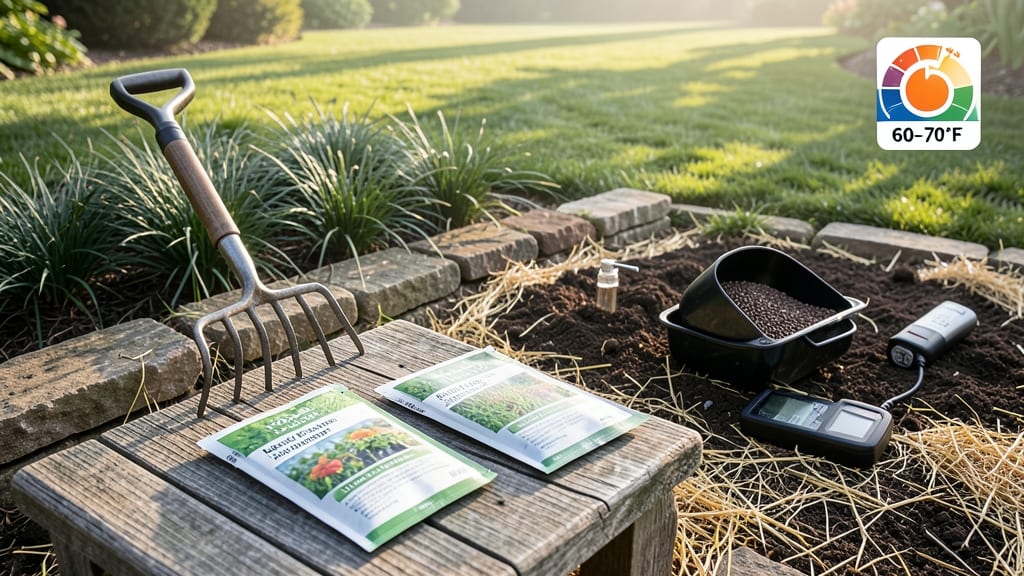
If you've ever stared at a patchy lawn in Minnesota and wondered "when can you plant grass seed in Minnesota", you're not alone.
The answer isn't just about the calendar—it's about understanding your hardiness zone, soil temperature, and even the unpredictable Minnesota weather patterns that can make or break your lawn's success.
Planting 🌱 grass at the wrong time can leave you with sparse coverage or worse—seed that simply won't germinate. But get the timing right, and you'll be rewarded with a lush, green carpet that survives brutal winters and thrives in USDA zones 3-5.
The secret lies in knowing whether to plant in early spring or late summer, when soil temperatures hit that sweet spot of 50-65°F.
In this guide, I'll break down the exact planting windows for Minnesota's northern and southern regions, so you can avoid common mistakes like planting too early (and risking frost damage) or too late (and missing the growing season).
You'll also discover which grass varieties hold up best in cold climates and how to prep your soil for maximum success.
Whether you're a first-time homeowner or a seasoned gardener, these insights will help you transform your lawn from brown patches to green perfection—without the guesswork. Let's get started.
Minnesota grass planting timeline by hardiness Zone: best months & soil temperatures
Minnesota’s USDA hardiness zones 3-5 create unique challenges for grass seed planting, with northern regions (Zone 3) facing earlier frosts than southern areas (Zone 5).
The best time to plant grass seed in Minnesota depends on balancing soil temperatures, frost risk, and your chosen grass type—whether it’s cool-season (ideal for MN) or rare warm-season varieties.
For most of Minnesota, the optimal planting window is between early April and mid-May (spring) or mid-September to early October (fall). These periods offer consistent soil temps of 50–65°F and minimize frost damage.
However, northern MN (Zone 3) gardeners should wait until after the last frost date (mid-May), while southern MN (Zone 5) can start as early as late March.
Here’s how to align your planting schedule with Minnesota’s microclimates and grass seed types for the best results:
| Zone & Location | Best Planting Months | Ideal Soil Temp (°F) | Frost Risk | Grass Type |
|---|---|---|---|---|
| Zone 3 (Northwest: Moorhead, Duluth) | Late April–May (spring) / Early Sept (fall) | 50–60°F | High (last frost: May 20–June 1) | Tall Fescue, Fine Fescue |
| Zone 4 (Central: Minneapolis, St. Cloud) | Early April–May (spring) / Mid-Sept (fall) | 50–65°F | Moderate (last frost: May 5–15) | Kentucky Bluegrass, Perennial Ryegrass |
| Zone 5 (Southeast: Rochester, Winona) | Late March–April (spring) / Late Sept (fall) | 55–65°F | Low (last frost: April 20–May 5) | Buffalo Grass, Tall Fescue |
| All Zones (Warm-season exception) | Late May–June (if planting Bermuda Grass) | 65–75°F | Low (after last frost) | Bermuda Grass (rare in MN) |
Spring planting in Minnesota offers the longest growing season before winter, but fall planting (September–October) is often preferred because cooler temps reduce weed competition and drought stress. Aim to plant 4–6 weeks before the first frost—typically mid-September for most of the state—to allow roots to establish before dormancy.
Use a soil thermometer to confirm readiness: cool-season grasses (like Kentucky Bluegrass) thrive when soil temps are 50–65°F, while warm-season grasses (like Bermuda Grass) need 65–75°F. In Minnesota, only southern zones (Zone 5) can attempt warm-season grasses, and even then, they’re risky due to early frosts.
Pro tip: Test your soil’s moisture before planting. Minnesota’s spring can bring unpredictable rainfall, so aim for consistent moisture (not soggy soil) during germination. A simple squeeze test—if soil holds shape but crumbles when pressed—is ideal. Mulch lightly with straw to retain moisture without smothering seeds.
If you’re in Zone 3 or 4, consider overseeding in early fall (late August–September) for a thicker lawn by spring. This takes advantage of cooler temps and less weed pressure, giving grass seeds a head start before winter dormancy.
Just avoid planting after Labor Day, as new growth may not harden off before frost.
For shade-prone areas, prioritize Fine Fescue or Tall Fescue, which tolerate 2–4 hours of shade daily. These varieties also handle Minnesota’s dry spells better than Kentucky Bluegrass. Pair them with proper soil prep—amending clay-heavy soils with compost or sand improves drainage and seed-to-soil contact.
Remember: Weather forecasts are your friend. Check the 7-day outlook before planting—avoid seeding if heavy rain or high winds are predicted. A light misting of seeds followed by a protective layer of straw can help them survive Minnesota’s unpredictable spring showers.
Finally, cool-season grasses (the best choice for Minnesota) grow best in full sun (6+ hours daily), but even partial shade lawns can thrive with the right variety. If your yard has patchy sunlight, mix Kentucky Bluegrass (sun-loving) with Fine Fescue (shade-tolerant) for a balanced, resilient lawn.
Critical mistakes to avoid when planting grass seed in Minnesota (and how to fix them)
Planting grass seed in Minnesota is easier when you know what pitfalls to avoid. One of the biggest mistakes is planting too early in spring when soil temperatures are still below 50°F.
Cold soil slows germination, leaving your seed vulnerable to frost and disease. I’ve seen lawns fail because the seeds simply didn’t sprout—only to realize they were planted weeks too soon.
Another common error is ignoring soil preparation. Skipping the step of tilling or removing weeds can lead to poor seed-to-soil contact, resulting in patchy growth. Even worse, planting on dry, compacted soil means your seed won’t get the moisture it needs to germinate.
Always loosen the soil and mix in a 2-3 inch layer of compost before seeding.
Here’s a quick fix: If you’ve already planted too early, cover the area with a lightweight row cover to protect seeds from late frosts. For dry soil, water deeply before planting and keep the soil moist (but not soggy) for the first 2-3 weeks.
A simple soil moisture meter can save you from over- or under-watering.
⚠️ Warning: Over-Seeding is a Trap
Many gardeners think more seed equals thicker grass, but over-seeding leads to competition for nutrients and water. Instead, follow the recommended seed rate per square foot (usually 5-10 lbs per 1,000 sqft for Minnesota). Too much seed can also attract rodents, who love to snack on your hard work!
Timing is everything, but even the best-laid plans can go wrong if you plant during extreme heat or drought. Late summer planting in Minnesota often fails because the soil is too dry, and seeds can’t establish roots before winter.
If you must plant in late summer, water deeply every 2-3 days and mulch lightly to retain moisture.
Finally, don’t forget to check your weather forecast before planting. A sudden cold snap can kill young seedlings, while prolonged rain can wash seeds away. I always plant when a 5-day forecast shows stable temperatures and minimal rain. If you’re unsure, wait—your lawn will thank you later.
By avoiding these mistakes, you’ll give your grass seed the best chance to thrive in Minnesota’s unpredictable climate. The key is patience, preparation, and paying attention to the details. With the right timing and care, you’ll have a lawn that’s the envy of the neighborhood—no guesswork required!