
Plants
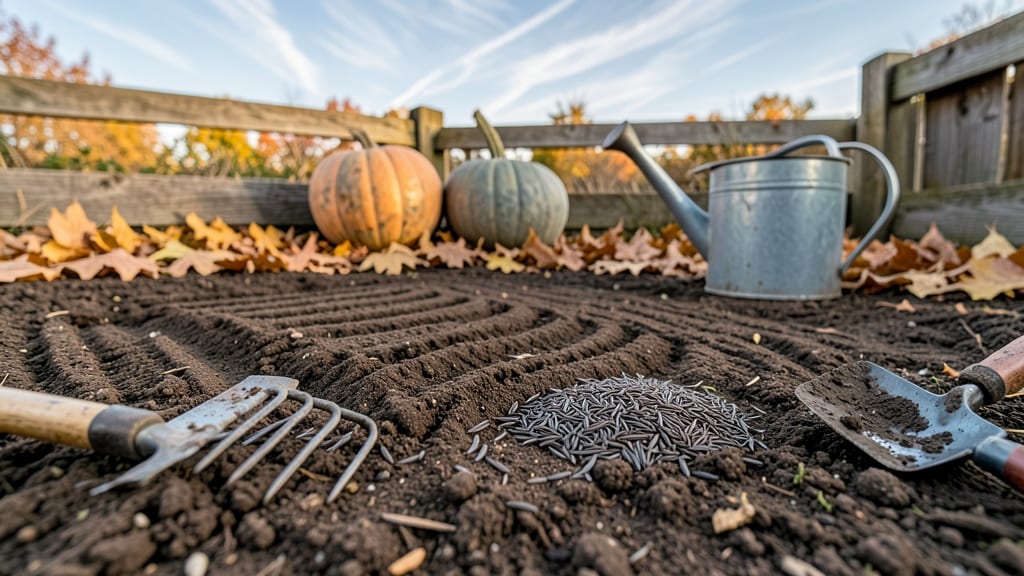
Planting grass seed in the fall is your best shot at a thick, vibrant lawn—but timing is everything. If you wait too late, frost will stall germination, and if you go too early, heat and drought can dry out your seeds before they take root.
The key lies in understanding your local climate and preparing your soil just right.
For most regions, like USDA Zone 6a, the ideal window is 4-6 weeks before your first frost—typically late September through early October. This gives your grass enough time to establish roots before winter sets in.
But what if you're in a warmer southern zone? Or dealing with unpredictable weather? Let’s break down the best strategies to ensure your lawn thrives.
You’ll also discover the top grass seed varieties for fall planting, how to check soil temperature for perfect conditions, and whether overseeding your existing lawn is the right move.
With the right approach, you can skip the spring patchwork and wake up to a lush, green lawn next year—no guesswork required.
Ready to transform your yard? Let’s dive into the exact steps, tools, and timing you need to plant grass seed in the fall like a pro. Your future lawn will thank you!
Best fall grass seed planting months by USDA climate zone
Fall is your golden window for planting grass seed because cool temperatures and frequent rainfall create perfect conditions for germination and root growth. But the exact timing depends on your USDA climate zone.
Planting too early or too late can leave your seed vulnerable to heat stress, drought, or frost. Let’s break down the best months for each zone to ensure your lawn gets a strong start before winter.
For most of the U.S., the ideal planting window is 4-6 weeks before the first frost. This gives seeds enough time to germinate and establish roots without being smothered by snow.
In warmer zones (like 9-11), you might extend planting into late fall, while cooler zones (3-5) need to plant earlier to avoid early frosts. Let’s dive into the specifics by zone to help you pick the perfect time.
| USDA Zone | Best Planting Months | Soil Temp Range (°F) | Key Considerations |
|---|---|---|---|
| 3-5 (Cold Climates) | Mid-August to early September | 50-65°F | Early frost risk; prioritize fast-germinating seeds like perennial ryegrass. |
| 6-7 (Temperate) | Late August to mid-October | 60-70°F | Balanced window; ideal for tall fescue and Kentucky bluegrass. |
| 8-9 (Warm Climates) | September to early November | 65-75°F | Longer window; avoid planting too close to winter rains. |
| 10-11 (Hot/Dry) | October to December | 60-70°F | Drought-tolerant varieties like Bermuda grass thrive here. |
If you’re in Zone 3-5, aim for late summer to early fall—think mid-August to early September. Cooler soils and shorter days mean seeds need to germinate quickly before the ground hardens.
In these zones, perennial ryegrass is your best bet because it germinates in as few as 5-10 days, giving it a head start before winter.
For Zones 6-7, the sweet spot is late August to mid-October. This window balances warm soil for germination with cooler air to slow weed growth. Tall fescue and Kentucky bluegrass are excellent choices here, as they establish deep roots before frost.
Just avoid planting if a hard freeze is forecasted within 2 weeks—seeds won’t survive.
In warmer zones (8-11), you’ve got more flexibility. Plant from September through November, but stop at least 6 weeks before your average first frost.
Southern climates often face winter rains, which can wash away newly planted seeds. If you’re overseeding an existing lawn, focus on October for the best results.
Pro tip: Check your local Almanac’s frost date and count backward 4-6 weeks. This is your target planting window. For example, if frost hits November 15, plant by October 1 to give seeds time to root.
Use a soil thermometer to confirm temperatures are between 60-75°F—this is the sweet spot for germination.
Regional quirks matter too. In the Pacific Northwest, mild winters let you plant later—sometimes into December—while the Midwest may need to rush by mid-October. Always monitor your local weather forecast for unexpected cold snaps or droughts that could delay planting.
Remember, overseeding an existing lawn follows the same rules. If you’re patching bare spots, focus on cool-season grasses like fescue or ryegrass, which handle fall planting beautifully. Just rake out debris first to expose bare soil for better seed-to-soil contact.
Timing your grass seed planting in fall isn’t just about the calendar—it’s about soil warmth, rainfall, and frost risk. Use this zone guide as your starting point, then fine-tune with local conditions.
With the right timing, you’ll wake up to a thick, green lawn next spring instead of patchy, weak grass.
How to check soil temperature and weather conditions for perfect timing
Timing your grass seed planting isn't just about the calendar—it's about soil temperature and weather patterns. Grass seeds need warm soil to germinate quickly but cool enough air to avoid stress.
The ideal soil temperature range is between 60°F and 75°F, which gives seeds the perfect balance for root growth before winter dormancy.
Many gardeners skip checking soil temperature, but this simple step can make the difference between a thick, green lawn and patchy, slow-growing grass. A soil thermometer (just $10 at garden centers) is your best tool for accuracy.
Stick it into the soil about 2 inches deep—this is where seeds will be planted—and check it in the late afternoon when temperatures peak.
If your soil is below 60°F, wait a few days or even a week. Seeds planted in cold soil won't germinate quickly, leaving them vulnerable to frost or drying out.
Conversely, if temperatures are above 75°F, you risk stressing young seedlings with heat. This is especially true in Southern climates where fall can feel more like summer.
⚠️ Callout Warning ⚠️
⚠️ Avoid Planting Too Late
If your first frost is predicted in 6 weeks or less, seeds won't have enough time to establish roots. Grass needs 4-6 weeks of warm soil before winter sets in. Check your local National Weather Service forecast for 10-day temperature trends—this will help you adjust your planting date.
In drought-prone areas, also monitor rainfall predictions. Seeds need consistent moisture to germinate, so avoid planting if dry conditions are forecasted for the next 2-3 weeks.
Don't rely solely on soil temperature—also watch for daytime highs and nighttime lows. If nights are dropping below 50°F regularly, your grass seeds may struggle to germinate. A good rule of thumb: aim for at least 10 days of warm soil before any hard frost hits.
This gives seedlings time to develop roots and survive the winter.
For overseeding existing lawns, pay extra attention to your current grass health. If your lawn is already stressed (brown patches, thin spots), wait until soil temperatures drop closer to 55°F-60°F—this prevents competition between new seeds and established grass.
Use a lawn aerator 1-2 days before planting to improve seed-to-soil contact and moisture retention.
Finally, keep an eye on humidity levels. High humidity can encourage fungal diseases in young seedlings, while low humidity may cause seeds to dry out. If your area is prone to early morning dew, plant seeds slightly deeper (¼ inch) to protect them from fungal risks.
With the right conditions, your fall-planted grass will establish strong roots and give you a head start for spring.