
Plants
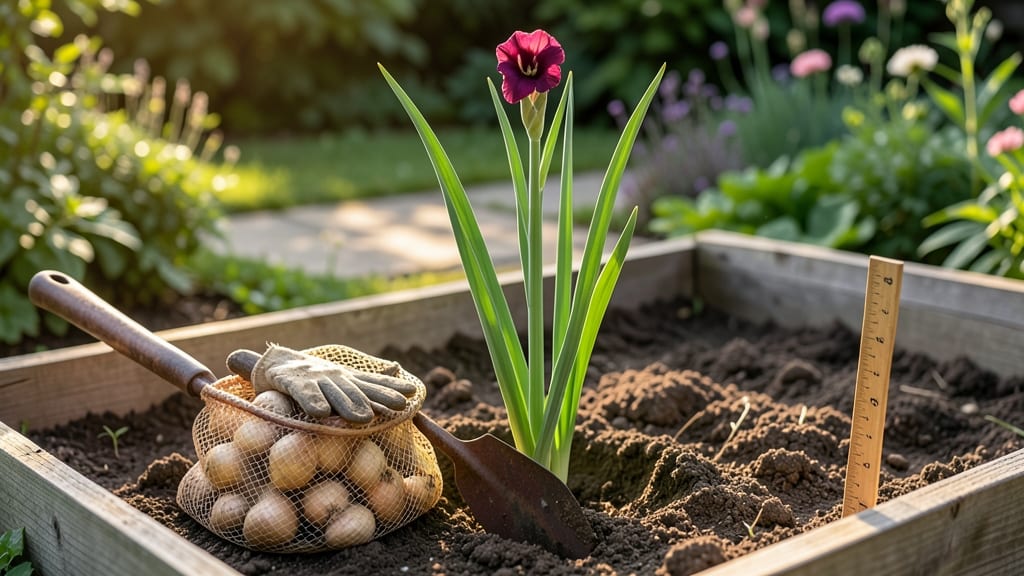
If you’ve ever watched your gladiolus bulbs 🌸 wilt after a surprise frost in Massachusetts, you know timing is everything when to plant gladiolus bulbs in Massachusetts.
Planting too early risks losing your investment to cold snaps, while waiting too long might mean missing the peak summer blooms that make your garden stand out.
Here’s the good news: with Massachusetts’ USDA Zone 5b-6b climate, you’ve got a clear window to get it right. The secret lies in waiting until late April to early May, when soil temperatures consistently stay above 55°F—the magic threshold for gladiolus success.
But what exactly does that mean for your specific corner of the state?
I’ll walk you through the exact week-by-week schedule tailored to Massachusetts, including how to prep your soil and spot the first signs of frost-free conditions. Whether you’re in Boston’s coastal zone or Worcester’s inland area, these tips will help you avoid common mistakes that lead to weak or nonexistent blooms.
By the end, you’ll know not just when to plant, but also how to give your gladiolus the care they need to thrive—so you can enjoy tall, vibrant blooms from July to September without the guesswork. Let’s get those bulbs in the ground the right way.
Massachusetts gladiolus planting calendar: exact weeks to avoid frost damage
Massachusetts’ USDA Zones 5b-6b mean gladiolus bulbs must wait for soil temperatures above 60°F—typically after mid-April. But don’t rush! Planting too early risks frost heave or rot, while waiting too long shortens your summer bloom season. Here’s your region-specific timeline for Boston, Worcester, and Springfield.
For Boston (Zone 6a), aim for April 25–May 10—after the average last frost date. In Worcester (Zone 5b), wait until May 1–May 15 due to colder microclimates. Springfield (Zone 6b) gardeners can start slightly earlier, around April 20–May 5.
Always check your local Almanac last frost tracker for real-time updates.
🌱
| Region | Last Frost Date | Ideal Planting Window | Soil Temp Threshold |
|---|---|---|---|
| Boston (Zone 6a) | April 15 | April 25–May 10 | 60°F+ |
| Worcester (Zone 5b) | May 1 | May 1–May 15 | 60°F+ |
| Springfield (Zone 6b) | April 20 | April 20–May 5 | 60°F+ |
Use a soil thermometer to confirm readiness—gladiolus corms need warm soil to sprout. If temperatures dip below 50°F, cover newly planted bulbs with straw mulch (2–3 inches) to protect them until the ground warms. This simple step can extend your planting window by 1–2 weeks without risk.
For extended-season blooms, stagger plantings every 2 weeks from late April through early June. Early varieties like ‘Picasso’ (pink) bloom in 90 days, while late bloomers like ‘Green Star’ (white-green) take 120 days. This strategy ensures continuous color from July to September.
Pro tip: Plant dwarf varieties (1.5–2.5 ft) first—they’re less affected by late frosts. Save tall varieties (4–5 ft) for after May 1, when frost risk is minimal. Use black plastic mulch to warm soil faster if you’re eager to plant early.
✂️
If you miss the ideal window, don’t panic! Gladiolus can handle light frosts after sprouting, but avoid planting when nighttime temps drop below 40°F. For late plantings, choose early-blooming varieties or use a cold frame to accelerate growth.
Just remember: every week delayed reduces your bloom time by 7–10 days.
For container gardening, start bulbs indoors in late March under grow lights. Transplant outdoors after the last frost, but expect smaller blooms due to root competition. Always use well-draining pots to prevent rot—a common issue in MA’s humid summers.
🌿
Track your progress with a planting journal. Note soil temps, bloom dates, and any pest pressure (thrips love gladiolus!). In Massachusetts, June is peak thrip season, so monitor undersides of leaves. A neem oil spray applied in early June can prevent infestations before they start.
5 Critical factors that determine your gladiolus planting window in MA
While the week-by-week calendar gives you a solid starting point, Massachusetts’ variable microclimates and soil conditions mean you’ll need to fine-tune your timing. Five key factors will help you decide the perfect moment to plant gladiolus bulbs in your specific backyard.
Ignoring these could mean weak growth or missed blooms—so let’s break them down.
First, soil temperature is your most critical guide. Gladiolus corms need soil that’s consistently 55°F or warmer to sprout successfully.
In Massachusetts, this typically happens by late April to early May, but if you’re in a cooler inland area like Worcester or Springfield, you might need to wait until mid-May. Use a soil thermometer to check—planting too soon in cold soil leads to rot.
Next, consider the size of your gladiolus corms. Larger corms (over 2 inches in diameter) have more energy reserves and can handle slightly cooler soil, giving you a 1-2 week earlier planting window.
Smaller corms need warmer soil, so hold off until you’re confident the frost risk has passed. This is especially important for early blooming varieties like ‘Green Star’ or ‘Picasso,’ which need every advantage to reach their peak by July.
🌱 5 Critical Factors for MA Gladiolus Planting
- 1. Soil Temperature: Wait until soil reaches 55°F+ (use a thermometer!)
- 2. Corm Size: Larger corms (>2") can plant 1-2 weeks earlier
- 3. Variety Type: Early bloomers need warmer soil than late varieties
- 4. Microclimate: Coastal areas (Boston) plant earlier than inland zones
- 5. Frost Risk: Check local frost forecasts for your specific town
Your choice of gladiolus variety also affects timing. Early bloomers like ‘Attraction’ or ‘Black Star’ need to be planted 4-6 weeks before your last frost date to ensure they bloom by mid-summer. Late varieties like ‘White Friendship’ can wait until early May and still produce stunning fall blooms.
Pro tip: Check the days to maturity on your seed packet—this tells you exactly how long your plant needs to bloom after sprouting.
Don’t overlook your local microclimate. Coastal areas like Boston or Cape Cod experience milder winters and can plant gladiolus bulbs as early as late March to April, while inland cities like Worcester or Springfield often need to wait until mid-May.
Even within a city, a south-facing slope warms up faster than a north-facing yard. Use these microclimate differences to your advantage—plant earlier in sunny spots and later in shadier or cooler areas.
Finally, protecting your corms from late frosts can extend your planting window. If you’re eager to plant early, use row covers or cold frames to shield young shoots. These simple tools can add 2-3 weeks to your safe planting window, especially helpful if you’re growing early blooming varieties. Just