
Plants
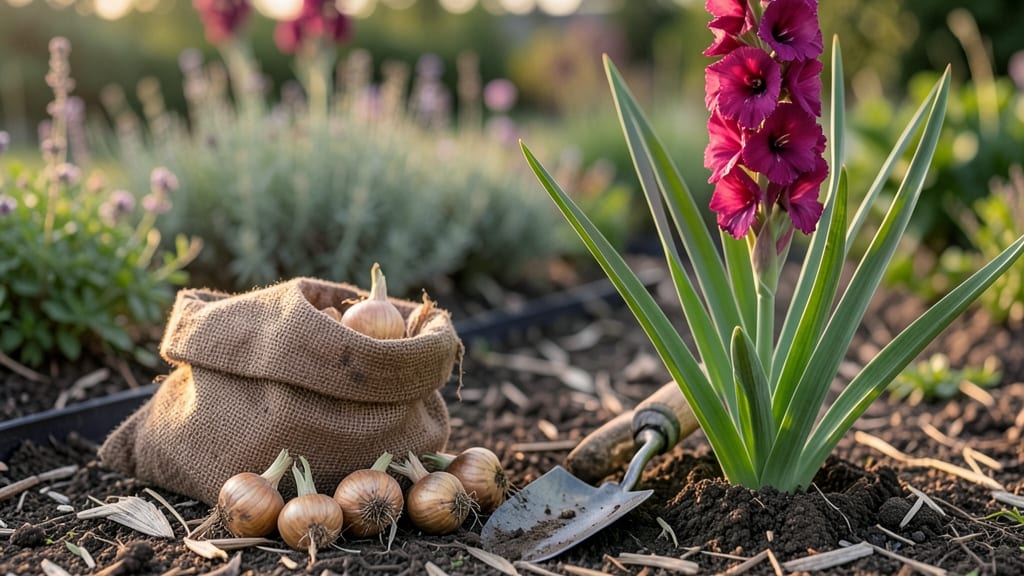
Timing your gladiolus bulb planting in North Carolina can mean the difference between a showstopping summer garden and a sad, wilted disappointment. These 🌸 beauties thrive in NC’s warm climate, but getting them in the ground at the wrong time risks rot or missed blooms—both gardeners’ worst nightmares.
Most gardeners in zones 6b-8a wait until after the last frost date (usually around mid-April), but there’s actually a 4-8 week window before that critical date where planting works best.
This timing ensures roots establish before summer heat hits, giving you those towering 3-5 foot stems packed with vibrant blooms by late summer.
I’ve learned the hard way that rushing the process—planting too early when soils are still damp or too late when heat arrives—can stress your bulbs.
The key is balancing soil warmth with moisture, which is why I’ll walk you through the exact weeks to plant based on your NC region, plus pro tips to keep your gladiolus thriving through our humid summers.
Ready to transform your garden? Let’s dive into the perfect planting schedule, soil prep secrets, and care routines that’ll have your neighbors asking, “What’s your gladiolus secret?”
NC gladiolus planting calendar: exact weeks before last frost by region
North Carolina’s USDA zones 6b-8a mean your gladiolus planting window shifts slightly depending on whether you’re in the coastal plains or mountain regions. The golden rule? Plant 4-8 weeks before your last frost date, typically between mid-April and mid-June.
Coastal areas like Wilmington can start earlier, while Asheville’s cooler climate may need to wait until late May.
To pinpoint your exact timing, check your average last frost date—most of NC experiences it around March 15, but mountain zones can delay until April 15.
For example, in Raleigh (zone 7b), aim for April 15-May 1 planting, while Charlotte (zone 8a) can start as early as March 25.
Gladiolus bulbs (corms) thrive in well-draining soil with 6+ hours of sunlight daily. NC’s clay-heavy soils often need amending with compost or sand to prevent rot. Test your soil’s drainage by digging a 6-inch hole—if water pools after 30 minutes, improve drainage before planting.
Here’s your region-specific planting schedule for bold gladiolus blooms all summer:
For continuous blooms, stagger plantings every 2-3 weeks—start with early varieties like 'White Prosperity' in April, then add 'Pink Parfait' in May. This ensures flowers from June through October, even in NC’s humid heat.
After planting, water deeply once weekly to encourage root growth. Mulch with 2-3 inches of straw to retain moisture and regulate soil temperature. In zone 8a, you can even try fall planting for winter color—just plant 8-10 weeks before first frost (around September 15).
Gladiolus bulbs need full sun to thrive, but NC’s summer heat can stress them. If your garden gets afternoon shade, opt for morning sun exposure instead. Varieties like 'Black Pearl' handle heat better than delicate whites.
Remember: Corms multiply each year! Dig up and divide overcrowded clumps every 3-4 years in late fall (after foliage dies back) to maintain vigorous blooms. Store them in a cool, dry place until next spring’s planting.
With this region-tailored schedule, your gladiolus will reward you with show-stopping spikes from summer through fall—just in time for NC’s autumn festivals! 🌸
NC gladiolus planting calendar: exact weeks before last frost by region
North Carolina’s USDA zones 6b-8a create a unique challenge for gladiolus planting—too early, and your bulbs rot in cold, wet soil; too late, and summer heat stunts growth.
The ideal window is 4-8 weeks before your last frost date, which varies dramatically from the coastal plains to the mountains. For most gardeners, that means planting between mid-April and early June, but let’s break it down by region.
Your last frost date is the critical marker. In zone 7b (central NC), this typically falls around March 15-30, while zone 6b (mountains) may see frost as late as April 15.
Coastal areas in zone 8a often warm up by March 1-15. Count backward 6 weeks from your area’s last frost date—that’s your planting window.
Here’s how to align your planting with NC’s microclimates for maximum success:
| NC Region | USDA Zone | Last Frost Date | Planting Window | Soil Prep Tip |
|---|---|---|---|---|
| Coastal Plains | 8a | March 1-15 | April 15-May 1 | Amend sandy soil with compost |
| Piedmont | 7b | March 15-30 | April 1-May 15 | Break up clay with gypsum |
| Mountains | 6b | April 1-15 | May 1-June 1 | Use raised beds for drainage |
For coastal gardeners in zone 8a, aim to plant by May 1 to avoid summer heat stress.
In the Piedmont, where soils stay moist longer, start planting by April 15 to prevent rot. Mountain gardeners in zone 6b can push planting to early June—just be ready to mulch heavily once blooms appear.
Pro tip: Test your soil’s drainage before planting. Gladiolus bulbs hate soggy soil. Dig a hole, fill it with water, and time how long it takes to drain.
If it’s still wet after 4 hours, amend with perlite or sand to improve drainage. This is especially critical in NC’s clay-heavy soils.
Once planted, maintain 1-2 inches of mulch around bulbs to retain moisture and regulate soil temperature. In zone 8a, you can even experiment with fall planting (September-October) for late-winter blooms—just cover with straw when frost threatens.
The key is getting those bulbs in the ground when soil temps hit 60°F+.