
Plants
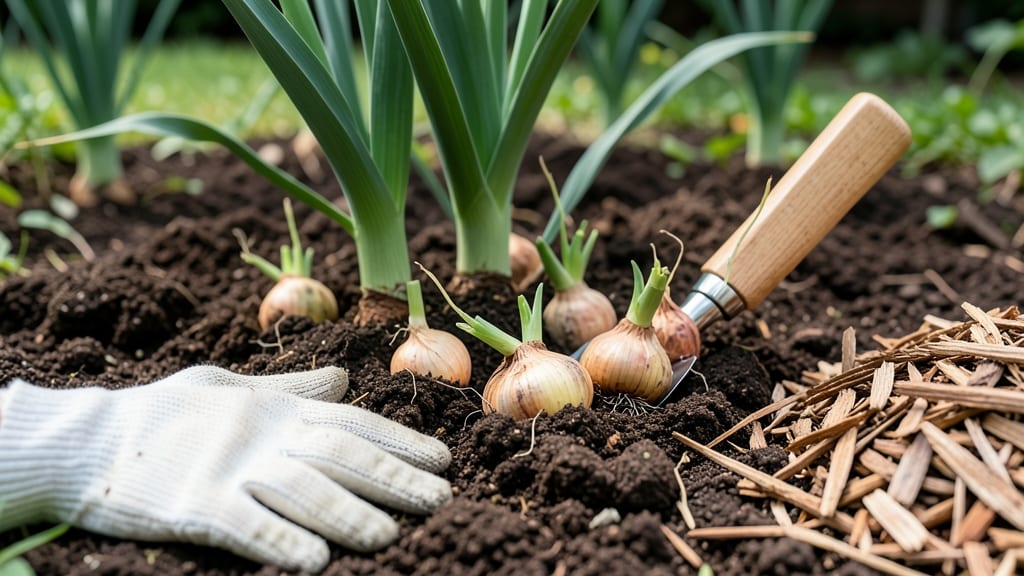
If you’ve ever dreamed of a Wisconsin garden bursting with stunning summer blooms—think bold 🌸 gladiolus spikes reaching toward the sky—knowing when to plant gladiolus bulbs in Wisconsin is the first step to success.
Plant those bulbs too early, and frost will turn your hard work to mush. Too late, and you’ll miss the show-stopping flowers that make your neighbors do a double-take.
Here’s the secret: Wisconsin’s USDA Zones 4b-6a demand precision, and the 2-3 week window after your last frost date (usually mid-April to mid-June) is your golden opportunity.
Whether you’re in Milwaukee or the Northwoods, getting those corms in the ground at the right time means the difference between dramatic summer color and a sad, stunted patch of dirt.
I’ve spent years perfecting the timing—and trust me, there’s a method to the madness. You’ll learn exactly when to dig, how deep to bury those bulbs, and why soil warmth matters more than you think.
Plus, I’ll share my top tips for keeping your gladiolus thriving once they’re planted, so you’re not left scrambling when those first shoots pop up.
Ready to transform your garden into a summer spectacle? Let’s dive into the frost-free timeline that’ll have your gladiolus blooming like never before—and keep them looking their best until September.
Wisconsin’s frost-free timeline: exact weeks to plant gladiolus bulbs
Gladiolus bulbs thrive in Wisconsin’s USDA Zones 4b-6a, but their planting window hinges on two critical factors: your last frost date and soil temperature.
In most of Wisconsin, the ideal planting window spans from mid-April to mid-June, but timing varies by region—southern Wisconsin (like Madison) can plant 2-3 weeks earlier than northern areas (like Duluth).
Gladiolus corms need soil temperatures above 60°F to sprout successfully. If you plant too soon, frost damage or rot will kill your bulbs. Conversely, planting too late risks stunted blooms or no flowers at all.
The sweet spot? Aim for 2-3 weeks after your last frost date, when soil is consistently warm.
Here’s how to pinpoint your exact planting window using Wisconsin’s average last frost dates:
| Region | Last Frost Date | Ideal Planting Window | Soil Temp Check |
|---|---|---|---|
| Southern WI (Milwaukee, Madison) | Mid-April | Late April to early May | 60°F+ for 3+ days |
| Central WI (Green Bay, Wausau) | Early May | Late May | 60°F+ for 5+ days |
| Northern WI (Duluth, Superior) | Mid-May | Early to mid-June | 60°F+ for 7+ days |
*Check your local Almanac or Wisconsin State Climatology Office for precise dates.
For peak blooms, plant gladiolus bulbs by late May to early June. This ensures flowers appear in July and August, when Wisconsin’s summer heat helps them thrive.
If you’re in Zone 5 or 6, you can even squeeze in a second planting in early June for late-summer blooms.
Pro tip: Use a soil thermometer to confirm warmth. Gladiolus corms won’t sprout until soil hits 60°F. In cooler years, wait until late May—even if it means missing the earliest blooms. Patience pays off with healthier plants and bigger flowers.
Once you’ve nailed the timing, focus on well-draining soil and a sunny spot. Gladiolus bulbs planted at the right time in Wisconsin will reward you with stunning 3-5 foot spikes of color from July through September. Just remember: no frost = no stress for your corms!
If you’re unsure about your exact last frost date, err on the side of caution. Planting 2-3 weeks late is better than risking frost damage. You can always extend the season by choosing early-blooming varieties like ‘Picasso’ or ‘Green Star’ for faster color.
For gardeners in northern Wisconsin, consider starting gladiolus bulbs indoors in March under grow lights. This gives you a 4-6 week head start before transplanting outdoors after the last frost. Just be sure to harden off seedlings for a week before moving them to the garden.
Finally, mark your calendar for October 15th, Wisconsin’s average first frost date.
This is when you’ll need to dig up and store gladiolus corms (or cut back foliage) to protect them from winter cold. Gladiolus are not hardy perennials in Wisconsin—treat them as annuals or dig and store corms each fall.
5 Critical factors that determine your gladiolus planting success in Wisconsin
In Wisconsin’s variable climate, getting your gladiolus bulbs in the ground at the right time is only half the battle. The soil conditions, sun exposure, and even how deep you plant them can make or break your blooms.
Let’s break down the 5 critical factors that ensure your gladiolus thrive from corm to showstopper.
First, soil temperature is non-negotiable. Gladiolus corms need soil at least 60°F to sprout—any cooler, and they’ll rot. Use a soil thermometer to check before planting.
In Wisconsin, this usually aligns with late May in the north and early May in the south. Well-draining soil is equally important—gladiolus hate soggy roots, so amend heavy clay with compost or sand if needed.
- 🌡️ Soil Temperature: Wait until soil reaches 60°F+ (use a thermometer!)
- ☀️ Sun Exposure: 6+ hours of full sun daily—no compromises!
- 📏 Planting Depth: 4-6 inches deep with pointed end up (trust me, it matters!)
- 📐 Spacing: 6-8 inches apart to prevent crowding and disease
- 🌿 Companion Plants: Pair with marigolds or basil to deter pests
Next up: planting depth. Dig a hole 4-6 inches deep, with the pointed end of the corm facing up. If you bury them too shallow, they’ll flop; too deep, and they’ll struggle to emerge.
Pro tip: Add a handful of bone meal to the hole for a phosphorus boost—this encourages strong root growth and vibrant blooms.
Don’t overlook spacing. Plant gladiolus 6-8 inches apart in rows 12-18 inches apart to allow airflow and easy access for staking. In Wisconsin’s humid summers, crowded plants invite fungal diseases like botrytis.
If you’re short on space, opt for dwarf varieties like ‘Picasso’ or ‘Black Pearl’—they top out at 2-3 feet but still pack a punch.
Finally, companion planting can work wonders. Gladiolus pair beautifully with marigolds (which repel pests) or basil (which deters thrips). Avoid planting near tomatoes or potatoes, though—they compete for nutrients and attract similar pests.
For container gardening, use large pots with well-draining mix and plant 3-5 corms per container.
Remember: Gladiolus are not hardy perennials in Wisconsin’s cold winters. After the first frost in October, dig up the corms, let them dry, and store them in a cool, dark place until next spring.
With these factors nailed down, you’ll be cutting showy blooms for cut arrangements by July—just in time for summer weddings and porch displays!