
Plants
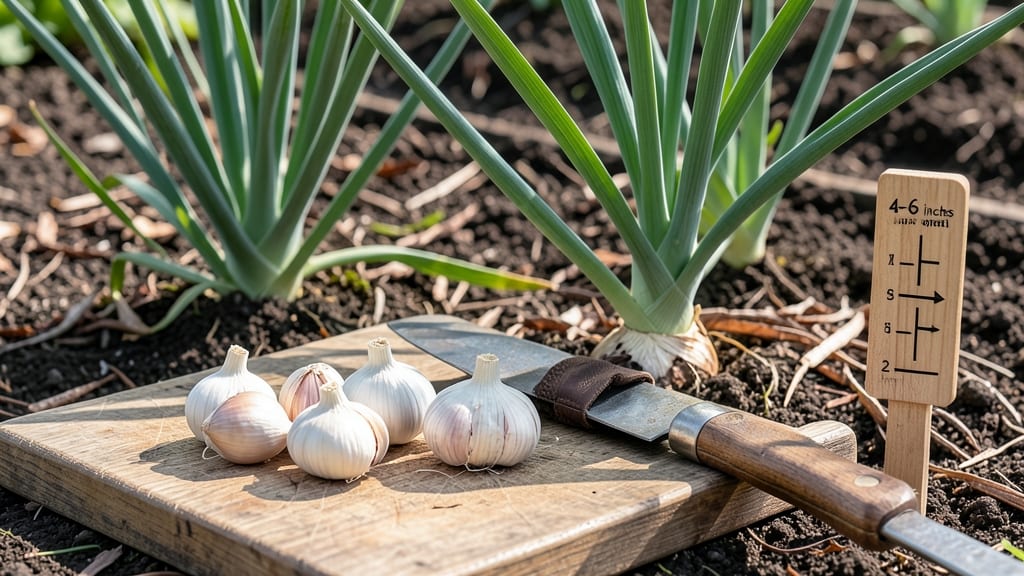
Knowing when to plant garlic in Zone 8b isn’t just about picking a random fall month—it’s about timing it perfectly to avoid rot and maximize those plump, flavorful bulbs.
With Zone 8b’s mild winters, you’ve got a narrow window (just 4-6 weeks) to get it right before the first frost hits in mid-January.
Most gardeners in your area swear by planting 🧄 in October or early November, but there’s more to it than just the calendar. Hardneck varieties, which are the star of your harvest, need cold exposure to form bulbs—but not so cold that they freeze before they’re ready.
We’ll break down exactly how to read your soil and climate cues to nail the timing every time.
Why does this matter? Because planting too early means your cloves might sprout and get fried by summer heat, while planting too late risks them rotting before they bulb.
I’ll show you how to adjust for your specific microclimate, whether you’re dealing with early freezes, late frosts, or those pesky Zone 8b weather whiplash moments.
Once you’ve got the timing down, we’ll cover everything else—from soil prep to spacing tricks—that turns your garlic into the showstopper crop of your garden. Let’s get those cloves in the ground the right way.
Exact weeks before frost to plant garlic in Zone 8b for maximum yield
In Zone 8b, where winters are mild but still bring occasional frosts, planting garlic at the right time is everything. Unlike colder zones, you don’t have a long window—miss the mark, and your cloves may sprout too early or rot before forming bulbs.
The ideal window is 8-12 weeks before your first hard frost, which for Zone 8b typically lands in mid-October to early November. This timing ensures garlic establishes roots before winter dormancy while avoiding the heat of late summer.
Why this window? Garlic needs cool fall temperatures (40-50°F) to trigger bulb formation, but it can’t handle freezing soil. Zone 8b’s average first frost is around January 15, so count backward: plant in October for hardneck varieties (best for flavor) or early November for softneck (better storage).
Adjust if your area has warmer microclimates—coastal Zone 8b may need planting 2 weeks later.
| Planting Window (Zone 8b) | Hardneck Varieties (Best for Bulbs) | Softneck Varieties (Storage Focus) | Soil Temp Requirement (°F) | Key Adjustments for Weather |
|---|---|---|---|---|
| Mid-October to early November | Music, German White, Silverskin | Artichoke, California Early | 40-50°F (for root growth) | Plant 2 weeks later in coastal areas |
| Late October (emergency) | Creole, Purple Stripe | Silverban | Above 60°F (risk of rot) | Use shade cloth if planting late |
| Avoid after November 15 | All hardnecks | All softnecks | Below 32°F (dormancy risk) | Mulch heavily for winter protection |
For hardneck varieties, which produce scape shoots and larger bulbs, aim for planting by October 15.
These need cold stratification to form bulbs, so don’t delay. Softneck garlic, like the kind you’d buy in stores, is more forgiving—plant it up to early November—but it won’t yield as large bulbs.
Pro tip: If your Zone 8b winters are unusually mild (like 2023’s warm spell), plant 2 weeks earlier to avoid premature sprouting in warm soil.
Soil temperature is your secret weapon. Use a soil thermometer to confirm temps are below 60°F before planting.
If your soil runs hotter than 70°F (common in inland Zone 8b), wait until late October or use shade cloth to cool the bed. Cold soil (below 40°F) will stunt root growth, so avoid planting if a hard freeze is forecasted within 2 weeks.
Check your local Cooperative Extension Service for microclimate adjustments—some areas may need planting as early as September.
Zone 8b’s mild winters can trick growers into thinking garlic is low-maintenance, but mulching is non-negotiable. Apply 4-6 inches of straw or leaves after planting to insulate bulbs from temperature swings and prevent heaving (when soil freezes and pushes plants out).
Remove mulch in early spring to let soil warm for regrowth. Over-mulching can cause rot, so monitor moisture—garlic should stay dormant but not soggy through winter.
What if you miss the window? Don’t panic—you can still plant garlic in Zone 8b as late as December, but yields will suffer. Late plantings may produce smaller bulbs or no scapes (for hardnecks).
For a second harvest, try spring planting (February-March) for green garlic, though bulbs won’t form. The key is soil prep: amend beds with compost and sulfur (to lower pH to 6.0-7.0) before planting, regardless of timing.
To track your local frost dates, use the Old Farmer’s Almanac or your smartphone’s weather app for 10-day forecasts. In Zone 8b, light frosts (28-32°F) are harmless, but hard frosts (below 28°F) can damage emerging shoots.
If a late freeze hits after planting, cover beds with row fabric until temps rise. Adjust your
How to prepare garlic cloves for Zone 8b planting: size, spacing, and soil secrets
Selecting the right garlic cloves and preparing your Zone 8b soil makes or breaks your harvest. Unlike store-bought garlic, which is treated to prevent sprouting, you’ll need organic, untreated bulbs from a nursery or trusted grower.
Look for plump, firm cloves—avoid any that feel soft or shriveled, as these won’t thrive.
Break bulbs into individual cloves just before planting, and discard the largest cloves (over 1.5 inches). These giants rot before forming bulbs, while medium-sized cloves (1-1.25 inches) produce the best yields. Save the smallest cloves for next year’s planting stock—they’ll grow into full bulbs over time.
- Avoid cloves larger than 1.5"—they’ll rot before bulbing.
- Never use store-bought garlic (treated to prevent sprouting).
- Zone 8b’s mild winters need 4-6" of mulch to prevent heaving.
Your Zone 8b soil should be well-draining and amended with compost or aged manure to improve fertility. Garlic prefers a slightly acidic to neutral pH (6.0-7.0), so test your soil and add elemental sulfur if needed.
Work in 2-3 inches of compost into the top 6 inches of soil to encourage strong root development.
Plant cloves 4-6 inches apart in rows spaced 12-18 inches apart. This spacing allows for proper airflow and reduces disease risk. In Zone 8b, where winters are mild but can still dip below freezing, mulch heavily with straw or leaves (4-6 inches) after planting.
This protects cloves from temperature fluctuations and keeps soil moisture consistent.
For extra insurance, consider planting in raised beds or on sloped ground to improve drainage. Zone 8b’s occasional winter rains can cause cloves to rot if water pools around them. If your soil is clay-heavy, mix in sand or perlite to prevent compaction.
Once planted, water deeply but infrequently—garlic needs 1 inch of water per week during dormancy. In Zone 8b, this usually means watering every 10-14 days unless you’re experiencing a dry spell. Overwatering in winter can lead to rot or fungal diseases, so always check soil moisture before watering.
With the right clove prep and soil conditions, your Zone 8b garlic will establish strong roots before winter, setting the stage for a bountiful summer harvest. 🌱